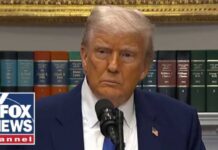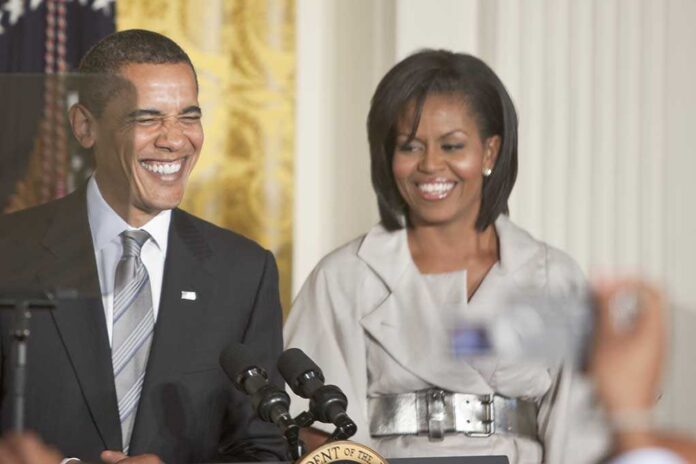
The gloves are off as Tulsi Gabbard, now the Director of National Intelligence, accuses Obama-era officials of orchestrating a coup against Donald Trump.
At a Glance
- Tulsi Gabbard, DNI, releases documents accusing Obama officials of undermining Trump.
- Gabbard labels the actions of these officials as a “years-long coup.”
- The DOJ is reviewing documents for potential legal action.
- Political and public reactions are sharply divided.
Gabbard’s Explosive Accusations
In a bold and unapologetic move, Tulsi Gabbard has rocked the corridors of power by releasing thousands of documents. These documents allegedly reveal a coordinated effort by Obama-era officials to sabotage Donald Trump’s presidency from the very beginning. Gabbard has characterized these actions as a “years-long coup,” a claim that has ignited fierce debate across the nation.
The released documents, now in the hands of the Department of Justice, suggest that intelligence assessments were deliberately manipulated. The allegations point to an attempt to fabricate a narrative of Russian interference in favor of Trump during the 2016 election. This disclosure is seen as a significant development in an ongoing saga that has polarized the country for nearly a decade.
The Obama Administration’s Legacy Under Fire
The Obama administration, often heralded by the left as a beacon of progressivism, now finds itself under intense scrutiny. Former officials, including James Clapper, John Brennan, and Susan Rice, are at the center of these damning allegations. These individuals are accused of abusing their power and enacting a policy of deceit to undermine a legitimate election result.
Critics of Gabbard’s actions have dismissed these claims as politically motivated, arguing that the accusations are part of a broader attempt to rewrite history and settle political scores. Legal experts caution that while the documents are politically explosive, they may not provide sufficient evidence to meet the legal threshold for prosecution.
The Political and Social Fallout
The fallout from these revelations is significant. The political landscape is more divided than ever, as supporters of Gabbard’s actions see this as a necessary step toward accountability and transparency. Meanwhile, detractors argue that this is an attempt to politicize intelligence for partisan gain. The public is left grappling with a renewed sense of distrust in government institutions, which only serves to deepen existing divides.
Beyond the immediate political ramifications, the broader implications for the Intelligence Community are profound. The sector is already grappling with challenges related to transparency, oversight, and the potential politicization of intelligence. These new disclosures only add fuel to an already raging fire, with calls for reform growing louder each day.
The Road Ahead
The Department of Justice is currently reviewing the newly released documents, and legal actions against former officials are reportedly under consideration. Congressional hearings are expected to continue, with media coverage intensifying the public discourse. The next steps in this saga will likely be determined by the DOJ’s findings and subsequent actions.
As the nation watches, the stakes are high. The outcome of these proceedings could reshape the legacy of both the Obama and Trump administrations, impact future intelligence practices, and influence the political climate for years to come. In the court of public opinion, the battle lines are drawn, and the fight for truth and accountability rages on.