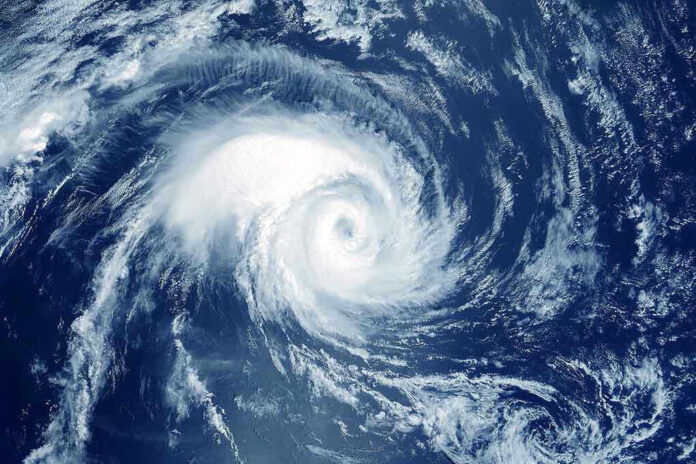
Jamaica’s struggle against Hurricane Melissa reveals how nature’s fury can unravel modern life, strand thousands, and unleash dangers no one saw coming.
Story Highlights
- Melissa hit Jamaica as a Category 5 hurricane with 185 mph winds, the most powerful storm in the island’s recorded history.
- Over 25,000 tourists are stranded, facing collapsed infrastructure and overwhelmed emergency services.
- Authorities warn residents about crocodiles in flooded areas, adding wildlife threats to the crisis.
- Jamaica’s recovery will require months, with long-term economic and social consequences looming.
Melissa’s Unprecedented Assault on Jamaica’s Coast
October 28, 2025, will be seared into the memory of Jamaicans as the day Hurricane Melissa made landfall in New Hope, bringing sustained winds of 185 mph and a deluge that overwhelmed rivers and towns. The hurricane’s eye missed Kingston, sparing the capital from the worst, but the rest of the island did not escape. Floodwaters surged through neighborhoods and rural villages, displacing residents and forcing families to flee to higher ground. The scale and speed of destruction left thousands with just the clothes on their backs.
Melissa’s record-breaking intensity shattered previous benchmarks, eclipsing hurricanes Gilbert and Ivan, which had tormented Jamaica in decades past. The collapse of bridges and roads cut off communities, while the roar of the wind drowned out emergency sirens. Even seasoned meteorologists admitted they had rarely seen such rapid intensification in Caribbean storms, raising alarm that climate change may be fueling more violent hurricanes. The government’s warning system, though activated, struggled to keep pace with the storm’s sudden escalation, leaving little time for evacuation.
Tourists Trapped, Infrastructure in Ruins
With power out for hundreds of thousands and communication lines down, an estimated 25,000 tourists found themselves stranded. Hotels became impromptu shelters, airlines canceled flights, and consulates scrambled to locate and assist their citizens. The tourism sector, vital to Jamaica’s economy, faced a logistical nightmare: how to care for guests, manage safety, and begin repatriation amid chaos. For many, vacation transformed into survival as food and water supplies dwindled and transport options vanished.
The island’s aging infrastructure revealed its vulnerabilities as roads washed away and bridges collapsed. Emergency responders prioritized search and rescue, but access to remote areas was limited. Reports of people stuck on roofs, waiting for helicopters or boats, illustrated the scale of the crisis. The immediate aftermath brought scenes reminiscent of past Caribbean disasters, but the sheer number of stranded visitors set Melissa apart. International aid offers poured in, but the logistics of delivery posed new hurdles.
Unexpected Dangers: Crocodiles in the Floodwaters
In a twist few anticipated, Jamaican officials warned residents to beware of crocodiles in the surging floodwaters. These usually reclusive reptiles found new territory in inundated towns and fields, adding to the dangers faced by those wading through chest-high water. Past hurricanes had never prompted such wildlife warnings, underscoring the unique perils of Melissa. For rescue teams and displaced families, the threat of crocodile encounters became yet another challenge layered atop disease risk, debris, and instability.
Health officials shifted focus to preventing waterborne disease outbreaks, knowing that contamination and stagnant water could quickly become lethal. The intersection of natural disaster and wildlife hazard prompted global media attention, amplifying calls for international support. While the government urged citizens to stay clear of flooded areas, the reality for many was a daily struggle to find shelter, food, and safety from both human and animal threats.
Aftermath and the Road to Recovery
As October turned to November, Jamaica’s leaders faced mounting pressure to restore order and begin the long recovery. The Prime Minister and disaster management teams coordinated with UN agencies and neighboring countries to send supplies, medical aid, and rescue personnel. Rebuilding would require months, if not years, and the economic toll threatens to derail Jamaica’s progress. Small businesses, especially in tourism and agriculture, face uncertain futures as damage assessments continue.
Experts warn that Melissa could mark a turning point, forcing Caribbean nations to rethink disaster preparedness and climate resilience. Calls for stronger infrastructure, improved early warning systems, and international cooperation grow louder. For the thousands displaced, the trauma of lost homes and livelihoods will linger long after the floodwaters recede. The world watches as Jamaica confronts the reality that the age of superstorms has arrived—and that adaptation is not a choice, but a necessity.
Sources:
Hurricane Melissa kills over 30 in the Caribbean as it heads toward the Bahamas