
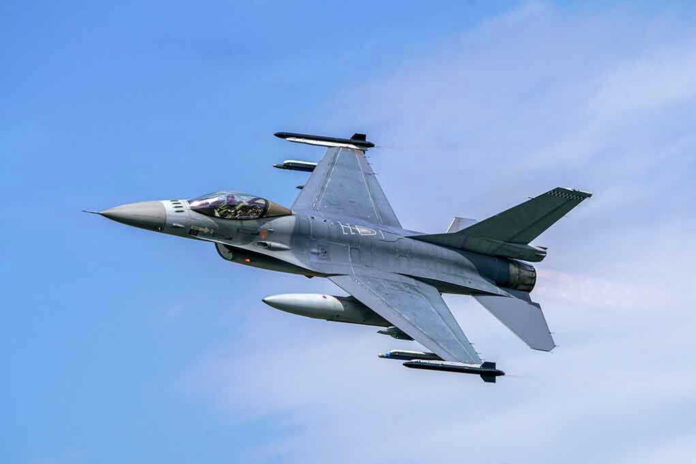
A dramatic claim that Trump has shut down Venezuelan airspace “in its entirety” is spreading across social media, but the story reveals troubling gaps between sensational headlines and verifiable facts.
Story Snapshot
- Multiple YouTube videos and social media posts claim Trump closed Venezuelan airspace completely
- No official U.S. government confirmation has been found in reliable sources
- The claim represents a significant escalation beyond previous Venezuela sanctions
- Venezuelan government has reportedly rejected Trump’s airspace closure claims
- Story requires immediate verification before acceptance as established fact
The Unverified Claim Spreads Rapidly
Social media platforms are buzzing with videos and posts claiming Trump has declared Venezuelan airspace closed “in its entirety.” The dramatic language suggests an unprecedented escalation in U.S.-Venezuela relations, yet major news outlets and official government sources remain conspicuously silent on what would be a massive geopolitical development.
The absence of confirmation from the White House, State Department, or Federal Aviation Administration raises immediate red flags. When a sitting president allegedly makes such a consequential decision affecting international aviation and sovereignty, official documentation typically follows within hours.
Venezuela’s Government Pushes Back
According to PBS NewsHour, Maduro’s government has rejected Trump’s claim of closing Venezuelan airspace. This response suggests either the claim is false, or represents an assertion of U.S. authority that Venezuela disputes. The distinction matters enormously for understanding what actually occurred versus what political theater is playing out.
The Venezuelan rejection also highlights a critical question: can the United States legally close another sovereign nation’s airspace? International aviation law, governed by the International Civil Aviation Organization, typically requires host country consent for such dramatic measures. Unilateral closure would constitute an extraordinary breach of international norms.
Historical Context Reveals Pattern
Trump’s previous Venezuela policy included comprehensive sanctions, oil embargoes, and recognition of opposition leader Juan Guaidó as the legitimate president. The administration even indicted Maduro on drug trafficking charges in 2020. However, closing foreign airspace represents an escalation beyond economic warfare into potential acts affecting sovereignty.
Social media reactions reveal the inflammatory nature of this claim. One Twitter user characterized the airspace closure as “an act of war,” while others question why similar measures weren’t taken against other adversarial nations. These responses demonstrate how unverified claims can rapidly inflame political tensions.
The Verification Crisis
Multiple YouTube channels are presenting this story as confirmed fact, yet credible journalistic sources remain absent from the discussion. This pattern mirrors modern information warfare, where dramatic claims spread faster than verification processes can contain them. The story’s prominence on social platforms contrasts sharply with its absence from established news organizations.
The lack of official documentation becomes more significant when considering the operational complexity such a decision would require. Closing airspace involves coordination between multiple agencies, international notifications, and specific legal frameworks. None of these typical bureaucratic fingerprints appear in the current information landscape.
Sources:
Trump says airlines should consider Venezuelan airspace closed