A Russian general overseeing military training died in a Moscow car bomb blast, exposing elite vulnerabilities just as Ukraine peace talks intensify global tensions.
Story Snapshot
- Lieutenant General Fanil Sarvarov, head of Russia’s General Staff Operational Training Department, killed by explosive under his car on Yaseneva Street.
- Explosion at 7:00 a.m. Moscow time on December 22, 2025; third such car bomb attack on officials this year.
- Russian investigators suspect Ukrainian intelligence; no claim of responsibility from Kyiv.
- Incident coincides with U.S.-Ukraine peace negotiations, raising sabotage fears.
- Highlights security failures in Moscow amid escalating asymmetric warfare.
Explosion Details and Victim Profile
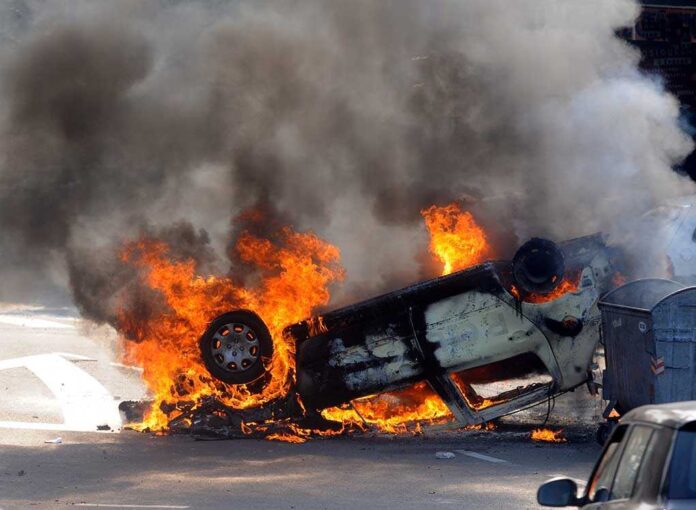
Lieutenant General Fanil Sarvarov parked his vehicle on Yaseneva Street in Moscow. An explosive device detonated beneath the car at approximately 7:00 a.m. on December 22, 2025. Sarvarov sustained fatal injuries and died in hospital. Russian Investigative Committee confirmed the car bomb method, noting ferocious blast damage visible in wreckage. Sarvarov led the Operational Training Department of the General Staff, managing critical military preparation functions.
This attack marks the third car bombing targeting high-profile Russians in 2025. Patterns suggest coordinated efforts against military leadership. Moscow, Russia’s fortified capital, proves no sanctuary for elites as operations penetrate deep into secure zones.
Investigation Targets Ukrainian Involvement
Russian authorities probe Ukrainian intelligence services as primary suspects. Investigators examine evidence pointing to foreign orchestration. Ukraine demonstrated similar capabilities in prior car bombings, including one a year earlier. No Ukrainian confirmation or denial emerged following the blast.
Common sense aligns with Russian suspicions given Ukraine’s history of targeted strikes. Facts show repeated methodology—car bombs on officials—during active conflict. American conservative values emphasize strong defense against aggressors; weakening enemy command through precision aligns with realistic warfare, though escalation risks demand caution.
Geopolitical Timing Disrupts Peace Efforts
The bombing struck hours after weekend U.S.-Ukraine peace talks. Negotiations represent a pivotal moment to de-escalate the Russia-Ukraine war. Sarvarov’s death disrupts Russian military training operations, potentially stalling command readiness. Pentagon received briefings, underscoring diplomatic stakes.
Attack timing implies intent to derail talks. Russian leadership faces hardened stances or rushed concessions. Broader instability in Moscow affects civilian safety and elite morale, prompting security overhauls.
Escalating Pattern of Asymmetric Attacks
Car bombings evolved as Ukraine’s tactic in asymmetric warfare. Third incident in 2025 targets senior figures, degrading Russian capabilities without full invasions. Success reveals intelligence prowess and security lapses in protecting routines like parking.
Long-term, attacks deter military recruitment and expose power structure frailties. Russia confronts internal vulnerabilities while projecting strength abroad. Peace negotiations gain urgency, yet violence persists, complicating trust.
Security and Diplomatic Fallout
Immediate effects hit Russian command: training halts, inquiries pressure security services. Moscow civilians endure tighter measures, fostering unease. Politically, incident bolsters narratives of external threats, influencing negotiations.
Expert analysis confirms vulnerabilities despite capital defenses. Sophisticated plotting evaded protocols, signaling deeper breaches. Geopolitically, sustained operations amid talks undermine ceasefires, perpetuating cycles of retaliation rooted in unresolved conflict.
Sources:
Russian general killed: Moscow grows increasingly dangerous for Putin’s elite