A 240-year-old newspaper just died in a single afternoon, and the way it happened says more about the future of local America than any campaign speech you will hear this year.
Story Snapshot
- A Supreme Court decision in a labor case was followed within hours by the death notice of Pittsburgh’s paper of record.
- Owners cite $350 million in losses; unions say this was about avoiding the cost of following the law.
- A three-year strike, torn-up contracts, and federal rulings set the stage for the shutdown.
- Pittsburgh now stares at a looming news vacuum—and a preview of what many U.S. cities may face next.
The Day A 240-Year Legacy Was Switched Off
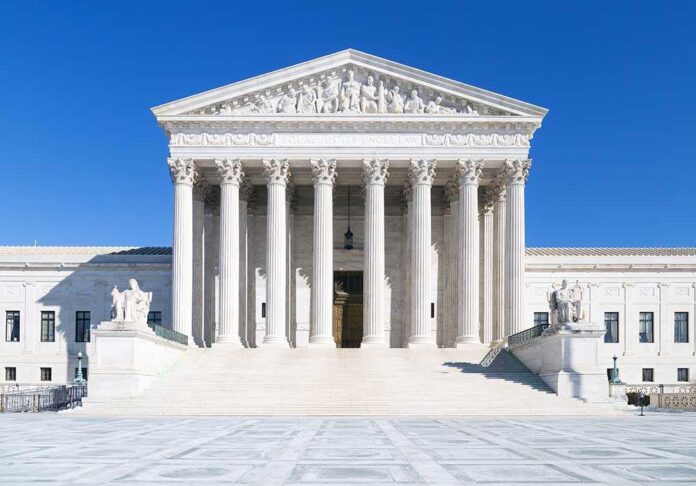
The story begins with a morning order from the U.S. Supreme Court and ends, just hours later, with a press release announcing that the Pittsburgh Post-Gazette will publish its final edition on May 3. Block Communications, the family-owned company that has controlled the paper since 1927, said the nearly 240-year-old institution simply could not go on losing money and complying with what it called outdated, rigid labor terms. That is the official version.
Behind the press release sits a bruising, years-long labor war. The paper’s unionized journalists, represented by the Newspaper Guild of Pittsburgh, had been on strike since October 18, 2022, after management unilaterally tore up their contract in 2020, slashed health benefits, and imposed new work rules. Federal regulators and courts repeatedly concluded those moves violated labor law, ordering the company to restore the 2014 contract and compensate workers for the costs shifted to them.
How Legal Defeat Collided With Economic Decline
The owners say the math no longer worked. Their statement points to more than $350 million in cash operating losses over two decades and frames the closure as the unavoidable outcome of long-term financial decline facing local journalism. From that vantage point, the Supreme Court’s refusal to pause a health-care injunction was not the cause so much as the last straw: being forced back under a 2014 health plan and contract, they argued, would lock the business into costs its current revenue simply could not support.
The unions and their allies tell a sharply different story. Guild leaders argue the owners chose to spend millions on lawyers rather than show their books and bargain in good faith, and having lost at the NLRB, at the 3rd Circuit, and finally at the Supreme Court, they opted to shut down rather than live under the rules they had illegally abandoned. From a conservative common-sense perspective, that charge lands because it tracks with the record: multiple tribunals found violations and ordered remedies, and closure does not erase those legal obligations.
The Long Road From Shared Sacrifice To Sudden Shutdown
The roots go back well before the strike. Reporters and staff endured more than 20 years without across-the-board raises, accepting what union leaders describe as “shared sacrifice” to keep the paper afloat in a declining industry. That bargain collapsed when the company unilaterally scrapped the contract in July 2020, worsening health benefits and asserting new rules without agreement. An administrative law judge later ruled those moves unlawful, an outcome upheld by the NLRB in 2024 and enforced by the 3rd Circuit in 2025.
While those legal gears turned, Pittsburgh’s information landscape thinned out. The Post-Gazette had already reduced print days in earlier years, and by the time of the shutdown announcement, another outlet—the Pittsburgh City Paper, also controlled by Block Communications—had disclosed plans to close as well. Residents now face the prospect of losing not just a daily watchdog on city hall and local courts, but also a key alternative voice, leaving fewer eyes on public officials and fewer shared facts in civic life.
What This Says About Work, Law, And Local Power
The Guild’s framing is blunt: “The Post-Gazette owners couldn’t bust the union, so they shut down the paper.” Whether one accepts that line fully or not, the case poses a stark question for anyone who cares about both the rule of law and a functioning market: What good are labor protections if a company can comply with every adverse ruling by simply locking the doors and walking away? The NLRB and courts can enforce back pay and benefits, but they cannot resurrect a newsroom once the presses stop.
There is a deeper tension here that resonates with many conservatives: businesses must remain free to adapt, cut costs, and even close when the numbers fail—but communities also need institutions that outlast one generation of owners. The Post-Gazette’s fate shows what happens when decades of technological disruption, contested union relations, and blunt legal remedies collide with thin profit margins. Pittsburgh loses not only jobs, but a central civic forum built over nearly two and a half centuries.
Sources:
Pittsburgh Post-Gazette owners couldn’t bust the union, so they shut down the paper
Pittsburgh Post-Gazette to close after 239 years following union dispute
Why Is the Pittsburgh Post-Gazette Closing?
History of the Pittsburgh Post-Gazette after ownership announces closure
Post-Gazette to publish final edition and cease operations on May 3