When diesel jumps, streets fill: this week, fuel shocks lit protests from Aleppo to Luanda.
Story Snapshot
- Syria’s biggest protests since Assad’s fall erupted after a steep diesel price hike.
- Oil surged on war tensions, pushing diesel to record levels and stoking shortages.
- Unrest tied to energy costs spread across emerging markets, with deadly clashes reported.
- Research links sharp fuel hikes to anti-government protests across many countries.
Syria’s spark: a diesel hike that snapped patience
Syrian authorities raised diesel prices by 40 percent to 175 Syrian pounds per liter. Protests then spread to more cities than at any time since Bashar al-Assad fell, with demonstrators burning tires and blocking the Damascus–Aleppo highway, a vital artery for trade and aid. Crowds rallied against higher transport costs, lost jobs, and blackouts. Police faced roadblocks in multiple towns. The speed of the reaction tracked a hard truth: when diesel rises fast, daily life stops first, and politics follows.
Scenes on the highway matched a pattern seen in other countries. Transport workers strike first. Food sellers raise prices next. Then parents, students, and small shops join. The costs pile up in days, not months. That timeline is why fuel protests often grow wide before leaders can respond. Officials can announce relief, but fuel hikes hit every bus, generator, and truck right away. Households do the math at the pump, and then head to the street.
War risk, tight supply, and the diesel squeeze
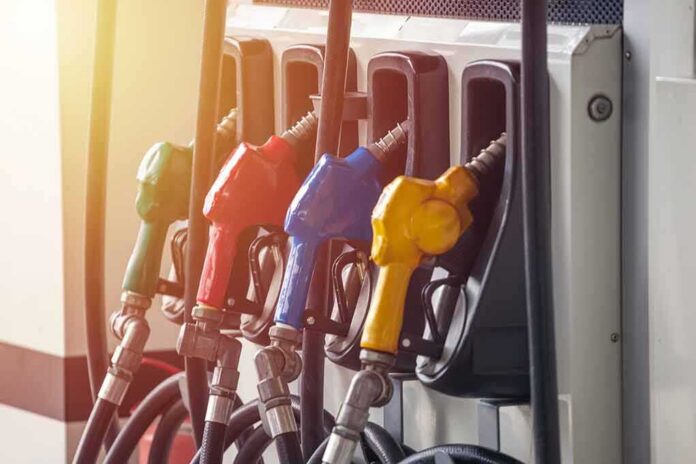
Oil markets rallied after new exchanges of fire between the United States and Iran. Brent and West Texas Intermediate both logged steep weekly gains as traders priced in supply risks. Strikes on energy facilities in Saudi Arabia by Iran-backed Houthis fanned those fears and lifted prices again. Brent crossed $100 per barrel as the conflict dragged on, cementing a higher floor for costs that feed into diesel and gasoline worldwide. Price spikes at this level push freight, food, and farm expenses up within weeks.
Demand for diesel stayed firm even as economies cooled. Shipping, farming, mining, and backup power all rely on it. When refineries struggle to keep up or disruptions hit, shortages appear in fragile markets first. Hospitals in conflict zones warned of looming shutdowns for lack of generator fuel. The squeeze does not respect borders. Americans faced record-high Labor Day weekend gasoline prices, which show how global shocks echo even in wealthy markets.
Unrest stretches across regions, not just one country
Kenya, Indonesia, and Bolivia saw protests in recent weeks tied to energy costs and the wider cost of living crisis. In Angola, what began as rallies over fuel hikes spiraled into deadly clashes, with dozens killed and mass detentions, drawing calls from the United Nations for restraint and investigations. Iran moved to raise gasoline prices for heavy users above a monthly threshold, highlighting fiscal stress and rationing pressure at home. Each case differs, but the trigger is the same: households cannot absorb sudden fuel shocks.
This is not a new story. It repeats when leaders cut subsidies fast, or when wars and sanctions tighten supply. Governments often defend the moves as fiscally needed. That may be true, but the street reacts to cash in the pocket, not balance sheets. A targeted safety net can help, but it must arrive before the hike, not after. That is where many leaders fail, and where anger turns to barricades.
What research says about “fuel riots” and how to avoid them
Studies by the International Monetary Fund link fuel price jumps to a rise in social unrest across more than one hundred developing countries between 2001 and 2020, with anti-government protests the main form. Other research shows larger hikes and abrupt subsidy cuts raise the odds of unrest, especially where institutions are weak and trust is low. The most durable reforms pair small, phased increases with clear cash support, honest messaging, and visible uses of savings, like fixing roads and clinics.
Hundreds of people took to the streets in Syria's Kurdish-majority city of Qamishli on Tuesday amid wider protests over fuel price hikes, the largest against the new authorities.
Syrian authorities on Sunday announced an increase in fuel prices amid global surges due to the…
— Wladimir van Wilgenburg (@vvanwilgenburg) September 16, 2026
The conservative playbook here is common sense. Secure supply first. Protect work and freight with reliable diesel and fair rules of the road. When reform is needed, do it slow, clear, and with guardrails for the poor and for small firms. Do not ask families to gamble on future benefits while their lights go out tonight. People will back tough choices they understand and can survive. They will fight choices sprung on them in the dark.
Sources:
humanevents.com, reuters.com, aa.com.tr, tbsnews.net, uu.diva-portal.org, ideas.repec.org
© featuredheadlines.com 2026. All rights reserved.