
Fifty-three people were killed at a Ukrainian aid site hit in Komyshuvakha, and the count rose as crews dug through the rubble for days.
At a Glance
- Officials report 53 people killed at an aid distribution site in Komyshuvakha.
- Regional governor said rescue and recovery stretched into a fifth day.
- Ukrainian leaders say bombs struck the aid point and then a shelter.
- Reports describe the site as a shelter and humanitarian hub for civilians.
What Happened And Where The Count Now Stands
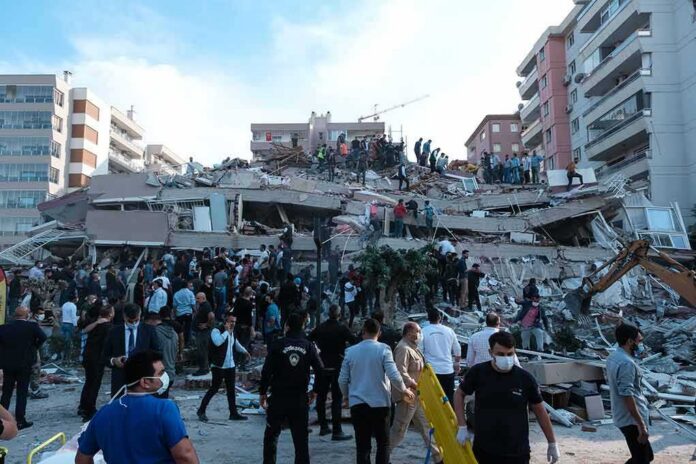
Ukrainian authorities say Russian bombs hit an aid distribution point in Komyshuvakha, a settlement in the Zaporizhzhia region. The reported death toll reached 53 as of Friday, after days of search and recovery under unstable debris and a risk of more strikes, according to the acting regional governor, Mykhailo Semikin. The toll climbed through the week as workers found victims and confirmed identities, moving from early counts in the 20s to 40s and then 53 by week’s end.
Reporters on the ground described a hard, slow process. Teams sifted concrete and twisted metal while families waited nearby. The region’s emergency services used heavy equipment and search dogs. Officials said one survivor was pulled from the ruins three days after the attack, which kept hope alive even as numbers rose. Such rises are common in large collapses, where basements, stairwells, and secondary cave-ins hide victims until crews can reach them.
How The Site Was Hit And Who Was There
Ukraine’s president said the first bombs struck an underground school building used to hand out aid. A second strike then hit the shelter where people had fled, compounding the harm and blocking exits. Human rights monitors in Ukraine relayed similar accounts from regional officials: a school serving as an aid center was hit first, the shelter afterward. Local leaders described the site’s role simply. People lined up for help and sought cover below ground when the first blasts landed.
Newsrooms and officials called the site civilian in character. Reports identified it as both a humanitarian distribution center and a shelter for residents of the area. That description matches a grim pattern that United Nations monitors have tracked in urban combat. Attacks using wide-area explosive weapons in towns and cities drive high civilian losses, especially where people gather for aid, water, or power. The Office of the United Nations High Commissioner for Human Rights has warned for months that such weapons raise the risk to non-combatants in populated areas.
Why The Numbers Changed And What It Signals
Casualty figures moved as crews reached new sections of the wreckage. The shift from the 20s to over 50 tracked the pace of tunneling through fallen floors and blocked corridors. Regional officials posted updates as bodies were recovered and identified. That flow of numbers does not signal confusion; it reflects the hard math of rescue and morgue work under fire and under debris. The governor said efforts carried into a fifth day, which fits the timeline of complex recoveries after large blasts.
Russian Strike Turns Humanitarian Hub Into Mass Grave—The death toll from Russia’s bombing of an aid distribution point in Komyshuvakha has risen to 53, acting Zaporizhzhia regional governor Mykhailo Semikin said on November 6, as search and rescue operations entered their fifth… pic.twitter.com/ui9Biw8SnR
— JP Lindsley | Journalist (@JPLindsley) November 6, 2026
For readers trying to square early and later counts, think sequence. First, responders mark where they hear tapping or voices. Next, they cut through the heaviest slabs. Only after that do they document each victim and cross-check names with families. That is why responsible outlets note provisional totals and then update. The jump to 53 is painful, but it follows the logic of a layered search where safety and access limit speed.
What This Attack Says About The Wider War
The strike on Komyshuvakha fits a broader pattern of risk to civilians at common gathering points in Ukraine. The United Nations has recorded large shares of civilian harm from missiles, drones, and air-dropped bombs in cities. These weapons spread damage across wide areas and turn aid lines, shelters, and schools into danger zones when targeted or hit nearby. When people huddle underground and then face a follow-on strike, the fatality rate climbs because exits are blocked and rescue time doubles.
American readers value clear rules and accountability. The rules of war are simple in spirit. Fighters must aim only at military targets and must spare civilians and places that serve them when they have no military role. That principle of distinction is not a mere slogan; it is the line between lawful combat and a crime. Reports here point to an aid hub and a shelter filled with civilians. That picture is why the outrage feels not just emotional but grounded in common sense.
Sources:
cbc.ca, zmina.info, reuters.com, dw.com, transcripts.un.org, ukraine.ohchr.org
© featuredheadlines.com 2026. All rights reserved.