
Jakarta’s busiest airport went silent before dawn as ash from Anak Krakatau grounded 209 flights and stranded tens of thousands.
Story Snapshot
- Soekarno-Hatta International Airport halted operations as volcanic ash drifted over runways.
- Indonesia’s transport officials detected ash at the airport early Sunday and extended closures.
- Public health advisories urged masks and limited outdoor activity in affected areas.
- Air traffic controllers rerouted planes around the ash corridor to protect engines.
Flights Stopped, Plans Scrapped, People Stuck
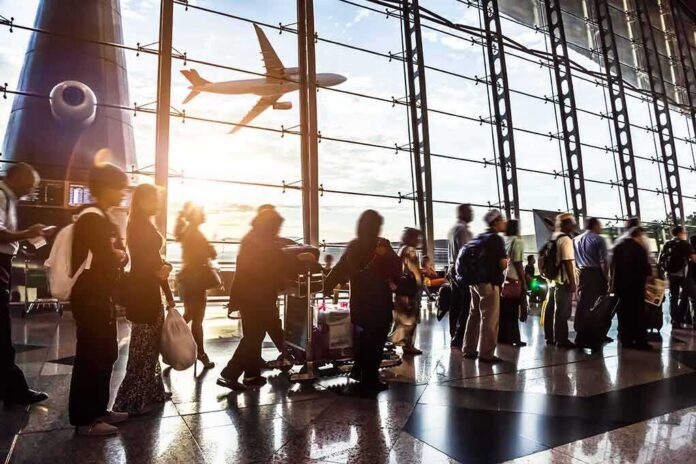
Airport managers at Soekarno-Hatta International in Jakarta suspended takeoffs and landings as ash from Anak Krakatau reached operational airspace. The airport announced on social media that closures would run through the morning, extending an earlier halt as conditions evolved. Airlines scrubbed schedules and held crews, while ground staff moved to protect equipment from abrasive dust. Authorities reported hundreds of cancellations and delays. Travelers formed long queues for rebooking. Airport loudspeakers repeated advisories and directed passengers to shelters.
Indonesia’s transportation ministry said the volcano began erupting late Friday, with ash detected at the airport by early Sunday. That timeline explains the rolling shutdowns. Controllers and meteorologists tracked the plume’s height and drift, issuing updates as wind carried ash across key corridors. Officials paused some school activities near the fallout and warned fishermen to hold at port due to poor visibility and respiratory risks. The response followed long-standing ash safety rules that give airports clear leeway to stop flying fast.
Why Ash Grounds Modern Jets
Volcanic ash is not smoke. It is sharp glass and rock shards that sandblast aircraft surfaces, scratch windscreens, and melt inside hot jet engines. Melted ash can clog turbine blades and cause engine failure. Even thin clouds can foul sensors and reduce visibility. The safest rule is simple: avoid ash. The International Civil Aviation Organization manual and United States Geological Survey guidance back conservative closures, because one bad call can end lives and cripple fleets. That logic drove Jakarta’s go-slow posture.
Air traffic managers chose reroutes over risk, pushing flights away from the plume. AirNav Indonesia took similar steps during past Anak Krakatau events, enforcing ash exclusion zones and diversions. Rerouting burns more fuel and breaks airline schedules, but it preserves engines and safety margins. Passengers feel the pain now, not at 30,000 feet. For readers who prize common sense and personal responsibility, this is the right trade: fix the plan, not the plane, and live to fly tomorrow.
The Scale: Big Airport, Bigger Ripples
Soekarno-Hatta handles most of Indonesia’s international traffic and a heavy domestic load. When it stops, the network buckles. The current stoppage triggered a wave of cancellations that rippled to Singapore and beyond as carriers reset crews and aircraft positions. The math is blunt. One closed hub can snarl routes across a region for days. Call centers jam. Hotel shuttles fill. Families miss milestones. Businesses eat costs. Yet ash on runways and in intakes would cost far more in damage and downtime.
Anak Krakatau just grounded Jakarta’s main airport.
Ash shut ~209 flights. 22,000+ people stranded. Routes to Singapore, Doha, Sydney hit. No tsunami this time.
Last time this volcano went big: Dec 22, 2018. A chunk of it collapsed into the sea and a tsunami killed 400+ along… pic.twitter.com/EnFZHl9KZe
— PSB (@PSBVireon) September 6, 2026
Officials paired aviation steps with health guidance. People in ash fall zones were urged to wear masks, close windows, and wash exposed skin. Light ash can irritate lungs and eyes, and it makes roads slick. Local governments deployed cleanup crews to clear drains and public areas. The faster cities remove ash from streets, the sooner life returns to normal. That work matters almost as much as airspace management because clogged gutters can turn a short storm into a flood.
What Comes Next: Caution, Checks, And A Reset
Airports will reopen in phases as ash concentration drops and winds shift. Inspectors must check runways, taxiways, and lighting for abrasion and residue. Airlines will borescope engines that may have ingested dust during approach or taxi. Controllers will keep reroutes in place until plume models and pilot reports line up with clear air. This is the drill learned after Europe’s 2010 ash crisis and refined ever since: verify, clean, test, then fly. Expect staggered schedules before full normal returns.
The public frustration is real. Missed weddings and lost work sting. Yet risk math does not bend to mood. The Reuters reporting shows officials acted on direct ash detection at the airport and extended closures with time-stamped notices. That is the standard of care the flying public deserves. Strong institutions prove their worth on days like this: share facts fast, choose safety over speed, and open only when conditions match the rulebook. The volcano sets the tempo. Humans set the standard.
Sources:
bbc.com, reuters.com, arabnews.com, cambridge.org
© featuredheadlines.com 2026. All rights reserved.