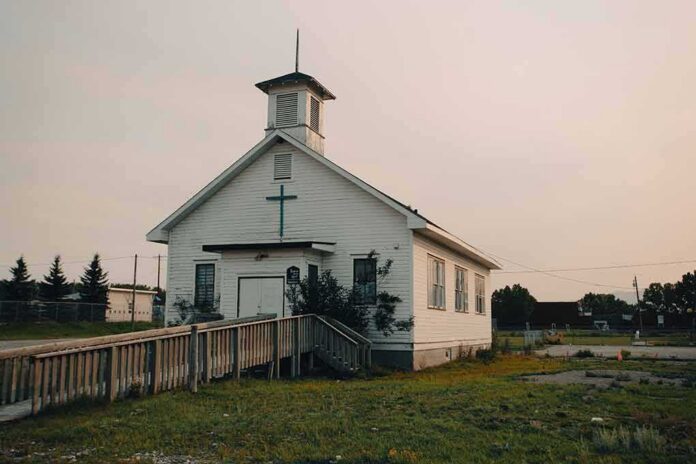
James Talarico said his church sheltered a mother and son who were close to deportation, and the clip is now roaring through the campaign.
Story Snapshot
- A 2023 interview shows Talarico describing church shelter for an undocumented family.
- He linked the act to Christian duty and public justice themes.
- The clip resurfaced as he runs for the Senate, fueling partisan debate.
- Church-based “sanctuary” has decades of precedent in the United States.
What Talarico Said And Why It Matters Now
Texas Democrat James Talarico said in a 2023 interview that his congregation housed an undocumented mother and son who were “close to being deported” by Immigration and Customs Enforcement. He framed the action as part of his church’s history of public witness, not as a political stunt. The short clip resurfaced during his Senate run and drew sharp reactions online and on cable news, where critics say he cheered evasion of immigration enforcement.
Supporters note Talarico often couches immigration in moral language and says policy should secure the border while treating people with dignity. He has argued that enforcement should target cartels and violent criminals, not families. His recent media hits repeat that two-part message: a “welcome mat and a lock on the door.” That framing blends compassion with order, which polls suggest many voters want. Whether the viral clip helps or hurts him depends on which half voters hear.
The Clip, The Reaction, And The Boundaries Of Law
The video spread fast after partisan accounts highlighted his line that “Christianity is just another word for causing trouble.” Detractors call the church’s act “harboring.” Backers call it “sanctuary.” Federal guidance says houses of worship are not off-limits to law enforcement. It also explains that some aid is legal and some is not, such as transporting someone across the border, which is a felony. Churches that offer shelter walk a narrow path and often consult lawyers.
No record in the clip names the family or the exact timeline. That limits outside fact-matching on the case. But the political thrust is clear. Republicans argue that public officials should never celebrate actions that frustrate federal law. That claim resonates with conservatives who want consistent enforcement and who see selective sanctuary as unfair. Talarico’s camp answers that faith-driven aid can be lawful and can push agencies to show discretion in family cases.
How Churches Got Here: A Real, Long-Running Movement
Congregations have sheltered migrants for decades. The modern sanctuary movement began in the 1980s, then revived in the last 15 years as deportations rose. National outlets have chronicled many cases where public church shelter led to a legal pause or a stay of removal after officials reviewed humanitarian claims. By 2016, some churches openly hosted families under final orders while lawyers pursued relief, drawing both praise and criticism across the country.
Local faith groups say they act when they believe the system missed a key fact, like a danger at home or a child’s case. Immigration and Customs Enforcement retains authority to act in a church, but agents often weigh optics, safety, and policy when deciding where to conduct arrests. That space creates room for advocacy and also for backlash. The Talarico episode sits squarely in that tension, blending ministry, law, and politics in one combustible moment.
What Aligns With Common Sense—and What Does Not
Americans expect a secure border, clear rules, and equal treatment under the law. They also expect mercy for families in real danger. Those views can live together if leaders back firm enforcement while fixing the asylum backlog and the work-visa mess. Churches can help families with food, shelter, and legal referrals. But when a public official seems to celebrate acts that block enforcement, many voters see a double standard. That perception carries real political risk.
Lawmakers who want durable reform must connect order to compassion in plain terms. Start with faster case decisions so people are not stuck in limbo for years. Focus enforcement on traffickers and violent offenders. Expand legal pathways that match labor needs. Encourage faith groups to support due process, not defiance. Talarico’s clip sparked outrage because it touched a nerve. The path forward is not louder clips; it is policy that keeps the welcome mat and locks the door.
Sources:
thegatewaypundit.com, foxnews.com, youtube.com, tpr.org, en.wikipedia.org
© featuredheadlines.com 2026. All rights reserved.