

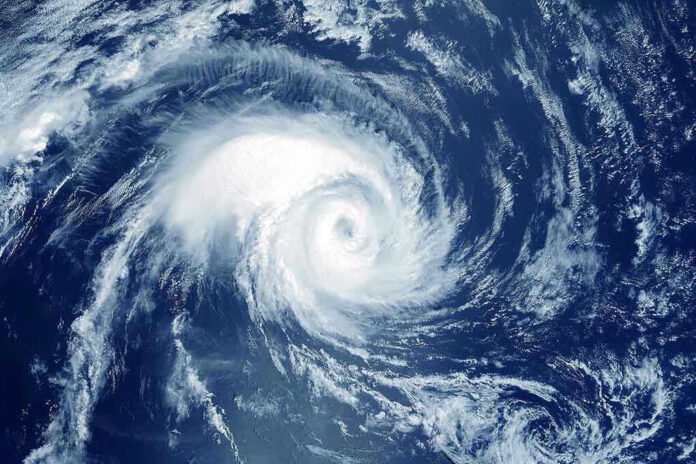
A rare tropical storm in the Malacca Strait has unleashed catastrophic flooding across Southeast Asia, creating one of the region’s deadliest natural disasters in recent memory with over 600 confirmed deaths and millions still trapped in the aftermath.
Story Highlights
- Death toll surpasses 600 across Indonesia, Thailand, Malaysia, and Sri Lanka with hundreds still missing
- Over 4 million people affected by flooding and landslides from unprecedented tropical storm formation
- Hat Yai, Thailand recorded 335mm of rain in single day—highest rainfall in 300 years
- Rescue operations hampered by blocked roads forcing helicopter-based aid delivery to isolated communities
- Malaysian government evacuates over 6,200 nationals from affected areas in coordinated international response
Unprecedented Weather Event Devastates Multiple Nations
The formation of a tropical storm in the Malacca Strait represents a meteorological anomaly that caught the region unprepared. This narrow waterway between Malaysia and Indonesia rarely spawns such powerful weather systems, yet the storm sustained heavy rainfall and destructive winds across three countries for an entire week. The timing during monsoon transition periods amplified the devastation, turning seasonal weather patterns into a regional catastrophe that overwhelmed emergency response capabilities.
Indonesia bears the heaviest burden with 336 confirmed deaths and 289 people still missing. West Sumatra’s mountainous terrain created perfect conditions for deadly landslides that swept away entire communities. Reuters photographers documented vast swaths of land completely stripped of homes and infrastructure in the isolated town of Palembayan, where survivors gather at makeshift helicopter landing zones converted from soccer fields, waiting desperately for food deliveries from relief teams.
Thailand Faces Record-Breaking Rainfall and Rising Casualties
Southern Thailand’s death toll reached 170, with Songkhla Province suffering the worst impact at 131 fatalities. The provincial capital of Hat Yai experienced a meteorological event that rewrote the history books—335 millimeters of rainfall in a single day, shattering 300 years of weather records. This torrential downpour overwhelmed urban drainage systems and flooded residential areas, trapping families in their homes and creating scenes of chaos as emergency services struggled to reach victims.
The Thai Ministry of Public Health reports 102 additional injuries as flood waters slowly recede, revealing the full scope of destruction. Nearly three million people across southern Thailand have been affected, creating a humanitarian crisis that stretches local resources beyond their limits. Emergency shelters overflow with displaced families who lost everything to the raging waters that transformed familiar neighborhoods into unrecognizable landscapes of debris and destruction.
Cross-Border Crisis Tests Regional Cooperation
Malaysia’s response demonstrates how natural disasters transcend national boundaries, requiring unprecedented diplomatic coordination. The Malaysian Foreign Ministry successfully evacuated over 6,200 of its nationals from Thailand while simultaneously managing 24,500 people in domestic evacuation centers. Despite recording only two confirmed deaths domestically, Malaysia’s geographic position made it a crucial staging ground for regional relief efforts and a safe haven for displaced persons from neighboring countries.
The disaster’s reach extends beyond Southeast Asia’s mainland to Sri Lanka, where a related cyclone system killed 153 people and left 191 missing. Over 500,000 Sri Lankans face ongoing threats from the same weather pattern that devastated Indonesia, Thailand, and Malaysia. This interconnected crisis reveals how modern weather systems can create simultaneous emergencies across vast geographic regions, testing international emergency response protocols and regional cooperation agreements.
Sources:
Tropical Storm Deaths Cross 500 in Southeast Asia, Over 4 Million Affected