More than 1,500 canceled flights and 6,500 delays in a single weekend reveal just how quickly America’s air travel system can unravel when political gridlock collides with critical infrastructure shortages.
Story Snapshot
- The FAA’s emergency order has forced airlines to slash schedules at 40 major airports, causing nationwide chaos for travelers.
- The ongoing government shutdown, now the longest in U.S. history, triggered these unprecedented disruptions.
- Chronic air traffic controller shortages have amplified the crisis, exposing systemic weaknesses in U.S. aviation.
- Industry and policy experts warn of lasting damage unless Congress acts to restore funding and reform staffing practices.
Travel Plans Collide With Political Dysfunction
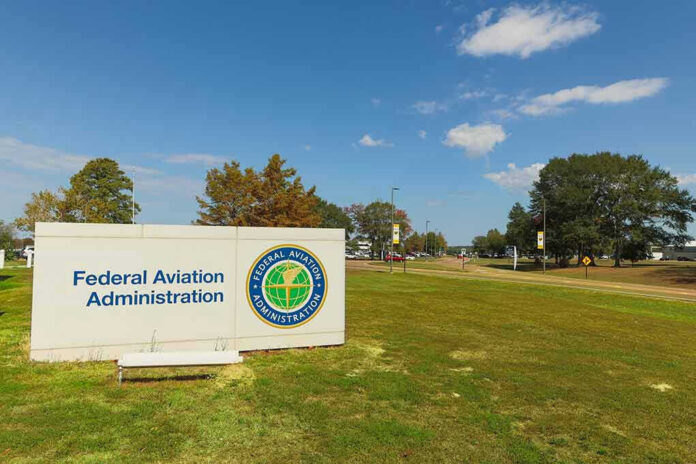
On November 7, 2025, the Federal Aviation Administration executed an emergency order instructing major U.S. airlines to immediately reduce their scheduled flights by up to 10% at the nation’s busiest airports. The decision, a direct response to the government shutdown entering its 41st day, sent shockwaves through the travel industry. By November 10, more than 1,500 flights had been canceled, and 6,500 more were delayed, stranding passengers and disrupting the start of the holiday season. This level of disruption has surpassed every precedent, including the widely publicized delays of 2019, and marks the first time the FAA has mandated such sweeping operational cuts to protect safety amid a federal funding lapse.
Travelers found themselves trapped in terminals, scrambling for updates as airlines struggled to manage the fallout. American Airlines alone confirmed a 6% reduction in its schedule at 40 airports for November 11, with even deeper cuts looming as the FAA’s phased reductions take hold. The airline industry, battered by pandemic scars and now forced to navigate political crossfire, faces mounting costs from rebookings, compensation, and lost revenue. Meanwhile, air traffic controllers—already in short supply—are working under immense stress, their numbers thinned by years of hiring delays and retirements. Each canceled flight is a symptom of a deeper vulnerability: the fragile intersection of safety, funding, and government responsibility.
How We Got Here: Shutdowns, Shortages, and Systemic Stress
The roots of this crisis stretch back years. The National Airspace System has operated under the strain of chronic air traffic controller shortages, with the FAA struggling to recruit and retain enough skilled professionals. When Congress failed to pass appropriations bills by October 1, 2025, the resulting government shutdown cut off funding for “non-essential” operations and triggered an inevitable domino effect. The FAA, reliant on federal dollars to pay its workforce and contractors, faced no choice but to issue a rare emergency order for phased reductions—4% by November 7, 6% by November 11, and a staggering 10% by November 14.
Unlike previous shutdowns, which caused delays but stopped short of formal operational cuts, this episode exposes the limits of an air travel system stretched to its breaking point. The timing, coinciding with the annual holiday travel rush, has amplified the impact for millions. Major carriers, including Delta and United, have scrambled to communicate schedule changes and offer rebooking options, but their ability to mitigate the crisis is constrained by regulatory compliance and the physical limits of remaining staff. For travelers, every gate announcement is a reminder that the reliability of U.S. air travel depends on more than just weather and technology—it hinges on the stability of government itself.
The Ripple Effect: Economic, Social, and Political Fallout
The immediate consequences are measured in missed vacations, business losses, and frayed tempers. Airlines face millions in lost revenue and compensation costs, while airports report cascading operational headaches from stranded passengers and delayed cargo. For air traffic controllers, the workload intensifies even as their ranks dwindle, making safety margins thinner by the day. The broader impact, however, extends beyond the tarmac. Businesses dependent on air cargo grapple with supply chain disruptions, and families recalibrate plans as confidence in travel reliability erodes. Public frustration is mounting, with calls for Congress to end the funding stalemate growing louder by the hour.
Industry analysts warn that the longer the shutdown drags on, the more permanent the damage will be. The crisis has triggered fresh debates over how the FAA is funded and whether the nation’s critical infrastructure should remain hostage to political brinkmanship. Some experts advocate for greater automation and modernization of air traffic control to reduce vulnerability to labor shortages. Others, echoing the frustration of millions of travelers, argue that bipartisan cooperation in Congress is the only antidote to future shutdowns. As the November 14 deadline for a full 10% flight reduction approaches, the nation watches and waits—uncertain whether relief or further chaos lies ahead.
Sources:
FAA Emergency Order (official government document)
American Airlines: Update on FAA Directive
Fox News: Government Shutdown, FAA Flight Cancellations & Delays