

A 23-year-old YouTuber’s viral fraud investigation triggered nationwide federal funding cuts to childcare programs, leaving hundreds of thousands of low-income families scrambling for alternatives while sparking a wave of threats and vandalism against Somali-operated daycare centers.
Story Overview
- Nick Shirley’s viral video alleging fraud at Somali daycares prompted immediate federal funding freezes affecting childcare centers nationwide
- Somali daycare operators reported violent threats and vandalism following the video’s release
- The Trump administration cut federal childcare subsidies without waiting for official fraud verification
- FBI launched a nationwide investigation into alleged taxpayer fraud schemes in daycare operations
- State attorneys general warned against harassment while directing fraud concerns through proper legal channels
When YouTube Investigations Drive Federal Policy
Nick Shirley transformed from high school prank videos to political journalism, but his latest investigation carried consequences that rippled far beyond his YouTube subscriber base. His allegations against Somali-American daycare centers in Minnesota didn’t just go viral—they triggered immediate federal action that froze childcare funding across multiple states, affecting families who had nothing to do with the alleged fraud.
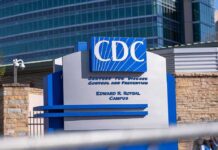
The Department of Health and Human Services moved swiftly after Shirley’s video gained traction, cutting federal childcare subsidies nationwide without waiting for official verification of his claims. This rapid response demonstrates how social media investigations now carry the power to influence government policy decisions in real time, bypassing traditional verification processes that typically precede such drastic measures.
The Human Cost of Viral Accusations
Somali daycare operators found themselves targets of more than just federal scrutiny. Reports of violent threats and vandalism began surfacing as Shirley’s video spread across social platforms. These business owners, many of whom serve low-income families in their communities, suddenly faced safety concerns while simultaneously losing the federal funding that kept their operations viable.
Mary Solheim, a Minnesota childcare provider, expressed dismay at how a single influencer could disrupt an entire system that serves vulnerable families. The irony wasn’t lost on observers: while investigating alleged fraud, the viral video created immediate hardship for the very families these programs were designed to help. Hundreds of thousands of low-income children lost access to subsidized childcare as funding dried up.
Federal Response Outpaces Evidence Gathering
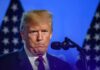
The Trump administration’s swift action raised questions about the balance between fraud prevention and due process. HHS froze Minnesota payments and implemented broader funding cuts before completing any official investigation. When pressed for evidence supporting these decisions, the Department of Homeland Security has remained notably silent, failing to respond to requests for documentation.
The FBI subsequently announced its own nationwide investigation into alleged daycare fraud schemes involving taxpayer funds, lending some official credence to concerns raised in Shirley’s video. However, this federal probe began after the funding cuts had already disrupted childcare services across the country, suggesting the administration prioritized rapid response over methodical investigation.
State Officials Navigate Between Protection and Accountability
Washington Attorney General Nick Brown found himself managing a delicate situation as Somali daycare centers in his state also reported harassment. His office issued warnings that threats and harassment would not be tolerated while simultaneously directing legitimate fraud concerns to the Department of Children, Youth and Families website, attempting to channel public concerns through proper legal channels rather than vigilante harassment.
This balancing act reflects the broader challenge facing officials nationwide: how to investigate legitimate fraud concerns while protecting minority communities from harassment. The situation highlights how viral content can bypass established legal processes, creating a parallel system where social media investigations drive policy decisions before official channels complete their work. The long-term implications extend beyond this single case, potentially setting precedent for how online content creators can influence government actions affecting millions of Americans.
Sources:
Somali day care centers face threats and how Trump could save Obamacare subsidies – WGBH
Somali child care providers report vandalism, threats after viral video – MPR News