
A 66-year-old man zipped into a body bag, chilled on a mortuary table, suddenly gasped for air just seconds from the embalming knife.
Story Snapshot
- Roger Leitner suffered cardiac arrest at his Spanish care home on November 21, 2024, revived briefly, then declared dead after a second episode.
- Funeral home staff placed him in a refrigerated body bag overnight, preparing for embalming the next morning.
- Leitner awoke gasping on November 22, shocking workers who called emergency services immediately.
- Hospital treatment for hypothermia and low blood pressure led to his discharge after two days in stable condition.
- Officials blamed human error from hypothermia masking vital signs; new protocols now mandate better checks.
Cardiac Arrest Strikes at Care Home
Roger Leitner, 66, collapsed from cardiac arrest at Residencia 3 de Mayo care home in Reus, Spain, on November 21, 2024 morning. Paramedics restored his heartbeat temporarily. Hours later, a second arrest occurred. The medical team pronounced him dead, citing no detectable pulse or breathing. They followed standard protocol for non-hospital deaths, where paramedics often lead initial calls despite Spanish law requiring two doctors.
Care homes in Catalonia face staffing shortages, with 15% vacancies reported by the Spanish Health Ministry in 2024. Reus holds a 25% elderly population over 65, straining resources. Leitner’s pre-existing heart issues contributed, but rushed assessments overlooked hypothermia’s role in slowing metabolism to near-undetectable levels.
Transfer to Funeral Home and Chilling Revelation
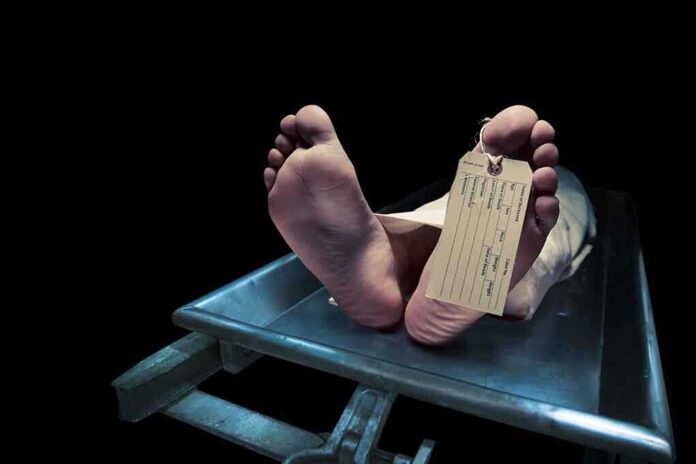
That evening, Leitner’s body moved to Mémora funeral home in La Pobla de Mafumet. Staff zipped him into a refrigerated body bag and placed him on a mortuary table overnight. On November 22 morning, during pre-embalming checks, Leitner stirred and gasped loudly for air. Funeral workers, stunned, cut the bag open and summoned emergency services.
Hypothermia below 28°C mimics death by reducing heart rate and respiration. Dr. Manel Castells of the Spanish Society of Intensive Care stressed ECG monitoring as essential. Leitner’s case exposed gaps in vital signs protocols, especially for elder care transfers.
Paramedics rushed him to Alcover Hospital. Doctors diagnosed hypothermia and hypotension, treating him over two days. Leitner discharged on November 24, fully recovered and returned to normal life in Reus. His family sought €10,000 compensation, though unconfirmed.
Investigation Reveals Systemic Flaws
Catalan Health Service launched a probe, closing it in January 2025. The report cited human error: hypothermia masked vitals, leading to premature declaration. Mémora followed protocols but paused operations for 48 hours. Staff received trauma counseling. No lawsuits emerged, but the incident amplified media pressure.
Spain’s opposition criticized regional health budgets amid post-COVID strains. Public trust in elder care dropped 15% per El País polls. Funeral insurance premiums rose 5%, per Spanish Funeral Association estimates. Catalan officials mandated enhanced training by February 2025, including capnography for CO2 monitoring.
Global Precedents Underscore Persistent Risks
This mirrors cases worldwide. In 2023 Mexico, Carlos Camejo revived mid-autopsy. Ecuador’s Bella Montoya awoke in her coffin in 2022 after six hours. Spain saw 91-year-old Ada Llanes stir in 2014. WHO estimates 1 in 1,000 apparent deaths misdiagnosed yearly due to catalepsy-like states from drugs or cold.
Prof. Julie Kropf, UK forensic pathologist, notes 1-2% error rates in non-hospital deaths, with precedents ignored. Unions defend overworked medics, aligning with common sense on resource limits. Yet facts demand stricter double-checks, resonating with conservative values of accountability and protecting the vulnerable elderly.
Leitner’s escape prompts reflection: modern medicine conquers much, but overreliance on rushed protocols endangers lives. Enhanced tools like AI vital monitors, urged by ethicists, promise safeguards without bloating bureaucracy.