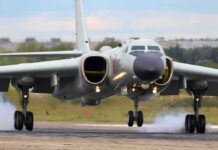


A Delta flight bound for Orlando turned back to Minneapolis minutes after takeoff when a pilot fell ill, and the crew’s tight choreography turned a scare into a safe landing.
Story Snapshot
- Delta Flight 1208 returned to Minneapolis after a reported pilot medical issue.
- The crew declared an emergency for priority handling and landed safely.
- Delta said procedures were followed and customers continued with a replacement crew.
- Reports say the pilot had chest pain and arm numbness shortly after takeoff.
What Happened Onboard And Why The Turnback Was Immediate
Delta Flight 1208 departed Minneapolis-St. Paul for Orlando on August 31, 2026, in a Boeing 757-300, with reports listing 178 passengers and seven crew. Shortly after takeoff, a pilot reported a medical problem, and the crew asked air traffic control for priority to return. Controllers cleared the flight to land and the aircraft touched down safely around late morning. Delta said the team followed procedures, supported the pilot, and rebooked or re-crewed the flight so customers could continue.
CBS Minnesota reported the pilot felt chest pains and numbness in the arms soon after departure, symptoms that can suggest a cardiac concern. Crews treat these signs with caution because time matters if a heart issue is present. Returning to the departure airport gave the airplane the quickest runway, the most familiar maintenance and medical access, and a large safety margin. That is the point of redundancy: act fast, reduce risk, and keep options wide open.
How Airline Crews Handle A Sick Pilot At Altitude
Flight crews train for medical events the same way they train for engine failures and fires: aviate, navigate, communicate. The healthy pilot flies the plane. The cabin crew checks the sick crewmember, gathers symptoms, and deploys on-board medical gear. The crew consults company operations and asks air traffic control for vectors to the best airport. Medical reviews describe early diversions when symptoms point to possible incapacitation, with the aim to reach definitive care quickly.
Airlines build systems around these moments. Dispatch offers weather, runway, and fuel guidance. Air traffic control clears a direct path and gives priority. Airport fire and rescue stands by if needed. This chain is routine, not dramatic, and that is by design. Most in-flight medical events do not lead to a diversion. But suspected cardiac events and seizures rank among the most diversion-prone, because the downside of waiting can be severe for the patient and the flight.
What The Numbers Say About Diversions And Risk
Medical events on airliners happen far less often than lost bags, yet they stick in memory because the stakes feel high. Research on in-flight medical events notes that only a smaller share require an unscheduled landing, but cardiac-type symptoms drive many of those returns. The structure of commercial flying assumes two healthy pilots, so any hint that one may be impaired tilts the call toward an early landing. The operational cost is real, but the safety benefit outweighs it.
🟡 INCIDENT/SAFETY | MINNEAPOLIS, USA
Delta 1208, a Boeing 757-300 bound for Orlando, returned Aug. 31 after a pilot medical emergency. It landed safely; all 178 passengers later continued with a replacement crew. FAA investigating. #AviationSafetyhttps://t.co/jYkQUVlyRs
— Aviation News on X (@AviationNewsOnX) September 2, 2026
That trade-off is why you see quick returns like this one. The crew preserved redundancy, got the pilot to care, and kept passengers safe. The Federal Aviation Administration (FAA) reviews incidents like this and works with airlines to spot any pattern worth action. Reports stated the agency opened an investigation after the safe landing at Minneapolis, as it commonly does with priority returns linked to crew health.
Delta’s Response And What Passengers Should Expect Next Time
Delta told reporters the aircraft returned due to a reported medical issue involving a pilot and that the crew followed established procedures to land safely. The airline emphasized support for the pilot and promised onward travel for customers, which the operation arranged after a crew swap. That is the script every major carrier uses: protect people first, stabilize the plan second, then recover the schedule with backup crews and aircraft as needed.
Passengers often wonder what they will see in the cabin during such events. Expect calm briefings, quick checks by flight attendants, and a firm but steady descent. You may see emergency vehicles near the runway. You may wait for paramedics to board. Then you will head back to a gate to swap crews or deplane. Most of this will feel slow from your seat. In the system, it is moving fast, because hundreds of people are aligning to a single goal.
The Bottom Line: Fast, Conservative, And Correct
This return to Minneapolis was the playbook working as intended. The crew recognized concerning symptoms, declared an emergency for priority handling, and landed without injury. Delta supported the pilot and moved customers onward. The facts match a core truth in aviation: when in doubt about a pilot’s health, turn back sooner, not later. That call protects everyone on board and gives doctors the time they need to help.
Sources:
foxnews.com, kare11.com, wftv.com, nbcchicago.com, bostonglobe.com, today.com
© featuredheadlines.com 2026. All rights reserved.