
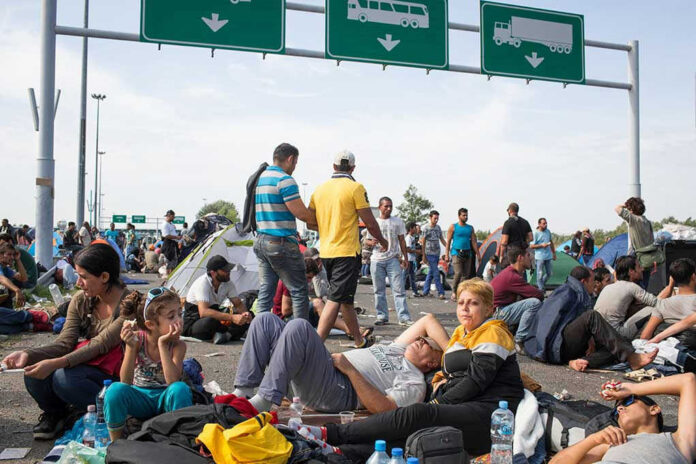
Refugees, already grappling with the trauma of uprooting, now stand at the front lines of America’s next food assistance rollback—a move set to send shockwaves far beyond immigrant communities.
Story Snapshot
- Refugees will be among the first to lose access to food stamps under the new federal budget law.
- The One Big Beautiful Bill Act introduces sweeping cuts to food assistance programs, targeting vulnerable populations.
- Fear and confusion are spreading in refugee communities as they face new hurdles in securing basic nutrition.
- This policy shift signals potential hardship for millions of Americans reliant on food aid.
Federal Budget Law Targets Refugee Food Assistance
The One Big Beautiful Bill Act, championed by Republican lawmakers as a sweeping cost-cutter, is poised to reduce food assistance for refugees. The law’s language singles out recent arrivals, making them among the first casualties in a broader effort to shrink federal spending. For refugees, who often arrive with little more than hope and resilience, the loss of food stamps is not a distant policy debate—it’s an immediate crisis. Community organizations report a surge in calls from anxious families, many of whom depend on food stamps to survive their first months in the U.S., as they seek work and stability.
Advocates argue that the targeted nature of these cuts betrays the American tradition of offering a hand up to newcomers fleeing war and persecution. Instead, the new law sets a precedent: when budgets get tight, those least able to advocate for themselves become the first to lose support. The rationale behind the cuts, according to lawmakers, is fiscal responsibility—yet the real-world consequence is a wave of food insecurity sweeping through communities just beginning to find their footing in America.
Ripple Effects: Refugee Families and the Struggle to Adapt
Refugee families often enter the United States with limited English, few social connections, and little understanding of complex benefit systems. Food stamps (Supplemental Nutrition Assistance Program, or SNAP) are a lifeline, allowing parents to feed children while navigating the maze of job searches, school enrollment, and cultural adaptation. The sudden loss of this support threatens to derail that process, adding hunger and instability to an already daunting transition. Food pantries, already stretched thin, warn that demand will spike as refugees lose access to basic staples.
Community leaders report that word of the coming cuts is spreading quickly, stoking anxiety and leading some refugees to ration food or skip meals altogether. Volunteers describe heartbreaking choices: parents eating less so their children have enough, or turning to under-the-table work to make ends meet. The psychological toll is profound, with many refugees expressing shame and despair at being unable to provide for their families in a country famed for its abundance.
A Sign of What’s Next for Millions of Americans
While the immediate impact of the One Big Beautiful Bill Act falls on refugees, the implications run much deeper. This policy marks a shift in how America approaches the social safety net, signaling that food assistance for vulnerable groups is no longer sacrosanct. Anti-poverty advocates warn that if cuts to refugee food aid proceed without public backlash, similar measures could soon extend to other groups: seniors, low-income families, and people with disabilities.
The debate over food stamps has long been a flashpoint between fiscal conservatives and advocates for the poor. Supporters of the cuts frame them as a necessary step to rein in government spending. Critics counter that slashing aid to those with the least undermines American values and ultimately costs society more—through increased hunger, poorer health, and greater reliance on emergency services. The fate of the nation’s refugees may soon be a test case for how far, and how fast, the safety net can unravel before the public demands a course correction.
Sources:
Refugees will be among the first to lose food stamps under federal changes