
The United States says do not travel to Libya for any reason, period.
Story Snapshot
- The State Department set Libya at Level 4: Do Not Travel.
- Risks include crime, terrorism, kidnapping, civil unrest, landmines, and armed conflict.
- No U.S. Embassy operates in Libya, limiting help if trouble hits.
- Risk indicators on the advisory page flag unrest, crime, kidnapping, and terrorism.
Washington’s Highest Warning, Explained
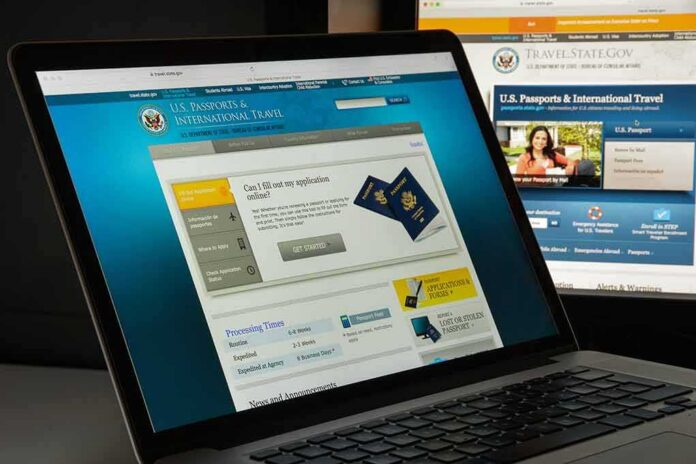
The U.S. State Department placed Libya under its strongest warning: Level 4, Do Not Travel. The advisory does not hedge. It tells Americans to avoid the country for any reason. The warning lists overlapping threats. Crime, terrorism, kidnapping, civil unrest, unexploded landmines, and armed conflict all raise danger. Level 4 is not common. It places Libya with the most unstable places on the map. The alert’s plain language is designed to stop casual and even “bucket list” trips in their tracks.
The State Department’s advisory index backs up the red flag with specific risk tags. It highlights unrest, crime, kidnapping or hostage taking, and terrorism for Libya. Those signals show a broad, not narrow, problem set. One hazard would be bad. Four major hazards at once remove the margin of error travelers depend on. This is the government saying, we cannot manage your risk there. A flight in is easy; a safe way out may not be.
No Embassy, No Safety Net
The United States does not run an embassy in Libya today. That single fact changes the whole risk equation. If trouble starts, you will not find a U.S. window to knock on. Questions route to a Libya office outside the country, in Tunis, Tunisia. Phones and emails help only so much when roads close, militias move, and airports halt. When a nation lacks a working consular hub, even small problems can become life threatening in hours.
The U.S. Embassy Libya site repeats the warning in clear terms. It notes the Level 4 advisory remains in effect for the same reasons: crime, terrorism, landmines, civil unrest, kidnapping, and conflict. That consistency matters. Agencies align messaging when the threat picture does not improve. For travelers, that means do not look for hidden exceptions. Tourism, business scouting, and adventure treks all sit under the same red light.
How The Threats Stack, Not Just Add
Crime alone strains personal safety. Terrorism adds the risk of planned attacks on public places. Kidnapping targets foreigners for leverage or ransom. Civil unrest can turn a street normal at noon into a no-go zone by dusk. Landmines and other unexploded munitions make detours deadly. Armed conflict can close ports and fragment police power. In Libya, these threats layer over one another. When systems break, American common sense says reduce exposure, not test odds.
⚠️WARNING ~ MAJOR ALERT ISSUED!⚠️
US STATE DEPARTMENT ISSUES STRONGEST WARNING:
🚨 “DO NOT TRAVEL TO LIBYA FOR ANY REASON” 🚨Americans are being urged not to travel to Libya under any circumstances, with the State Department issuing a Level 4 travel advisory citing… pic.twitter.com/IC53M5Va6m
— Sergeant News Network (@sgtnewsnetwork) September 5, 2026
Some travelers argue they will stick to “safer” areas or hire local guides. That plan depends on good maps, steady phone service, and trusted contacts. In conflict zones, those pieces can fail without notice. The State Department framework is blunt for that reason. It speaks to what government can and cannot do if you roll the dice. With no embassy, limited reach, and many fluid threats, the government draws a bright line for Libya. Personal freedom does not cancel real risk; prudence respects it.
Why The Advisory Stays High
Travel warnings change when conditions change in clear, durable ways. The Libya page shows no such turn yet. The advisory index lists the Level 4 status and risk indicators with recent update dates. Media and security reporting echo the same theme: the mix of crime, terrorism, kidnapping, unrest, and conflict keeps the threat high. Officials keep the level at the top when they see no reliable way to protect Americans on the ground. That stance aligns with conservative values of order, law, and personal responsibility.
Plain Guidance For Travelers
Cancel nonessential trips. Do not plan detours through Libyan airports or land borders. Do not enter by sea. If you are already in Libya, plan a safe departure as soon as possible. Share your route and backup plans with family. Keep your phone charged and carry paper copies of key documents. Enroll in the Smart Traveler Enrollment Program if you can access it. These steps do not make Libya safe. They only buy time while you exit. The official message remains: do not go.
Sources:
thegatewaypundit.com, travel.state.gov, foxnews.com, ly.usembassy.gov, travelandtourworld.com
© featuredheadlines.com 2026. All rights reserved.