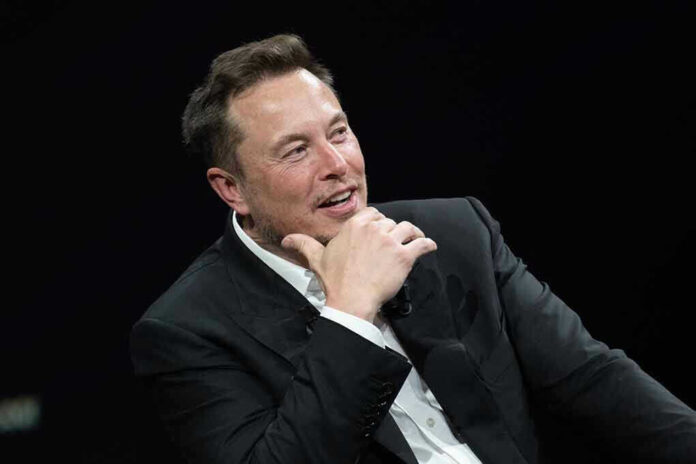
Elon Musk’s path to becoming the world’s first trillionaire may reshape how we think about leadership, wealth, and shareholder power—if Tesla’s record-shattering pay package delivers on its promise.
Story Snapshot
- Tesla shareholders reinstated Musk’s $56 billion compensation package, potentially making him the richest person in history.
- The pay package’s size and structure redefine executive compensation, sparking debate about corporate governance and wealth concentration.
- A Delaware court previously invalidated the package, citing governance flaws, but shareholder support remains strong.
- Whether Musk reaches trillionaire status depends entirely on Tesla’s future performance, market forces, and ongoing legal scrutiny.
Shareholders Hand Musk the Trillionaire Playbook
Tesla’s 2024 annual meeting marked a pivotal moment for corporate America. Shareholders, undeterred by a Delaware judge’s earlier ruling, voted overwhelmingly to reinstate Elon Musk’s $56 billion pay package. This is not just a story about numbers; it’s about a seismic shift in how business rewards visionaries. The package, structured entirely as performance-based stock options, directly ties Musk’s reward to Tesla’s operational milestones and market capitalization. If Tesla continues its meteoric rise, Musk’s stake could catapult him into the stratosphere of personal wealth—potentially crossing the trillion-dollar mark.
Musk could become history's first trillionaire as Tesla shareholders approve giant pay package @WashTimes https://t.co/cHWBnKJpOR
— Washington Times Local (@WashTimesLocal) November 7, 2025
The board’s reasoning is clear: Musk’s leadership has driven Tesla from a fledgling startup to the world’s most valuable automaker. To keep him at the helm, the board engineered a deal unlike any other, betting that extraordinary incentives yield extraordinary results. The vote’s outcome—73% in favor—signals investor confidence in Musk’s vision, even as critics warn of the precedent it sets for CEO compensation.
Legal Battles, Governance, and Shareholder Democracy
Legal drama has shaped the unfolding of Musk’s pay saga. In January 2022, Delaware Chancery Court Judge Kathaleen McCormick invalidated the original package, citing excessive influence, inadequate disclosure, and flawed approval processes. The ruling exposed cracks in Tesla’s governance, prompting lawsuits and activist scrutiny. Yet, the 2024 shareholder vote shifted power back to investors, who exercised their democratic rights to approve the deal despite ongoing controversy.
The renewed approval doesn’t erase governance concerns. Corporate law experts and institutional investors remain divided. Some argue the package’s magnitude undermines board independence and responsible oversight. Others believe performance-based structures align CEO and shareholder interests, especially when the company’s success is so closely tied to one individual’s leadership. The tension between legal safeguards and shareholder democracy is now a defining feature of Tesla’s story.
The Wealth Concentration Debate: Trillionaire or Troublemaker?
Musk’s compensation package reignites broader debates about wealth inequality and executive pay. If Tesla achieves its most ambitious targets, Musk could become the world’s first trillionaire—a prospect that unsettles critics and excites supporters. The package’s structure ensures that Musk’s fortune grows only if Tesla’s value does, making his interests inseparable from those of shareholders. Yet, the sheer scale of potential wealth accumulation raises questions about the limits of compensation and the social responsibilities of corporate leaders.
Shareholder activists and governance experts warn that such mega-packages could fuel a race to the top, with other boards pressured to match Tesla’s example. Institutional investors face a balancing act, weighing the need to retain visionary talent against the risks of excessive pay and weakened oversight. The outcome will likely influence boardrooms across the globe, as companies grapple with setting new standards for executive rewards.
Economic, Social, and Political Ripple Effects
Tesla’s decision has far-reaching consequences beyond the company’s stock price. The vote sets a precedent for performance-based compensation, potentially reshaping how corporations attract and retain transformational leaders. In the short term, Tesla shareholders who believe in Musk’s vision have doubled down, while critics brace for more volatility and legal challenges. Employees may see benefits from company success, but may also wrestle with internal equity concerns as executive pay soars.
On a societal level, Musk’s possible trillionaire status could amplify debates about income inequality, corporate responsibility, and tax policy. Lawmakers and regulators may respond with new rules on corporate governance and executive compensation disclosure. The story’s open loops—ongoing legal scrutiny, shifting market conditions, and evolving shareholder activism—ensure that Musk’s journey will remain a lightning rod for controversy and innovation.