
The real story in Trump’s latest clash with a female reporter is not the insult itself, but what it reveals about power, press freedom, and how far political theater can drift from basic respect.
Story Snapshot
- Trump’s “obnoxious” and “quiet piggy” comments show a deliberate pattern in how he handles uncomfortable questions.
- The exchange over Pete Hegseth and the Venezuelan boat strike exposes how quickly serious policy issues get buried under spectacle.
- Voters 40+ are not just watching policy; they are judging temperament, boundaries, and basic standards of public conduct.
- How the press responds now will shape what future presidents think they can get away with in front of the cameras.
How a Simple Question Turned Into a Spectacle
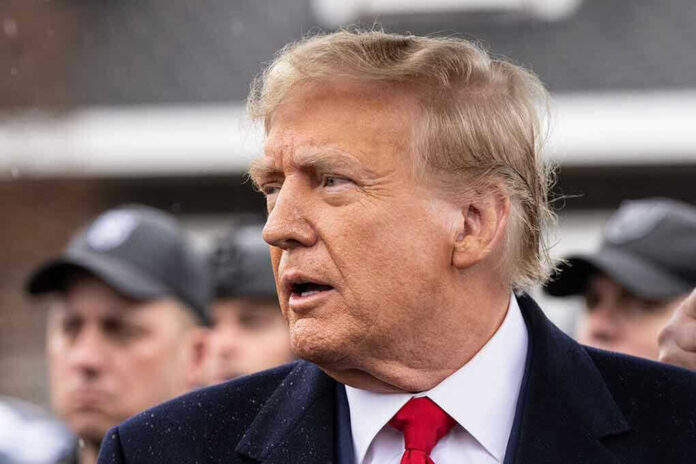
A tense press gaggle put President Trump face‑to‑face with a female reporter pressing him on two hot points: Fox host Pete Hegseth and a controversial Venezuelan boat strike. The moment called for a straight answer on national security and media influence. Instead, Trump pivoted to labeling her “obnoxious,” echoing his earlier “quiet piggy” jab at another woman on Air Force One. The story stopped being about Venezuela and Hegseth and became about humiliation on camera.
Trump calls female reporter ‘obnoxious’ after questions on Hegseth and the Venezuelan boat strikehttps://t.co/cMuYvNCE77
— Fllics (@fllicsofficial) December 8, 2025
That shift is not accidental. Politicians have always dodged hard questions, but Trump refined a simple tactic: if the question threatens, attack the questioner. With women, he often adds a layer of mockery about tone or demeanor. That works because it turns policy scrutiny into personality drama, which cable panels eagerly amplify. The conservative question here is not about manners; it is about whether that deflection leaves voters less informed about real decisions made in their name.
Why Hegseth and Venezuela Mattered More Than the Insult
The reporter’s focus on Pete Hegseth and the Venezuelan boat strike was not random. Questions about whether a media ally shapes a president’s worldview, and how that worldview guides decisions in a volatile Latin American crisis, go to the heart of American interests and taxpayer risk. When a president brushes this off as “obnoxious,” he sidesteps the public’s right to understand who influences him and how far he is willing to escalate abroad.
From a conservative, common‑sense standpoint, citizens expect toughness with enemies and clarity with allies, but they also expect transparency about why force is used. The Venezuelan episode raised concerns about mission creep and unintended conflict close to America’s backyard. Serious leaders usually seize such questions to reassure the country. Trump’s choice to belittle the reporter instead suggested that maintaining dominance in the room mattered more than calming doubts about judgment, process, and restraint.
Gender, Respect, and the “Quiet Piggy” Pattern
The “quiet piggy” remark on Air Force One did not vanish when the wheels touched down; it lingered in the public mind as another data point in Trump’s history with women who challenge him. Calling one reporter “quiet piggy” and another “obnoxious” sets a pattern many viewers recognize instantly: disagreement becomes justification for personal degradation. For older Americans who remember more restrained presidents, this is not merely “tough talk”; it erodes the dignity associated with the office.
American conservative values emphasize personal responsibility, self‑control, and respect for women in public and private life. When a president chooses schoolyard taunts over disciplined answers, the behavior clashes with those values, regardless of party. Supporters may argue he only hits back when provoked, but the underlying facts show the same thing each time: the provocation is almost always a straightforward, substantive question. The country never hears a real explanation; it hears how defective the questioner supposedly is.
What This Means for the Press and the Presidency
Every press gaggle now doubles as a stress test of whether the press corps will accept insult as the price of entry. If reporters soften to avoid verbal punishment, the presidency grows less accountable. If they press harder, the exchanges grow more toxic but the public keeps a small window into how power operates when challenged. This latest confrontation over Hegseth and Venezuela sharpened that dilemma by tying media influence, foreign policy, and misogynistic rhetoric into one combustible clip.
Conservatives who care about limited government and constitutional balance should take this seriously. The Founders assumed a contentious press would harass those in power with uncomfortable questions. When a president can delegitimize those questions simply by branding a woman “obnoxious” or “piggy,” the deterrent weakens. The long‑term risk is cultural: future leaders, seeing no cost, may treat accountability as optional and basic decency toward critics as expendable collateral in the daily performance of politics.