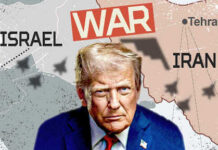
President Trump just drew a red line for Cambodia and Thailand, declaring there will be no more U.S. trade talks until they call off their conflict—leaving the world watching to see who blinks first, and what this means for America’s standing on the world stage.
At a Glance
- Trump demanded an immediate ceasefire between Cambodia and Thailand as a condition for future U.S. trade negotiations.
- The move comes as Trump intensifies his high-stakes diplomatic push in the Middle East, aiming to end the Gaza war and expand the Abraham Accords.
- Recent meetings with Israeli Prime Minister Netanyahu and the lifting of Syria sanctions signal a strategy of transactional diplomacy and American leverage.
- Ongoing resistance from Hamas and regional instability threaten the momentum of these peace efforts.
Trump’s Ultimatum: No Ceasefire, No Trade—America’s Leverage in Action
President Trump issued a blunt warning to Cambodia and Thailand: end your military confrontation or forget about any new U.S. trade deals. Trump’s message was as American as it gets—no deals for countries that can’t keep their own house in order. This stance is a breath of fresh air after years of watching U.S. leadership cave to foreign interests and globalist priorities that left American workers and businesses in the dust. With the Biden administration’s memory fading fast, Trump’s America-first doctrine is roaring back, putting peace and U.S. prosperity ahead of endless hand-wringing and “strategic patience” that never paid off.
Dealmaker: President Donald Trump Tells Cambodia, Thailand They Must Cease Fire Before More Trade Talkshttps://t.co/ma9YGlX0As
— RedState (@RedState) July 26, 2025
The timing couldn’t be more critical. Trump’s ultimatum comes while he’s already juggling a major diplomatic offensive in the Middle East—pushing to end the Gaza war and expand the Abraham Accords. Trump’s critics say his “deal or no deal” approach is too brash, but the facts speak for themselves. Under his watch, the Abraham Accords became a reality, normalizing relations between Israel and multiple Arab states, and now he’s leveraging U.S. economic clout to force the hand of countries that want American trade dollars. It’s about time U.S. leadership put American interests—and peace—back in the driver’s seat.
Middle East Peace Push: Expanding the Abraham Accords, Lifting Syria Sanctions
Trump’s diplomatic campaign in the Middle East is nothing short of bold. After the historic success of the 2020 Abraham Accords, he’s now aiming to bring even more countries, including Saudi Arabia and a newly-led Syria, into the fold. The only thing standing in his way? The ongoing war in Gaza, driven by Hamas’ refusal to come to the table. Trump’s message: no more endless conflict while trying to make deals. His recent executive order lifting U.S. sanctions on Syria is a major play, signaling that America is willing to reward countries moving toward regional stability and cooperation. Once again, he’s using U.S. economic might as both carrot and stick, proving the days of American weakness are over.
Negotiations haven’t been easy. After face-to-face meetings with Israeli Prime Minister Netanyahu in Washington, both U.S. and Israeli negotiators walked out of talks in Qatar when Hamas rejected ceasefire proposals. In classic Trump fashion, he didn’t mince words—blasting Hamas for bad-faith negotiating and making it clear that the U.S. is committed to peace, not endless appeasement. Mediators in Qatar and Egypt may keep the talks going, but Trump’s position is clear: get serious about peace, or get left behind.
America-First Diplomacy: Leverage, Results, and the Real Stakes
Trump’s strategy is pure common sense: leverage America’s economic power to force results. Cambodia and Thailand want access to American markets? They need to prioritize peace. The same principle applies to the Middle East—no more U.S. handouts or trade perks while leaders refuse to negotiate in good faith. Trump’s critics on the left can whine all day about being “too transactional,” but this approach puts America back in control and stops rewarding chaos and dysfunction. The days of subsidizing foreign instability while Americans struggle with inflation, border chaos, and government overreach are over.
The stakes couldn’t be higher. If the Gaza ceasefire materializes, Trump could reshape Middle Eastern alliances and put the U.S. back at the center of global affairs—and not as the world’s ATM. It’s about securing America’s future and legacy, not just for Trump, but for every citizen tired of seeing U.S. leadership squandered by weak-kneed bureaucrats and globalists.
Roadblocks Remain: Hamas, Regional Instability, and the Need for American Strength
The path ahead is loaded with obstacles. Hamas continues to resist any real negotiations, showing once again that peace is impossible without strong, clear-eyed leadership willing to use America’s leverage. Meanwhile, regional tensions—fueled by Iranian meddling and the lingering fallout from years of failed U.S. policy—raise the stakes for every move Trump makes. But unlike the previous administration, Trump isn’t afraid to make tough calls, even if it upsets the globalist crowd or the D.C. cocktail circuit.
Expert analysts and seasoned diplomats agree: Saudi Arabia’s participation is the key to unlocking a broader Middle East peace, but only if the Palestinian issue sees real progress. The lifting of Syria sanctions is a gamble, but it’s the kind of bold, decisive action that has been missing from U.S. foreign policy for years. While some skeptics worry about short-term instability, the long-term payoff could be a truly transformed region—and a world where America leads, not follows.