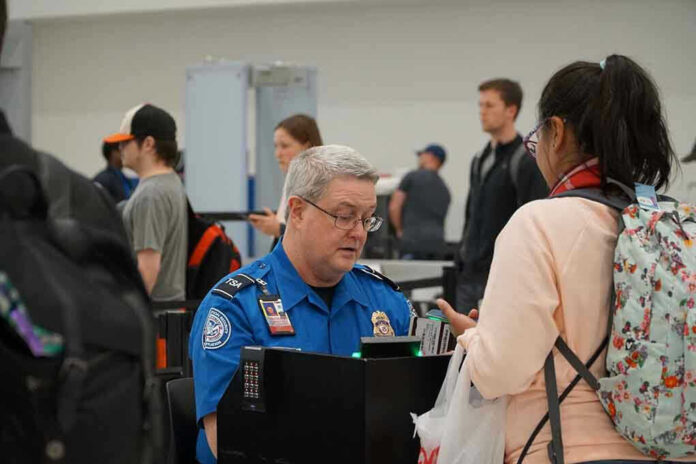
Phishing scams targeting TSA PreCheck applicants are on the rise, luring travelers into traps that could cost them both financially and in terms of personal security.
Story Highlights
- Sophisticated fake TSA PreCheck websites and phishing campaigns are deceiving travelers.
- Scams exploit the urgency and unfamiliarity of the PreCheck process.
- Legitimate TSA PreCheck enrollment is only processed through tsa.gov.
- Multiple consumer alerts have been issued, emphasizing the need for vigilance.
Scam Tactics and Vulnerabilities
Scammers have increasingly sophisticated tactics, creating websites and phishing emails that closely mimic official TSA communications. These scams target both first-time PreCheck applicants and those seeking renewal, exploiting travelers’ urgency and lack of familiarity with the process. The key protection against these scams is understanding that legitimate TSA PreCheck enrollment never requires online payment—applications are processed through the government’s tsa.gov domain.
The rise in these scams coincides with an increase in digital government services and a surge in travel demand post-pandemic. As more travelers seek the convenience of expedited airport security screening, scammers have seized the opportunity to exploit vulnerabilities. Fake websites and emails are nearly indistinguishable from legitimate ones, making it crucial for travelers to verify URLs and avoid unsolicited links.
Impact on Travelers and Agencies
The impact of these scams is significant, resulting in financial loss and identity theft for victims. Many travelers only discover they have been scammed when they are denied expedited screening at airports. This not only disrupts travel plans but also increases anxiety and mistrust among travelers. In response, the TSA and FTC continue to issue public warnings and guidance, emphasizing the importance of using only tsa.gov/precheck for enrollment.
Financial institutions are also involved in fraud detection and remediation for affected customers. While these organizations can offer some protection and support, the rapid proliferation and international origins of scam sites pose challenges for enforcement and prevention. The need for consumer education remains paramount, with ongoing efforts to inform the public about the risks and proper procedures for TSA PreCheck enrollment.
Long-Term Implications and Expert Opinions
In the long term, these scams could erode trust in digital government services, leading to broader identity theft and financial fraud. The increased burden on government agencies and financial institutions for fraud prevention and remediation could result in policy changes or increased regulation of online government service applications. Cybersecurity experts emphasize the importance of consumer education and technical safeguards as essential measures to combat these threats.
Experts also note that as digital government services expand, the opportunities for fraud will continue to grow. While some argue for stricter regulation and faster takedown of scam sites, others stress the need for consumer vigilance and education as the most effective defense. The TSA and FTC continue to collaborate with media and cybersecurity experts to amplify warnings and educate the public.