
The State Department’s unprecedented review of all 53 Mexican consulates across the United States could reshape bilateral relations forever, driven by the deaths of two CIA officers and a diplomatic collision course over cartel violence.
Story Snapshot
- State Department reviews Mexico’s 53 U.S. consulates following April 2026 deaths of two CIA officers in a counter-narcotics operation in northern Mexico
- Secretary of State Marco Rubio holds authority to close offices as tensions escalate over cartel violence and security cooperation failures
- U.S. files drug trafficking charges and extradition requests against high-ranking Mexican officials, including Sinaloa Governor Rubén Rocha Moya
- Review threatens services for over 12 million Mexican nationals and could trigger retaliatory diplomatic measures from Mexico
When American Blood Demands Diplomatic Answers
Two CIA officers lost their lives in April 2026 during a counter-narcotics mission targeting drug labs in remote northern Mexico mountains. The vehicle crash that killed them, along with two Mexican investigators, marked the first confirmed U.S. intelligence fatalities in Mexico operations since the 2011 Fast and Furious scandal. This tragedy catalyzed what diplomats now recognize as a maximum pressure campaign against Mexico’s largest foreign consular network in America. The deaths weren’t just casualties; they became the inflection point for a Trump administration already committed to hardline border and security policies.
The Largest Foreign Consular Network Under Scrutiny
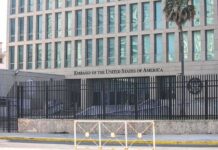
Mexico operates 53 consulates spanning 25 states, the most extensive foreign diplomatic presence on American soil. These offices provide critical services like visa processing, passport renewals, and birth registrations for a diaspora exceeding 12 million people. The State Department’s review, confirmed by Assistant Secretary Dylan Johnson, aligns with the administration’s America First doctrine. Johnson stated the department constantly reviews diplomatic missions to advance American interests, but the scope and timing signal something beyond routine assessment. No previous administration has subjected Mexico’s consular operations to such comprehensive examination, making this an extraordinary diplomatic maneuver.
Cartel Violence Meets Political Pressure
The review coincides with aggressive U.S. legal actions against Mexican leadership. Early May 2026 brought drug trafficking and weapons charges against prominent Mexican figures, most notably Governor Rubén Rocha Moya of Sinaloa, the cartel heartland. These extradition requests echo earlier efforts like the 2023 capture of Ovidio Guzmán, but targeting a sitting governor represents a dramatic escalation. The Trump administration designated major cartels as terrorist organizations in early 2025, providing legal framework for expanded operations. Mexico’s President Claudia Sheinbaum faces domestic cartel challenges while navigating U.S. demands for joint operations, trapped between sovereignty concerns and economic dependence on American trade.
Economic Leverage and Trade Realities
The United States holds overwhelming economic advantages in this diplomatic standoff. Bilateral trade under the USMCA framework exceeds $800 billion annually, and Mexican workers send over $60 billion in remittances home each year. Consulate closures would disrupt these vital services, potentially affecting remittance flows and straining family connections across borders. The Mérida Initiative, a bilateral security cooperation pact, already faces erosion as trust deteriorates. Secretary Rubio, known for hawkish positions on China, applies similar pressure tactics to America’s southern neighbor. The parallels to the 2020 Houston Chinese consulate expulsion over espionage concerns aren’t lost on diplomatic observers.
Consequences Beyond Consular Services
Short-term implications threaten immediate disruption for Mexican-Americans seeking consular assistance in border states like Texas and California. Long-term effects could fundamentally alter regional security cooperation against cartels just when Sinaloa and CJNG violence intensifies. Migration scholars at institutions like the Wilson Center warn of diaspora fallout and potential protests if services vanish. Mexican nationalism could surge in response to what Anadolu Agency and other outlets frame as American aggression, complicating future negotiations. The review also establishes precedent for scrutinizing other nations’ diplomatic footprints, potentially targeting Chinese operations next. This maximum pressure approach gambles that economic leverage will force Mexican compliance on extraditions and anti-cartel efforts.
The America First Calculation
The Trump administration’s strategy makes sense through a conservative national security lens. American intelligence officers died fighting cartels that poison communities with fentanyl and fuel border chaos. Demanding accountability from Mexican officials and leveraging diplomatic presence as negotiating tools reflects common-sense sovereignty protection. Critics in Mexican media miss the fundamental point: cooperative neighbors don’t harbor officials indicted for drug trafficking. The facts support decisive action when bilateral security arrangements fail to protect American lives. Whether this pressure produces genuine cartel crackdowns or merely escalates tensions depends on Mexico’s willingness to prioritize joint action over nationalist posturing. The review’s outcome will test whether economic interdependence can compel the security cooperation that diplomatic niceties couldn’t achieve.
Sources:
State Department Reviews Mexican Consulates – Harian Basis
State Department reviewing all Mexican consulates in U.S. as tensions grow – CBS News
State Department review Mexico consulates US – Washington Examiner
US launches review of Mexican consulates amid growing tensions – Anadolu Agency