
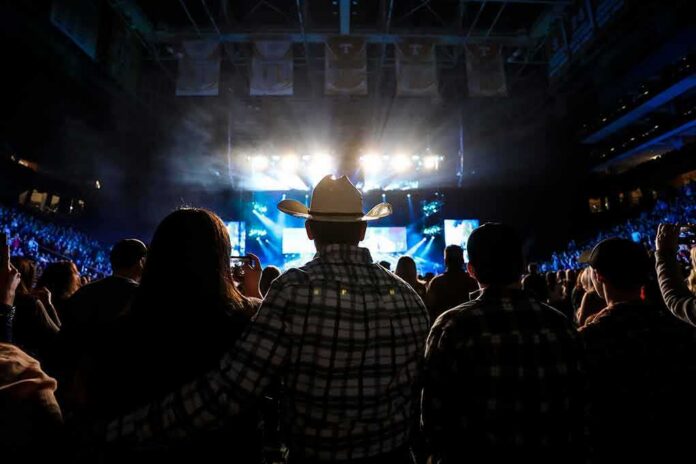
Ella Langley ended a sold-out night before it began because, in her words, a show is never worth a human life.
Story Snapshot
- Langley canceled her Tulsa concert after a threat mentioning guns and bombs.
- She said the safety of fans, staff, and crew drove the decision.
- Police swept the arena multiple times and reported no credible threat.
- The venue said safety for everyone made the show impossible to proceed.
What triggered the sudden shutdown
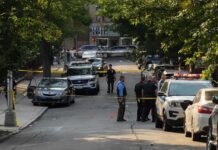
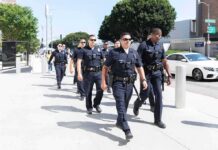
Tulsa Police said a caller warned of “great harm” at the BOK Center, including shots fired and bombs. Officers searched the building more than once, used dogs trained to detect explosives, and briefed show personnel on the results. Ella Langley posted that the concert was canceled due to a serious security threat to fans, venue staff, and her team. She added that the decision came under the advisement of local authorities, the venue, and her security team.
Police shared a clear bottom line after their sweeps: no credible threat at the venue. The BOK Center delivered its own statement and said safety and well-being were the top priority. After careful review, the venue determined the show could not proceed. Fans who had lined up outside learned the event was off. Many were disappointed but left the area as staff implemented the shutdown steps that follow a security cancellation.
How the decision was made under pressure
Langley’s message framed the choice as a moral line. She said the show was not worth a human life and thanked fans for understanding a move no one wanted to make. Police accounts said they informed the performer’s team that searches found no credible threat and left the final call to them. That difference reflects a common setup at live events: law enforcement reports risk findings; the artist, venue, and security decide whether to proceed.
Authorities also described the threat as likely a false bomb call in later reporting. They noted that initial venue checks and follow-up sweeps did not show a present danger. Whether a prank or worse, the words “shots fired and bombs” change risk math in minutes. Once that bell rings, leaders must pick between two bad options: cancel and face blowback, or proceed and bet lives on a fast assessment.
Why cancellation can be the rational call
Risk experts teach that decisions at public venues happen under fog and time pressure. The standard is simple and tough: if you cannot rule out grave harm, you buy time or you stop. This is not cowardice; it is stewardship. Courts and insurers often judge organizers on foreseeability and prudence, not theater. If a specific threat names bombs and guns, and you lack high-confidence clearance, canceling can be the only responsible path consistent with a duty to protect.
History backs that caution. Reviews of concert violence catalog dozens of attacks and attempts across decades. Bombs account for most of the worst cases, and guns follow close behind. Fans remember Manchester, Paris, and Las Vegas, even if events like these are rare. The memory of those failures raises the stakes for every security desk. Conservative common sense says life comes first, property second, and convenience last. You can refund a ticket; you cannot rewind a tragedy.
What this means for fans and the industry
Fans deserve clear communication, swift refunds, and respect for the hit to their plans. Venues and artists owe them more: tight protocols, fast joint briefings with police, and post-incident transparency that explains timing and steps taken. That is how trust survives a scary night. The Tulsa episode shows the right order of operations: sweep, brief, decide, secure, then explain. When the threat mentions bombs and bullets, the safe bet is often the only bet that honors the value of a life.
Sources:
foxnews.com, people.com, abcnews.com, news9.com, yahoo.com
© featuredheadlines.com 2026. All rights reserved.