
A Massachusetts judge refused to free or dismiss a mother’s case while the state still waits on the medical examiner.
Story Snapshot
- The defense asked to dismiss or set $25,000 cash bail with strict terms.
- The state lacks the official cause-and-manner ruling from the medical examiner.
- The judge denied dismissal and bail; the case continues toward a grand jury.
- The defense says delay is unfair; the state says findings are coming within weeks.
What Happened In Court And Why It Matters
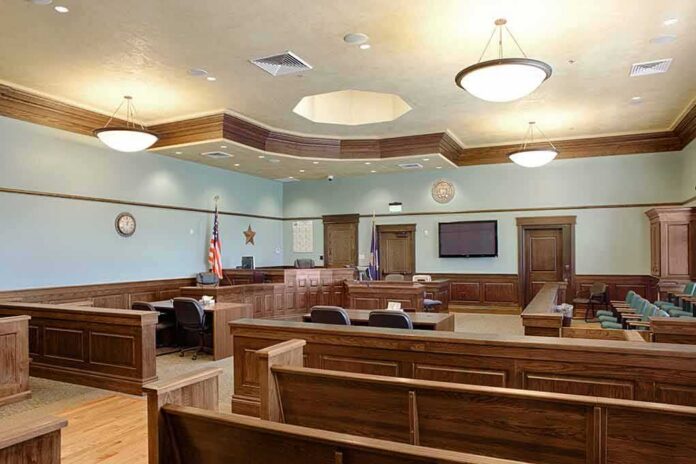
Defense attorney Joseph Krowski told the Dedham District Court the case should be dismissed. He argued prosecutors still do not have the medical examiner’s official ruling on how the children died. He asked for release on $25,000 cash bail if the judge would not dismiss the case. Assistant District Attorney Jennifer Hickman said the state is still waiting on the Office of the Chief Medical Examiner’s report and needs it to proceed. Judge Jeanmarie Carroll denied both requests and kept the case on track.
Prosecutors said a grand jury already met, but they will recall it after the medical examiner releases findings expected within weeks. The state then plans to move the case to Norfolk Superior Court for indictment and arraignment. The court continued the matter and kept the defendant held without bail. The judge’s ruling signals the case is alive and moving, even as the key forensic report remains pending.
The Defense Strategy: Use The Delay, Push For Release
The defense framed the delay as government-caused and unfair. Counsel argued the mother should not lose her liberty while agencies “get their act together,” pointing to months without a cause-of-death ruling. He also raised her mental health history and urged prosecutors to rethink a maximum-penalty path. That pitch aims to recast the debate from guilt to timing, treatment, and caution. The judge heard the plea but rejected dismissal and bail for now.
The record shows the probable-cause hearing was continued earlier in the summer and later reset, part of the wider timeline that fuels today’s complaints about delay. Prosecutors counter that they have turned over substantial discovery and that the missing piece is the medical examiner’s official call on manner and means of death. They argued that ruling is central to the case and worth the wait before recalling the grand jury.
How Massachusetts Law Sees Delay, Dismissal, And Bail
Massachusetts dismissal law sets a high bar. Courts usually require proof of unreasonable delay caused by the prosecution and concrete harm from that delay. Defense-caused or agreed delays do not count toward the clock. Time tied to key proceedings, like expert findings, can be excluded. Judges often deny dismissal when the state shows a plan to proceed once a short, defined step finishes. That is the state’s position here: finish the medical ruling, recall the grand jury, then indict.
Massachusetts mother Janette MacAusland, 49, accused of murdering her two young children, faces calls for case dismissal over profound mental health history. ⚖️🚨 https://t.co/1J6yzUSBVV
— Avery (@AdamTurneriqqc) September 10, 2026
Bail decisions hinge on danger, flight risk, and the weight of evidence. Judges also look at practical release plans. Conditional release can work if there is strong monitoring and treatment. The defense asked for cash bail and conditions. The judge said no. That choice reflects the stakes of a double-murder case and the uncertainty while awaiting the medical examiner’s decision. The court left a door open only after the next milestone lands, not before.
What To Watch Next And Why It Could Flip The Board
The medical examiner’s report is the pivot. A clear manner-and-means ruling gives prosecutors a stronger hand and speeds the grand jury. A result that muddies cause or timing could hand the defense new arguments for release or leverage on charges. A detailed mental health evaluation filed by the defense could also shape the bail debate. Until then, the judge’s ruling keeps the focus on public safety and process, not narrative battles in the press.
Sources:
townhall.com, theswellesleyreport.com, bostonglobe.com, dailymail.com, youtube.com, mass.gov, serpalaw.com
© featuredheadlines.com 2026. All rights reserved.