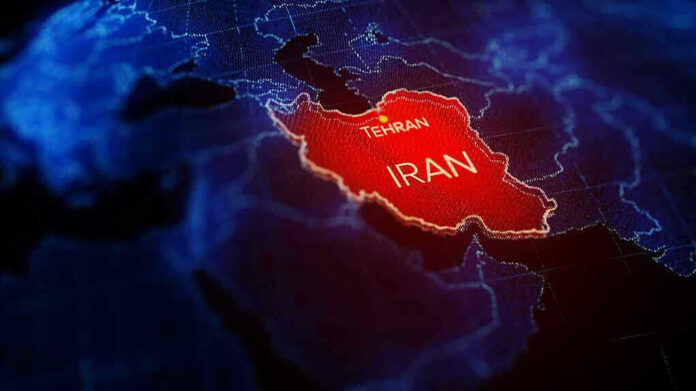
Iran’s Supreme Leader finally admitted “several thousand” deaths in raging protests, then shockingly pinned the blame on President Trump for sparking the bloodshed.
Story Snapshot
- Ayatollah Ali Khamenei acknowledges unprecedented death toll of several thousand in anti-government protests, deadliest since 1979 Revolution.
- Protests ignited by rial currency collapse on December 28, 2025, evolved into calls for regime overthrow.
- Nationwide internet blackout over 200 hours hid the scale; human rights groups report 2,586-3,090 deaths.
- Khamenei blames U.S. and Trump for “inhuman” killings while threatening no mercy for “criminals.”
- Trump demands new leadership in Iran amid threats of military action and halted executions.
Protests Ignite from Economic Collapse
Protests exploded in Tehran on December 28, 2025, after Iran’s rial currency crashed, slashing purchasing power overnight. Demonstrators initially demanded economic relief. Anger swiftly turned against Supreme Leader Ayatollah Ali Khamenei and the theocratic regime. Crowds chanted for his ouster, marking the boldest challenge in decades. Security forces cracked down hard, transforming bread riots into a revolutionary firestorm.
Internet Blackout Shields Brutal Crackdown
Authorities imposed a nationwide internet shutdown on January 8, 2026, severing 92 million Iranians from the world. This blackout lasted over 200 hours, exceeding the 2019 protests’ duration. Hospitals quietly reported up to 6,000 protester deaths in just three days. Human Rights Activists News Agency tallied 2,586 killed by January 14, including 2,417 protesters, 12 children, and 10 civilians. Over 20,000 arrests followed.
HRANA raised the toll to over 3,090 by January 16. Iranian officials later claimed 5,000 total deaths, with 500 security personnel among them. The shroud of silence fueled global suspicion. Starlink smuggled footage showed mass bodies at forensic centers, piercing the regime’s veil.
Khamenei’s Rare Admission and Blame Shift
On January 17, Khamenei broke silence in a broadcast address. He conceded “several thousand people” died, some “brutally and inhumanely.” Yet he accused President Trump and the U.S. of inciting unrest and causing the carnage. Khamenei vowed no war but promised punishment for “domestic or international criminals.” This pivot from denial exposed regime fragility. Common sense reveals this as classic deflection—own the bodies, blame the outsider.
Judiciary chief Gholamhossein Mohseni-Ejei defied Trump by announcing fast trials and executions for detainees. Iran paused over 800 potential hangings after U.S. pressure. Khamenei’s words align with Tehran’s playbook: externalize failure while crushing dissent at home.
Trump’s Defiant Response Heightens Stakes
President Trump fired back, calling for “new leadership in Iran” and slamming Khamenei for slaughtering thousands to cling to power. Trump had warned of “very strong action” against executions, positioning the USS Abraham Lincoln toward the Middle East. This standoff evokes maximum pressure doctrine—hold tyrants accountable. Facts support Trump’s stance: regimes like Iran’s thrive on brutality, not ballots. American interests demand exposing such lies.
Geopolitical tensions simmer. Iran fingers Israel too, without proof. Human rights groups provide credible tallies, underscoring disproportionate force against civilians. The crisis dwarfs 2019 unrest, rivaling 1979’s chaos.
Escalating Risks to Region and World
Over 20,000 detainees face trials amid partial internet restoration. Khamenei warned war would wreck the global economy. Short-term, humanitarian disaster looms with execution threats. Long-term, regime legitimacy crumbles as cracks appear in information control. Protesters’ mass defiance signals deep rot. U.S. resolve could tip the scales toward freedom—or spark wider conflict. History judges leaders by such moments.
Sources:
Iranian judge signals trials and executions as activists say death toll surpasses 2,500