One passenger’s bomb threat on a routine United Airlines flight unleashed a cascade of chaos, fear, and an emergency landing—reminding us how quickly ordinary travel can descend into crisis.
Story Highlights
- A bomb threat on United Airlines flight UA380 forced an emergency landing in St. Louis, halting all normal operations.
- No bomb was found, but a 26-year-old male suspect was arrested after claiming his wife’s luggage contained explosives.
- Passengers evacuated swiftly, the airport’s emergency response reached full throttle, and the incident exposed persistent vulnerabilities in aviation security.
- The event sparked renewed scrutiny of airline protocols and heightened anxiety among travelers, despite zero injuries.
Bomb Threat Derails Routine Flight—A Crisis Unfolds
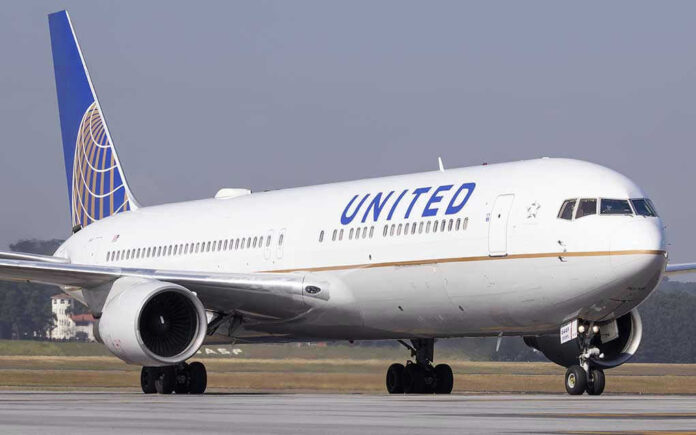
United Airlines flight UA380, a Boeing 737-700, departed Dallas on November 16, 2025, bound for Chicago. About forty minutes in, the ordinary hum of air travel was shattered when a male passenger declared there was a bomb in his wife’s luggage. Pilots immediately declared a general emergency, diverting the plane to St. Louis Lambert International Airport. As the aircraft descended, passengers and crew braced for the worst—an ordeal that would test both nerves and protocols.
Upon landing safely on runway 29, emergency teams mobilized. Passengers were evacuated to the B concourse, a move executed with brisk efficiency as authorities prepared for any outcome. The suspect, a 26-year-old man, was arrested on the spot. Lambert’s bomb and arson unit initiated a comprehensive search of the aircraft. The threat, though ultimately groundless, triggered a wave of disruption, anxiety, and a heightened sense of vulnerability among all involved.
Emergency Response Shows Strength—and Exposes Frailty
Airport director Rhonda Hamm-Niebruegge praised the coordinated response that ensured no one was harmed. Law enforcement and airport staff executed their roles precisely, but the incident revealed how easily a single passenger can trigger a crisis. United Airlines, one of the nation’s largest carriers, followed established emergency protocols, but the event raised pressing questions about the effectiveness of current security measures and passenger screening practices.
Incidents like this are rare but increasingly visible, especially as passenger volumes rebound post-pandemic. Previous disruptions, such as a recent Jet 2 plane scare in Merseyside, underscore a trend—a rise in disruptive behavior and threats. Each event prompts the aviation industry to reassess procedures, balancing safety against the need for efficient travel. The psychological toll on passengers and crew, even in the absence of physical danger, remains a lingering concern.
Passengers, Crew, and Investigators Grapple With Aftermath
The arrested suspect’s motives remain unclear, fueling speculation and ongoing investigation. While no bomb was discovered, the rapid escalation from threat to full-scale emergency highlights the unpredictable nature of air travel. Passengers endured delays, confusion, and anxiety as they were held in the B concourse, awaiting clearance. Airport operations resumed, but the ripple effects—flight delays, schedule disruptions, and economic fallout—extended beyond the immediate crisis.
United flight forced to make emergency landing in St Louis after passenger made bomb threat, report says | The Independent https://t.co/RtJBITyoV0
— FireandAviation TV (@FireandAviation) November 17, 2025
For United Airlines and the broader industry, reputational stakes run high. The incident serves as a stark reminder of the persistent gap between perceived and real security risks. Calls for stricter pre-boarding screening and mental health assessments echo among experts, but others caution against overreacting to isolated incidents, noting that genuine threats remain statistically rare. The challenge lies in finding a middle ground that reassures the public without encumbering travel with excessive barriers.
Aviation Security Under Renewed Scrutiny
Industry analysts and security professionals emphasize the importance of rapid response, thorough screening, and ongoing vigilance. The coordinated effort by airport authorities, law enforcement, and airline staff demonstrated effectiveness but also illuminated areas needing improvement. The psychological impact on passengers and crew—marked by anxiety and uncertainty—fuels debates about how best to protect travelers while preserving the flow of commerce and convenience.
As the investigation continues, the event’s broader legacy remains unclear. Will this incident prompt substantive changes in airline and airport security protocols? Will travelers become more anxious, or simply more resigned to the realities of modern air travel? The answers will emerge in the months ahead, shaped by policy makers, industry leaders, and the flying public. For now, one thing is certain: the line between routine and emergency in aviation is thinner than most care to admit.