Turmoil has erupted at the CDC after its director was abruptly fired for refusing to rubber-stamp controversial vaccine directives, triggering a mass exodus of senior agency leaders and raising new alarms about government overreach into America’s public health institutions.
Story Snapshot
- CDC Director Susan Monarez was fired after less than a month for refusing to implement HHS Secretary Kennedy’s vaccine policy demands.
- Three top CDC officials immediately resigned in protest, leaving a leadership vacuum at the nation’s leading health agency.
- The White House’s direct involvement in the firing has sparked national debate about the independence of public health agencies.
- Legal and constitutional questions loom over the firing of a Senate-confirmed CDC director.
CDC Leadership Purged After Vaccine Policy Showdown
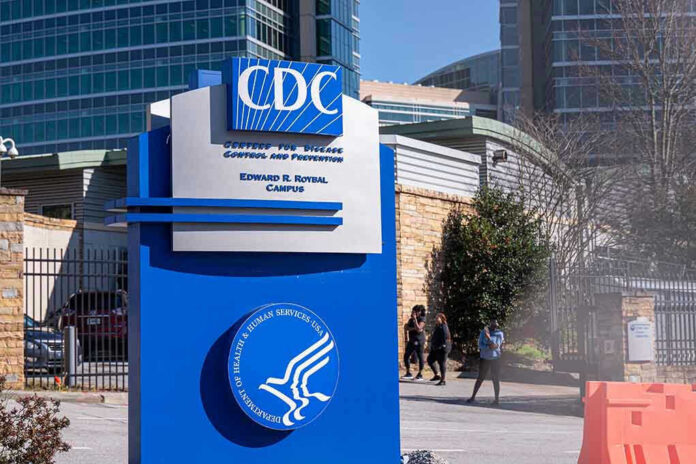
On August 27, 2025, Susan Monarez, PhD, was removed from her post as director of the Centers for Disease Control and Prevention. Her dismissal came after a direct clash with Health and Human Services Secretary Robert F. Kennedy Jr. over vaccine policy, as Monarez refused to implement directives she viewed as scientifically unsound. The White House’s decision to back Kennedy and remove Monarez set off a chain reaction within the CDC, with three top officials—Debra Houry, Demetre Daskalakis, and Daniel Jernigan—resigning in protest within 24 hours. This unprecedented shake-up has left the CDC’s leadership in crisis at a time when public trust in institutions is already dangerously low.
The CDC, founded in 1946, has long prided itself on scientific independence, even under political pressure. Yet in recent years, the agency has faced mounting interference, most notably during the COVID-19 pandemic. The appointment of Kennedy, a known vaccine skeptic, as HHS Secretary signaled a new and more direct form of political control. Monarez’s firing marks the first time in history a Senate-confirmed CDC director was dismissed for refusing to comply with political demands, a move that has alarmed career public health professionals and constitutional scholars alike. Staff demonstrations broke out at CDC headquarters, reflecting widespread internal opposition to the White House’s actions.
Political Interference and Erosion of Scientific Integrity
Monarez and other senior leaders cited scientific integrity as their motivation for resisting Kennedy’s orders, while the administration pushed for rapid changes to federal vaccine policy. Their resignations underscore a deepening rift between scientific experts and political appointees seeking compliance over evidence-based policy. Former CDC officials, including Tom Frieden and Anne Schuchat, have publicly condemned the firings and warned of severe risks to national health security. The American Public Health Association’s leadership called for Monarez’s reinstatement and voiced concern that the CDC’s ability to protect Americans is now in jeopardy.
This power struggle also raises serious legal questions. Monarez’s attorneys argue that, as a Senate-confirmed official, only the president has the authority to remove her, not the HHS Secretary. The resulting uncertainty threatens to further destabilize the CDC and could set a dangerous precedent, making it easier for future administrations to purge independent agency heads who refuse to toe the political line. This is precisely the kind of government overreach and disregard for checks and balances that conservatives have long warned against.
Consequences for Public Health and Constitutional Governance
The fallout from these events extends well beyond the CDC’s Atlanta headquarters. State and local health agencies that rely on CDC expertise and funding now face uncertainty, and the sudden loss of experienced leadership threatens to disrupt critical public health programs. Legal experts predict possible court challenges over the firing, and there are growing fears that the CDC’s credibility—already damaged by years of controversy—will be further eroded on the world stage. International partners may question America’s commitment to science-driven health policy, compounding the risk to both domestic and global health security.
CDC director Susan Monarez fired, other agency leaders resignhttps://t.co/i7FUVryP4Q pic.twitter.com/C7G5ZAj4Gr
— The Washington Times (@WashTimes) August 28, 2025
For conservatives concerned about constitutional government and resistance to bureaucratic overreach, the CDC’s turmoil is a wakeup call. The events highlight the ongoing struggle to restore accountability and transparency to federal agencies after years of politicized mismanagement. The rapid resignations in protest serve as a stark reminder: when scientific integrity collides with ideological agendas, the very foundations of public trust and effective governance are put at risk. The nation must now grapple with the consequences of this episode and demand safeguards that preserve both public health and constitutional values.
Sources:
CDC director fired after she refused to rubber-stamp Kennedy’s vaccine directives
Attempt to oust CDC director sparks key resignations by agency officials
Ranking Member Zoe Lofgren Condemns White House Firing of CDC Director Monarez