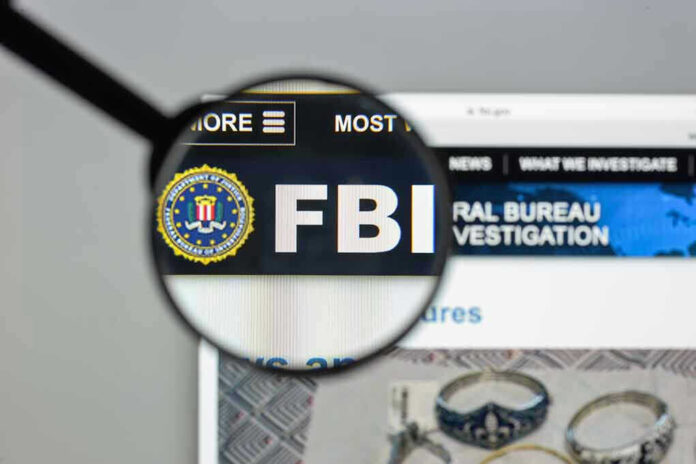
The FBI arrested the alleged ringleaders of a mob that stormed a Minnesota church during Sunday worship, turning a sanctuary into a political battlefield and leaving children terrified in the pews.
Story Snapshot
- Anti-ICE protesters disrupted a St. Paul church service on January 18, 2026, targeting a pastor who serves as acting ICE field office director
- Attorney General Pam Bondi announced FBI arrests of activist Nekima Levy Armstrong and school board member Chauntyll Louisa Allen by January 22
- The church invasion marked the first interior worship disruption during Operation Metro Surge, which has resulted in over 2,000 immigration enforcement arrests
- Federal prosecutors are pursuing civil and criminal charges for desecration of a sacred space and intimidation of worshippers
- The incident escalates tensions between federal immigration enforcement and Minnesota state officials, who face federal subpoenas
When Protest Crosses the Threshold
Cities Church in St. Paul became ground zero for a confrontation that federal authorities say crossed every line. Protesters burst through the doors during Sunday morning worship, blowing whistles, shouting slogans like “ICE out” and “Justice for Renee Good,” and livestreaming the chaos on social media platforms. Pastor Jonathan Parnell stood at the pulpit as families with young children witnessed what he later called a shameful and unlawful assault on religious freedom. The demonstrators had a specific target: Pastor David Easterwood, who holds dual roles as a church leader and acting director of the ICE St. Paul field office.
The disruption stemmed from Operation Metro Surge, an aggressive DHS-led immigration enforcement campaign in the Twin Cities. Tensions exploded after January 7, when ICE agents fatally shot Renee Good, a 37-year-old woman authorities say impeded arrests by blocking agents with her SUV. Protesters led by Nekima Levy Armstrong, an ordained reverend and civil rights activist, rejected the official narrative. They framed the church action as moral accountability against what Armstrong called ICE atrocities, questioning the theology of a pastor overseeing raids that separated families and ended in a civilian’s death.
Federal Hammer Falls on Activists
Attorney General Bondi wasted no time turning promises into arrests. She spoke directly with Pastor Parnell hours after the disruption, vowing federal prosecution for what she characterized as a horrific attack on both worship and law enforcement. By Thursday, January 22, the FBI had arrested Armstrong and Chauntyll Louisa Allen, a local school board member connected to the protest. Bondi told Fox News that Minnesota had become “a mess right now,” pointing fingers at state leaders including Governor Walz and Minneapolis Mayor Frey for inflammatory rhetoric she claims enables chaos.
The DOJ deployed Assistant Attorney General Harmeet Dhillon to investigate potential civil rights violations, coordinating FBI, DEA, and ATF resources to bolster federal presence in the region. Bondi’s message was unambiguous: no one is above the law, regardless of their cause or credentials. The federal response signaled a shift from street clashes, which had become routine during Operation Metro Surge, to prosecuting direct interference with worship. This marks the first church interior disruption since the immigration crackdown began, elevating the stakes for activists who previously targeted ICE personnel at hotels and public spaces.
Colliding Worldviews in the Sanctuary
The church disruption exposed a fundamental clash over the boundaries of protest and the separation of civic duty from religious life. Pastor Easterwood’s dual role places him at the intersection of immigration enforcement policy and Christian ministry, a position protesters argue disqualifies moral authority. Armstrong dismissed the DOJ probe as a sham, insisting that scrutiny should focus on ICE’s “barbaric” actions rather than activist tactics. Black Lives Matter Minnesota echoed her stance, framing the church action as necessary confrontation against a pastor leading raids they view as human rights abuses.
AG Bondi Announces Arrests of Suspects Who Mobbed Minneapolis Church
https://t.co/omLd5bQeHf— Townhall Updates (@TownhallUpdates) January 22, 2026
Federal authorities and faith leaders see it differently. Kevin Ezell, president of the North American Mission Board, publicly thanked the DOJ and local law enforcement for defending religious liberty. Pastor Parnell emphasized that the disruption violated both law and Scripture, arguing that protest does not grant license to desecrate sacred spaces or terrorize families at worship. The incident has sent ripples through Christian communities nationwide, raising questions about whether pastors in law enforcement or military roles will face similar targeting. Church families reported children frightened by the shouting and whistles, a detail Bondi highlighted when calling the event horrific.
Precedent and Political Fallout
The arrests could establish a legal precedent for prosecuting protest tactics inside houses of worship, potentially chilling direct action strategies that blur the line between accountability and intimidation. Federal subpoenas issued to Minnesota officials signal that the DOJ views state leadership as complicit in creating conditions for unrest. Bondi’s rhetoric frames the church disruption within a broader narrative of sanctuary state defiance, positioning federal intervention as necessary to restore order where local authorities allegedly fail. Over 2,000 arrests during Operation Metro Surge have already strained state-federal relations, and the church incident adds religious liberty to an already volatile mix.
The long-term implications extend beyond Minneapolis. Prosecuting Armstrong, a prominent civil rights figure, and Allen, an elected school board member, tests whether activist credentials provide insulation from federal charges. Their arrests demonstrate that the current administration will not exempt protest leaders from accountability, even when their causes resonate with progressive constituencies. For activists, the crackdown may discourage future disruptions of worship but could also galvanize support by framing defendants as political prisoners. The church at the center stands as both victim and symbol, its sanctuary violated in a conflict where neither side shows signs of retreat.
Sources:
Federal probe underway into Minnesota church protest – Religion Unplugged
Bondi vows accountability after church attack, says Minnesota ‘a mess right now’ – Fox News
FBI arrests activist and school board member over St. Paul church ICE protest – Times of India