

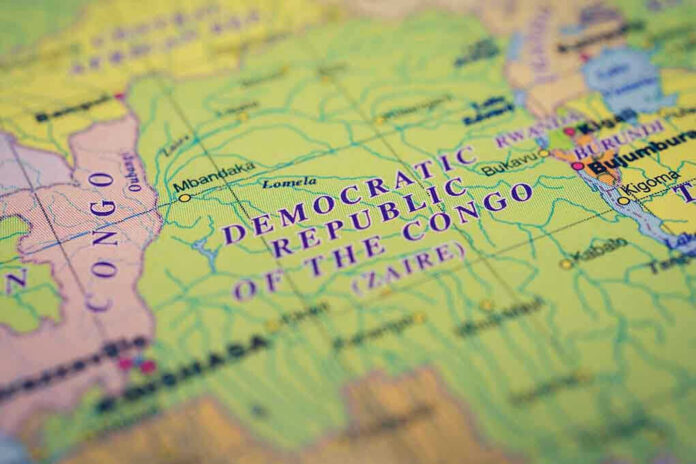
A deadly Ebola outbreak in Congo has claimed dozens of lives while health officials desperately warn that funding shortages could unleash a catastrophic spread of the world’s most lethal virus strain.
Story Snapshot
- 81 confirmed cases and 28 deaths reported from deadly Zaire ebolavirus strain in Congo’s Kasai Province
- Healthcare workers among the dead as outbreak spreads across multiple health zones
- WHO demands $21 million emergency funding as officials warn inadequate resources threaten containment
- Outbreak involves same virus strain that killed over 11,000 in West Africa’s 2014-2016 epidemic
Deadly Strain Spreads Rapidly Across Multiple Regions
The Democratic Republic of Congo declared an Ebola outbreak on September 4, 2025, after laboratory confirmation of the highly lethal Zaire ebolavirus strain. Starting with a pregnant woman who died at Bulape General Reference Hospital on August 25, the outbreak has exploded to 81 confirmed cases and 28 deaths by mid-September. The disease has spread across five health zones including Boulapé, Mweka, Kakenge, Mushenge, and Dekese, demonstrating rapid transmission that alarms health experts.
Healthcare workers have died in alarming numbers, indicating dangerous nosocomial transmission within medical facilities. This pattern threatens to collapse local health services precisely when they’re needed most. The Zaire strain carries the highest case fatality rates of all Ebola variants, making this outbreak particularly dangerous for affected communities and medical personnel alike.
Critical Funding Shortfall Threatens Global Security
The World Health Organization has issued urgent appeals for $21 million in emergency funding as DRC health officials warn that resource shortages are severely hampering containment efforts. This funding crisis represents a direct threat to global health security, as inadequate response capabilities could allow the outbreak to spread beyond Congo’s borders. WHO currently assesses national risk as high and regional risk as moderate, but these assessments could rapidly worsen without proper resources.
Community displacement due to violence and instability in Kasai Province is complicating contact tracing and surveillance efforts. Limited healthcare infrastructure in this remote region, combined with funding shortages, creates perfect conditions for uncontrolled viral spread. The outbreak occurs in an area with previous Ebola experience, including deadly outbreaks in 2007 and 2008, yet infrastructure remains woefully inadequate.
International Response Urgently Needed to Prevent Catastrophe
Genomic sequencing confirms this represents a new zoonotic spillover event, meaning the virus jumped from animals to humans independently of previous outbreaks. This finding underscores the ongoing threat of Ebola emergence in regions with poor surveillance and limited medical capacity. The rapid case increase from the index case on August 20 to 81 confirmed cases by September 14 demonstrates how quickly this deadly virus can spread without adequate containment measures.
As a deadly new Ebola outbreak kills dozens in southern Congo, health authorities and organizations are sounding the alarm #APInternational https://t.co/8C5nlHsAIJ
— KTVE – KARD (@MyArkLaMiss) September 25, 2025
American conservatives should recognize this outbreak as a reminder of why strong border security and pandemic preparedness matter for national security. While WHO assesses global risk as low, history shows how quickly infectious diseases can spread in our interconnected world. The Trump administration’s focus on America First policies includes protecting Americans from foreign health threats that could overwhelm our healthcare system and economy if allowed to spread unchecked.
Sources:
2025 Kasaï Province Ebola outbreak – Wikipedia
WHO Disease Outbreak News – Ebola virus disease, Democratic Republic of the Congo
CDC Health Alert Network – Ebola Outbreak in the Democratic Republic of the Congo
Nature – Ebola outbreak in Congo kills dozens as health officials warn of lack of funds