T-Mobile’s abrupt scrapping of all DEI programs while hunting for green lights from the FCC on two blockbuster deals is turning heads and igniting debate about just how far corporations will go to stay in Washington’s good graces.
At a Glance
- T-Mobile axes every last DEI initiative as it seeks FCC approval for major acquisitions.
- Employees in DEI roles are reassigned, while the company scrubs DEI from all public-facing materials.
- FCC Chairman Brendan Carr applauds the move as a win for equal opportunity, but dissenting voices call it a cynical ploy.
- The rollback sets a precedent, as other major companies face pressure to dump DEI for regulatory favor.
T-Mobile’s DEI U-Turn: A Business Decision or a Regulatory Surrender?
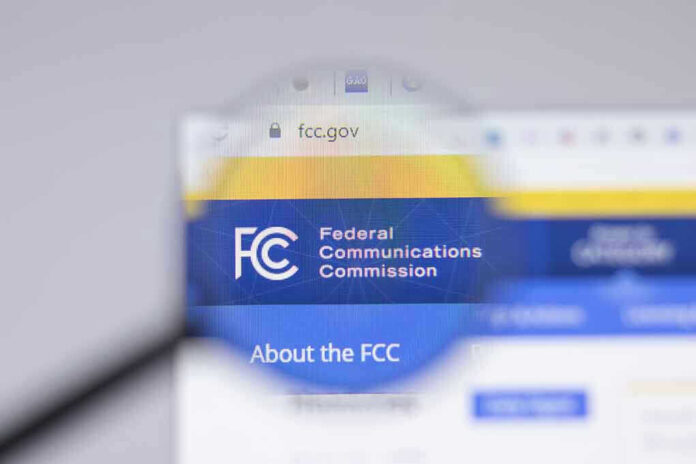
T-Mobile, a company that once trumpeted its commitment to “diversity, equity, and inclusion,” has now decided that DEI is too risky a bet in the current regulatory environment. The company notified the FCC on July 9, 2025, that it is ending all DEI programs “not just in name, but in substance.” Several staff dedicated to DEI have been shuffled into bland HR “culture and engagement” roles, while the term itself is being quietly erased from every bit of company literature, website, and training material in sight. This strategic about-face comes as T-Mobile tries to secure FCC approval for two headline-grabbing deals: the $4.4 billion acquisition of U.S. Cellular’s wireless operations and a joint venture with KKR to buy and run Metronet, a fiber-optic internet provider.
Leadership insists this move is all about “aligning with the changed legal and policy landscape.” Translation: the company is bending to a regulatory and political wind blowing in from a more conservative FCC. Chairman Brendan Carr, never shy about his disdain for DEI, praised T-Mobile’s decision as a “good step forward for equal opportunity, nondiscrimination, and the public interest.” Meanwhile, on the other side of the aisle, Democratic Commissioner Anna M. Gomez called the move “a mockery” of the company’s supposed values, seeing it as a cynical attempt to win regulatory approval. The irony here is as thick as ever—corporate values, it seems, are negotiable when billions are on the table and government regulators are holding the cards.
Regulators Dictate Corporate Culture: A New Industry Playbook Emerges
The FCC’s growing influence over not just telecom mergers but also internal corporate culture is on full display. Under Chairman Carr, the Commission has made it clear that DEI programs—once considered best practice in corporate America—are now viewed as potential liabilities. The message: if you want your deals approved, you’d better scrub your DEI. This isn’t just a T-Mobile story. Verizon set the tone back in May 2025 by agreeing to gut its own DEI initiatives to win approval for its merger with Frontier. Now, the dominoes are falling across the industry, with Amazon, Google, Salesforce, Target, and Walmart all scaling back DEI programs as federal scrutiny intensifies.
The new reality for corporate America: DEI is out, nondiscrimination is in, at least if you want to do business with Uncle Sam. Legal scholars say the changing climate—including recent Supreme Court decisions and shifting federal guidance—makes DEI programs a legal minefield, especially for companies in regulated industries. Some say this protects equal opportunity and shields companies from lawsuits. Others argue it’s a retreat from progress, undermining years of effort to level the playing field.
Fallout: Who Wins, Who Loses, and What Comes Next?
The immediate casualties of T-Mobile’s policy reversal are its own employees who worked on DEI initiatives. They’ve been reassigned, their work erased, and the company’s public statements on inclusion have been memory-holed. For underrepresented groups, it means reduced support and a clear message that, in today’s regulatory climate, diversity takes a back seat to deal-making. T-Mobile’s leadership claims it remains committed to equal opportunity, but that commitment no longer includes anything that might upset the FCC.
This episode sets a precedent for other companies under the federal microscope. The lesson is clear: when bureaucrats in Washington frown, corporations fold—no matter how many glossy brochures they once printed about inclusion and belonging. As T-Mobile’s deals remain under FCC review, the entire industry is watching to see if DEI’s demise is the price of doing business in the new America. If this is the new “public interest,” one wonders just whose interests are really being served.