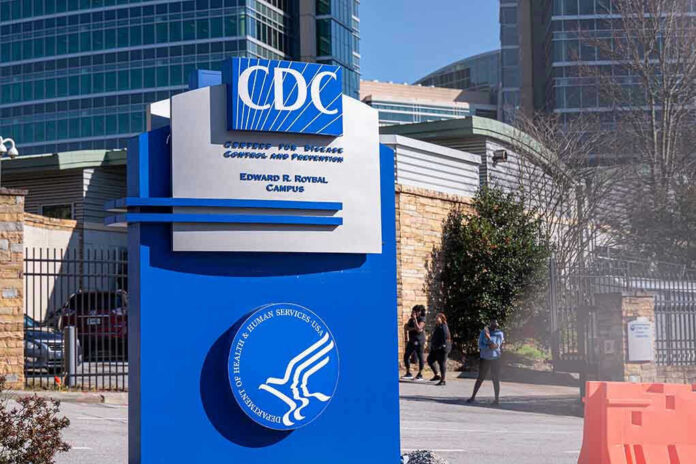
Analysis of CDC Director’s Firing and TestimonyA Senate hearing exposes potential threats to scientific integrity as the CDC faces political interference.
Story Snapshot
- CDC Director Dr. Susan Monarez fired after less than a month in office.
- Allegations against Health Secretary Robert F. Kennedy Jr.’s interference with CDC policies.
- Senate investigation into the politicization of federal health agencies.
- Concerns about the impact on public trust in health guidance.
Allegations of Political Interference at the CDC
Dr. Susan Monarez, the former CDC Director, testified before the Senate Health Committee, accusing Health Secretary Robert F. Kennedy Jr. of dismissing her due to ideological differences. She claimed that Kennedy sought to override scientific advice, particularly regarding vaccine policy, by infusing personal beliefs over evidence-based practices. This testimony raises significant concerns about the politicization of the CDC and the potential erosion of its scientific integrity.
Monarez’s dismissal, occurring less than a month after her appointment, marks a rapid and unprecedented turnover in CDC leadership. This situation underscores a broader pattern of turmoil within the agency, highlighted by a wave of resignations and firings. The Senate Health Committee, led by Sen. Bill Cassidy, is probing these leadership changes, seeking to ensure accountability and transparency within federal health agencies.
Kennedy’s Controversial Approach
Robert F. Kennedy Jr.’s tenure as Health Secretary has sparked controversy, primarily due to his well-known skepticism of vaccines. His decision to remove Monarez is justified by claims of her having “conflicts of interest and catastrophically bad judgment.” However, Monarez and her allies argue these actions reflect a deeper intent to suppress scientific dissent and promote personal ideology over established health policies. This conflict highlights ongoing debates around vaccine policy and the influence of political appointees in public health leadership.
The hearing has amplified concerns within the scientific community about the potential long-term implications of Kennedy’s approach. Many experts warn that such politicization could undermine public trust in the CDC, especially regarding critical health guidance and vaccine acceptance. The risk of increased vaccine hesitancy and public confusion looms large, potentially impacting future public health crises.
Impact on Public Health Governance
The Senate investigation continues as lawmakers scrutinize the circumstances surrounding Monarez’s firing and explore the broader implications for federal health governance. The controversy has sparked calls for safeguards to protect the scientific integrity of the CDC and other public health agencies. Given the stakes, the outcome of this investigation could set a precedent for how scientific and public health agencies operate under political pressure.
The clash between Monarez and Kennedy reflects broader tensions between scientific evidence and political ideology, underscoring the need for balanced, evidence-based policymaking in public health. As the investigation progresses, the focus remains on ensuring that the integrity of scientific agencies is upheld, safeguarding public trust and effective health governance.
Sources:
STAT News, “Three key takeaways from Susan Monarez Senate hearing,” Sep 17, 2025.