
A midnight Mayday led to a massive binational rescue off Baja, where 16 people were pulled from shark-filled waters and flown to San Diego hospitals.
Story Highlights
- The United States Coast Guard rescued 16 people after a Mayday off Baja.
- Authorities continued searching for others believed missing after dawn.
- One survivor was treated for suspected shark-bite wounds.
- Search assets included U.S. aircraft and ships with Mexican Navy support.
Rescue Triggered By Predawn Mayday And Sinking Report
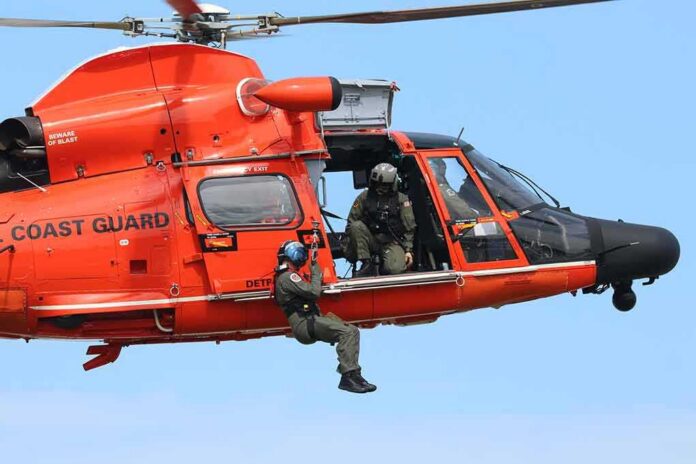
Coast Guard watchstanders received a distress call around 1:00 a.m. from a boat reporting it was sinking off Mexico’s Baja California coast. Air crews and surface teams launched and reached people in the water about 140 miles west of Ensenada. Sixteen people were hoisted and flown to San Diego for medical care. Officials described the call as a Mayday and said the area is known for dangerous crossings by sea, though the specific cause of the sinking was not yet established.
The Associated Press reported that one rescued person had injuries consistent with a shark bite, and that two were listed in critical condition at the time of initial hospital intake. Authorities said the operation began in darkness, which made locating people in drifting seas even harder. The response used two helicopters and a fixed-wing plane to spot survivors and guide surface ships to them after sunrise. Crews prioritized hypothermia, trauma, and dehydration care on scene and during transport.
Search Expands With U.S. And Mexican Forces Coordinating At Sea
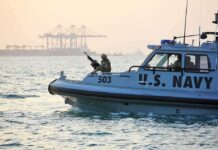
The Coast Guard and the United States Navy deployed helicopters, a patrol cutter, and a Navy combat ship to expand the search grid. The Mexican Navy in Ensenada launched its own search-and-rescue operation in parallel. Crews widened the area based on currents, wind, and drift models to find anyone still afloat. Reporters noted that the incident took place outside United States waters, which adds complexity to coordination and information sharing during fast-moving rescue cases.
Officials continued searching after the initial rescues because survivors said more people were aboard. Early reports referenced 27 total, which would leave 11 people missing, but the Coast Guard later said it could not confirm an exact passenger count without a recovered vessel or manifest. That caveat did not slow the hunt. Aircraft ran expanding-square patterns while ships checked debris lines for life jackets, flotation devices, and signals from the water.
Medical Needs, Shark Risk, And The Push To Save Lives
The Associated Press reported that the 16 rescued were Mexican nationals and that at least one person showed wounds consistent with shark bites. Medical teams in San Diego treated exposure, lacerations, and shock. Rescuers emphasized speed, because even strong swimmers lose body heat fast in open water. The shark-bite detail is dramatic, but the main threat was time. Darkness, distance from shore, and uncertain headcount forced crews to over-search rather than risk leaving anyone behind.
Multiple survivors were treated for suspected shark bites after a boat, departing from Mexico, capsized off the coast of Baja California, according to the U.S. Coast Guard. 16 Mexican nationals had already been rescued on Friday, and authorities continue the search for 11 people… pic.twitter.com/rq0RKLc0oF
— The Manila Times (@TheManilaTimes) October 18, 2026
Reporters placed this incident in a broader pattern of peril on the California–Baja maritime corridor. Maritime crossings tied to smuggling routes have surged since 2017, with dozens of deaths and many close calls in rough, cold waters near San Diego and Baja. That history explains the heavy response: helicopters, fixed-wing spotters, and cutters can make the difference when small, overloaded boats fail far from land. Still, officials have not identified this specific vessel or confirmed a smuggling case for this event.
Accountability, Borders, And The Mission To Protect Life
President Trump’s administration has pushed stronger maritime enforcement, but front-line rescuers still meet the same test: find people fast and bring them home alive. The Coast Guard’s actions here reflect that duty. A single Mayday triggered a surge of United States and Mexican assets, tight coordination, and life-saving care. This is what border security and orderly migration are about in practice: stopping reckless, illegal routes that put human life at risk, and mounting decisive rescues when danger strikes.
Sources:
© featuredheadlines.com 2026. All rights reserved.