

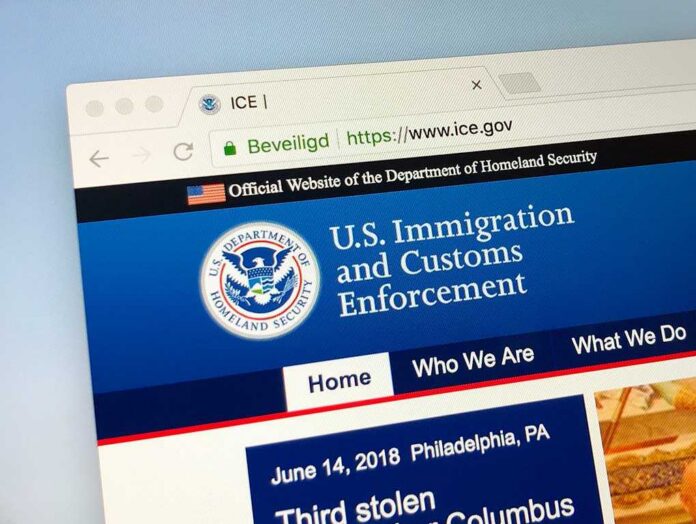
ICE rushed to hire, then quietly reversed course—leaving dismissed recruits in crisis and the public asking who was watching the store.
Story Snapshot
- A whistleblower said ICE made job offers before basic vetting like fingerprints and credit checks.
- Internal messages showed vetting backlogs during the historic hiring surge.
- ICE says it follows rules, uses tentative offers, and vets continuously.
- Dismissals rose; one terminated Marine reservist died by suicide, raising alarm about support gaps.
What set off the alarm
An Immigration and Customs Enforcement background-check supervisor filed a whistleblower complaint saying the agency issued final job offers before basic screening steps like fingerprinting, identity checks, and credit reviews. The complaint called the drop in standards unprecedented and warned of misconduct risk if unvetted hires carried a badge and a gun. Reports from the same period described recruits arriving at training without completed checks, and some later failed drug tests or were removed for disqualifying issues that should have surfaced sooner.
Reuters later reported that an internal email acknowledged vetting strain amid the fast expansion. The message outlined how to handle past misconduct claims surfacing during onboarding, which signaled the system was catching up in motion rather than clearing people first. The agency said that email was only a reminder of resources and insisted all hires go through extensive checks and continuous vetting, including criminal and financial reviews. That response underscored the tension between speed and certainty.
How the surge outpaced the gates
The pipeline broke at the predictable choke points: fingerprints, identity verification, credit history, and reference interviews. Those tasks require time and trained staff. When leadership pushes volume, backlogs form and shortcuts tempt. Multiple former officials told reporters that new officers hit the field before full vetting finished, a back-end fix to a front-end rush. That sequence can work on paper if risk is tightly controlled. It fails when missing pieces involve drugs, crimes, or integrity gaps that law officers must not carry.
ICE’s policy case is straight: tentative selection after an interview, possible temporary status for training, and ongoing checks that can lead to removal if red flags appear later. That is lawful process, and continuous vetting is wise. But the whistleblower did not argue against process; he alleged the order flipped—final offers ahead of basic screening—moving risk from theory to practice. On the facts as reported, that claim fits the pattern seen in other federal surges where throughput beat prudence.
The human cost and the accountability test
Quiet dismissals followed. News accounts describe more than two hundred recruits dropped during or after training for academics, fitness, or later-found issues, with fewer than ten tied to problems that earlier checks should have caught. Even if that tally holds, the outliers matter most. A single armed officer with a disqualifying background is one too many. The case that shook people was a Marine reservist recruit who was terminated and later died by suicide, a gut punch that raised hard questions about screening, transparency, and support for dismissed trainees.
ICE does not want you to know this. They are now quietly firing agents they brought aboard during a massive hiring surge without properly vetting and doing background checks on them. 🤬 https://t.co/5xW9I8D7UT pic.twitter.com/9Cr7Tve9da
— Annie (@AnnieForTruth) September 16, 2026
Conservative common sense draws a clean line: law officers must clear strict bars before they wear the badge. Agencies should move fast, but never faster than the truth. ICE says it applies the rules and is extending training length after the uproar, which suggests leadership sees a gap to close. That is welcome. But trust grows from sequence and standards, not slogans. Fingerprints before final offers. Identity before issuance. Credit checks before a gun. Every time, no exceptions.
What should change now
Rebuild the gate in order. Require completion of fingerprints, identity verification, and credit checks before any final job offer. Use tentative letters only with clear limits on duties and weapons access until full investigations return clean. Publish anonymized metrics monthly: how many tentative offers, how many cleared, how many denied, and why. Pair rapid hiring with surge resources for vetting units so backlogs do not force risky workarounds. Extend duty-of-care for dismissed recruits for a defined period with mental-health access and job-transition help; this protects people and reduces liability.
Congress should demand a timestamped chain-of-custody for each core check tied to every offer. Inspectors should audit a random sample and report pass-fail compliance rates publicly. If the whistleblower’s central claim is validated, impose consequences on the officials who inverted the order. If ICE’s defense holds, document it and codify the temporary-status guardrails. Either way, the fix is not abstract. It is a checklist done in the right order, with the power to halt a hire the moment a red flag appears. The badge deserves nothing less.
Sources:
military.com, washingtonpost.com, apnews.com, inquirer.com, abcnews.com
© featuredheadlines.com 2026. All rights reserved.