
Dallas–Fort Worth International Airport is adding dedicated ablution stations in Terminal D restrooms, and the small build is punching far above its weight in public reaction.
At a Glance
- Texas filing shows a renovation to add one men’s and one women’s ablution station in Terminal D restrooms.
- Reporting says the goal is both ritual washing space and drier, safer restroom floors.
- The project is described as privately funded with a roughly $300,000 scope.
- DFW added two ablution stations next to the Terminal D chapel back in 2019.
What Is Being Built, Where, and Why It Matters
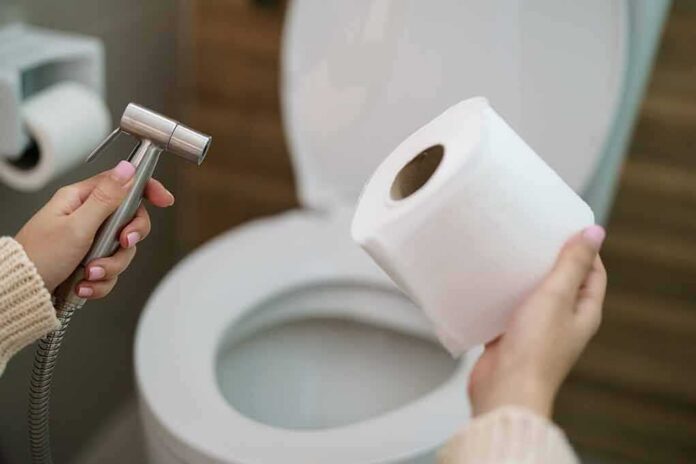
Texas records list a registered renovation for Terminal D that adds ablution stations to existing concourse-level restrooms. The scope is precise: one men’s and one women’s station. The filing ties the work to a specific project number, which sets clear boundaries for scale and location. Local reporting adds the aim: give travelers a proper place for ritual washing and also keep water off floors and counters that get used for the same task today. This is not a terminal overhaul. It is a small, targeted change.
🚨Texas needs to wake the f#ck up!@GregAbbott_TX @KenPaxtonTX
DFW Airport is installing dedicated Islamic foot-washing stations (Wudu) inside the men’s and women’s restrooms in Terminal D. Official project. $300,000. Privately funded. Construction starts later this month.…
— Ethica Now (@EthicaNow) August 13, 2026
The funding is reported as private, which signals this is not a large public spend. One outlet and a mirrored project page both call the work privately funded and limited to Terminal D. Public concern often spikes when people fear tax dollars fund niche amenities. That worry does not fit the record here as described. The price tag reported around $300,000 is real money but minor in airport terms, where single gate upgrades can cost far more.
How This Fits DFW’s Existing Chapel Footprint
DFW did not start from zero. In 2019, the airport said the Terminal D interfaith chapel added two ablution stations adjacent to the space for ritual purification. The airport chaplaincy lists the Terminal D chapel after security near Gate 40, which matches the general area and shows a long-standing pattern of faith accommodation on-site. The new step moves some capacity into standard restrooms. That choice likely aims to meet passengers where they already are, without a chapel detour between tight connections.
Critics may see redundancy. Supporters may see convenience and safety. Both views will persist until design and usage data appear. The public set here does not include drawings, drainage specs, or anti-slip details, so no one outside the project team can judge the engineering. The same goes for demand. The record does not show passenger counts or surveys on how many travelers seek ritual washing near gates. Without those numbers, arguments over “need” rest on assumptions.
Safety Claims and the Evidence Gap
Reporters say the stations should reduce wet floors and sink damage by giving people a proper place to wash. That makes basic sense. Purpose-built fixtures usually beat improvising at sinks. Still, the file does not include incident logs, before-and-after comparisons, or a memo from the facilities team that quantifies the improvement. That gap is normal early in small projects but leaves room for spin. A simple release with slip-and-fall data would close much of the debate fast.
Dallas-Fort Worth International Airport is introducing dedicated Wudu stations to Terminal D restrooms. ✈️🕋 Fox News
The privately funded installation aims to provide a dedicated space for ritual cleansing while resolving a long-standing maintenance headache:
standard sinks… pic.twitter.com/uIULlLcMsc
— Mazi okwuoma (@MaziEzike_Nedu) August 13, 2026
On the culture front, the phrase “Islamic foot-washing stations” turns a plumbing tweak into a viral spark. The documents describe a tiny build. Social posts sell a symbol. The distance between those two frames fuels anger and applause that outrun the facts. A common-sense view aligns with conservative instincts: clear rules, private dollars, clean floors, and respect for the many kinds of travelers who pass through a major hub. The airport should publish the plan sheets and the safety rationale to earn trust.
What To Watch Next
Three items matter from here. First, the complete Texas filing packet should confirm the fixtures, drainage, and any flooring changes. That shows whether safety claims rest on solid design or light retrofits. Second, DFW can share maintenance logs and slip reports after the stations open, which would answer the core “does it work” question better than any op-ed. Third, the airport can explain how the new restrooms complement the 2019 chapel-adjacent stations, so the public can judge if this is duplication or strategic placement.
Airports solve practical problems all day. Most fixes are boring. This one is small, visible, and tied to faith, so it drew heat. The paper trail says the work is narrow, in Terminal D, with private money, and aims to keep water where it belongs. If the build delivers drier floors and fewer slips, travelers win. If not, the airport will own the outcome. Either way, facts will beat buzz once the doors open and the custodial crews keep score.
Sources:
facebook.com, x.com, wanderboat.ai, dfwairport.com
© featuredheadlines.com 2026. All rights reserved.