

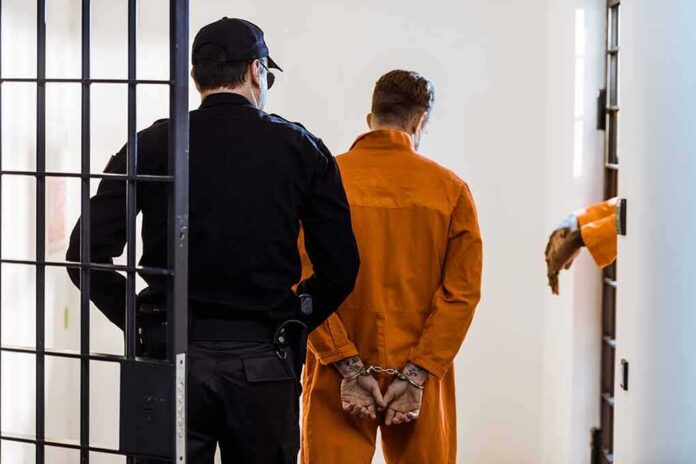
Two Florida deputies turned police databases into personal dating tools—and left audit trails that bit back.
Story Snapshot
- Sheriff says two Pinellas County deputies misused restricted systems to chase women.
- One deputy ran a woman’s records 381 times across five databases, many while off duty.
- Another deputy searched a 17-year-old girl and her family after she said she was a minor.
- Arrests followed internal audits and supervisory review; both resigned before booking.
What Investigators Say Happened
The Pinellas County Sheriff’s Office announced arrests of former deputies Karl Gwynne and Travis Stanton after two separate probes into misuse of restricted databases. The agency says Gwynne used automated license plate data and other law-enforcement systems to look up a woman he wanted to date, logging 381 queries across five databases between January 2025 and July 2026, including many while off duty. In a separate case, investigators say Stanton searched a 17-year-old girl and her family through multiple systems after a traffic stop.
https://www.youtube.com/watch?v=FvDiPYpCQCI
Sheriff Bob Gualtieri said Stanton had no official reason for the lookups and admitted “curiosity” drove him, even entering a code that claimed he was verifying identity, which the sheriff says was not true. The sheriff’s office reports Stanton used his patrol computer to access state and local databases and later viewed school records and photographs tied to the teen. Both men resigned before they were arrested on charges that include unlawful computer access and official misconduct, according to the agency.
How Audits Caught The Pattern
These cases hinged on logs, not guesses. Investigators traced user IDs, timestamps, and purpose codes. The office says an internal audit flagged Gwynne’s high-volume pattern, including hundreds of automated license plate reader hits tied to the same woman, and 207 lookups while off duty, which raised obvious red flags. Supervisors confronted him; he said the searches were for official use, but auditors could not tie them to real cases, according to local reporting. The trail was long, consistent, and hard to explain away.
Stanton’s trail looked different but told the same story. The sheriff’s office says he ran the teen’s plate, then expanded to her family and other databases. Supervisors say he knew the rules, entered a purpose code, and still ran the search after she told him she was 17. The agency’s account includes reports that he spoke about the girl in personal terms, which undercuts any later claim of a valid case tie. Logs, interviews, and conflicting purpose codes narrowed his options to resignation or arrest.
Why This Matters Beyond Two Bad Decisions
This is not a one-off problem. Across the country, officers have misused confidential systems for personal curiosity, exes, or romantic pursuits. An Associated Press review found hundreds of cases over three years that led to firings or suspensions for database abuse. The base rate points to system design and oversight, not just personal failure. When you give broad query power with little friction, you invite temptation. When you log every keystroke and actually read the logs, you deter it.
Law-and-order conservatives should demand both: strong tools to catch criminals and strict guardrails to stop stalking by badge. Common-sense fixes are not complicated. Force case numbers for every search. Require clear, written reasons. Lock access to work devices and shifts. Alert supervisors for high-volume or off-duty patterns. Audit random samples every week, not every year. The Manhattan Institute and public policy reviews have pushed these steps for years because they work when leaders enforce them.
The Legal Line And The Cultural Fix
The Supreme Court’s Van Buren ruling narrowed one federal hacking law, but it did not bless personal fishing trips through restricted databases. Agencies still set access rules, state laws still criminalize unauthorized use, and logs still tell the tale. The Sheriff’s charges rely on those local rules and state statutes, not a vague standard. That is why purpose codes, duty status, and case ties matter so much; they define authority in black and white for a jury and for the public.
The sheriff’s office says it is tightening oversight of automated license plate readers after this audit wave. That is the right reflex. Technology is force-multiplying. So must accountability. Most deputies do the job right. The ones who do not stain the badge and scare victims who should trust it. The fix is not to toss the tools; it is to wire them with brakes, mirrors, and alarms—and back them with swift discipline when someone ignores the dashboard.
Sources:
thegatewaypundit.com, pinellassheriff.gov, wusf.org, patch.com, fox13news.com, tcpalm.com, tampabay.com, baynews9.com
© featuredheadlines.com 2026. All rights reserved.