

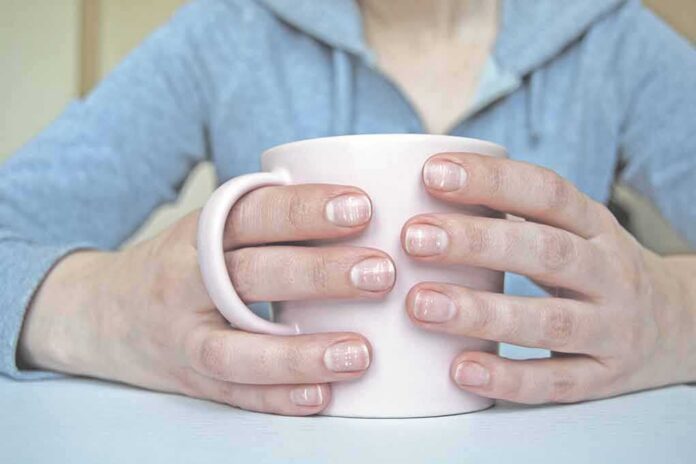
The BBC published, then swiftly pulled, a story that tied “bare nails” to white supremacist beauty standards — and that whiplash says more than the trend ever could.
Story Snapshot
- BBC article linked bare nails to class, race, and “white supremacist” beauty norms.
- Named source Kristina Rodulfo made the white-supremacy euphemism claim in the piece.
- BBC removed the story with a public “pending editorial review” notice.
- Backlash slammed the framing as divisive and absurd, pressuring the retraction.
What The BBC Published — And Why It Lit A Fuse
The BBC ran a feature arguing the “bare nails” look is not just a style, but a social signal about class and taste. The text said nail art’s creative roots trace to Black, Latino, and Asian communities, while “elegant” or “tasteful” descriptors for unpainted nails can mask racialized beauty ideals. Beauty journalist Kristina Rodulfo told the BBC those terms often serve as euphemisms that “perpetuate white supremacist standards of beauty” and that the trend promotes sameness and erasure of culture. That framing guaranteed a reaction.
The headline evolution sharpened the stakes. The piece ran as “How the bare nails trend became a class issue,” then as “Classy or classist? How bare nails became a hot issue,” making the class claim explicit and pulling race into the frame through quotes and context. The message was not subtle: if “clean” nails now read as refined, then bold designs could be marked as low status. That is an argument about gatekeeping in taste, not a salon tip sheet.
Why The Story Came Down So Fast
The BBC removed the article with a notice saying it was under editorial review, confirming it was live before withdrawal. Retractions like this usually signal concern over framing, sourcing, or balance rather than a simple style tweak. The available record shows the central white supremacy line rests on an expert’s interpretation, not on direct evidence of organized racist intent behind the trend. That leap — from class code to white supremacy — is where the evidentiary ice thins.
Critics pounced on that gap. Commentators blasted the article as “divisive tosh” and “beyond utterly insane,” accusing the BBC of politicizing a personal grooming choice. Others said calling bare nails racist or classist demeans the word racism and ignores that many women, across races and incomes, prefer simple nails for cost, time, or work rules. When a public broadcaster uses charged terms without a clear proof chain, people notice — and push back.
What Holds Up — And What Does Not
Parts of the thesis stand on solid ground. Fashion and beauty do signal class and group identity. Language like “polished,” “clean,” and “tasteful” has long mapped to old-money codes. The BBC’s point that nail art’s modern mainstream owes much to communities of color is fair, and worth crediting in coverage. But tying bare nails to “white supremacist standards” needs more than a quote. It needs data, history, and concrete links between specific standards and exclusionary power.
American conservative values prize individual choice, personal responsibility, and equal dignity under clear rules. On those terms, a trend is fine until someone claims your private choice marks you suspect. Saying unpainted nails “erase” culture stretches common sense, because one person’s minimalism does not silence another’s art. If workplaces or schools punish cultural styles, that is a policy fight. But shaming quiet taste as coded supremacy confuses the target and weakens serious claims of bias.
The Real Lesson For Big Media
Newsrooms can cover culture without turning every preference into a morality play. Start with evidence, define terms, and separate class signaling from race claims. Ask what harm is shown, who causes it, and how often it happens. If the best support is one expert’s broad theory, say so, and keep the language matched to the proof. Precision is not cowardice; it is respect for readers and for the weight of words like racism and supremacy.
Sources:
© featuredheadlines.com 2026. All rights reserved.