
The Marine Corps just turned an East Coast artillery battalion into a ship-killing missile force built to close seas and change fights.
Story Snapshot
- 1st Battalion, 10th Marines was redesignated a medium-range missile battalion at Camp Lejeune on October 9, 2026.
- The unit fields the Navy-Marine Expeditionary Ship Interdiction System, a mobile, land-based anti-ship system.
- Naval Strike Missiles can reach beyond 100 miles, enabling standoff coastal defense.
- The shift supports Force Design 2030 and keeps some howitzers elsewhere in the regiment.
A historic redesignation with a clear mission
Marines at Camp Lejeune marked a first for their service when 1st Battalion, 10th Marine Regiment, 2nd Marine Division was formally redesignated as a medium-range missile battalion on October 9, 2026. The change moved the unit from cannon artillery to a sea-denial mission centered on long-range precision fires. The Marine Corps placed the move inside its Force Design 2030 modernization plan, which aims to disperse combat power, complicate enemy targeting, and control key maritime chokepoints.
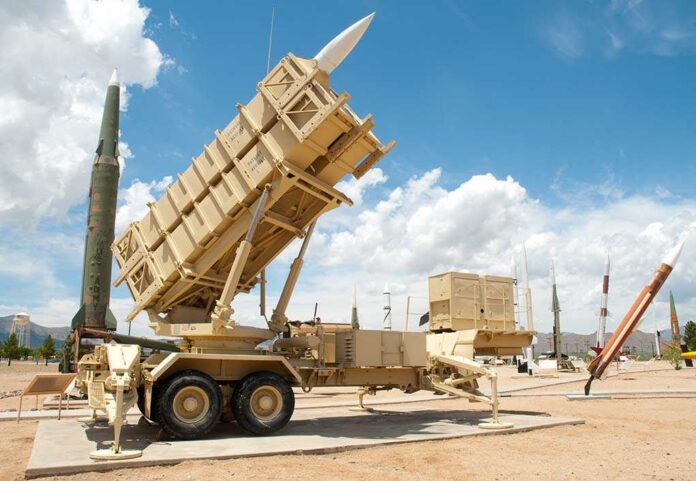
Commanders framed the redesignation as a shift to sink ships from shore. The battalion’s new core is the Navy-Marine Expeditionary Ship Interdiction System. That system launches the Naval Strike Missile from a small, mobile, unmanned carrier. Leaders described it as the Corps’ emerging ground-based anti-ship capability and a long-range precision fires platform. The message was direct: Marines will help the fleet deny access to hostile warships before they threaten American or allied forces.
How NMESIS fits the fight Marines expect
NMESIS pairs a two-missile launcher with a remotely operated vehicle built on the Joint Light Tactical Vehicle frame. That gives the battalion road speed, off-road reach, and low crew risk. The launcher’s small size supports concealment and shoot-and-move tactics. The Naval Strike Missile brings over-100-mile reach with a seeker designed to find and hit ships at sea. This combination suits dispersed coastal teams that fire, move, and live to fight the next salvo.
Range matters because it lets Marines hold shipping at risk from land while staying outside many naval gun lines. Reports place Naval Strike Missile reach at more than 100 miles, and some accounts cite more than 130 nautical miles in other contexts. The exact figure varies by source and conditions, but the bottom line is firm: this battalion can threaten ships well beyond the beach, which changes how enemy commanders must approach allied shores.
What changes for the regiment and the fleet
The Marine Corps presented this step as additive, not a break with every past role. The 10th Marine Regiment will still field howitzers in another battalion. That preserves close and continuous fires for ground forces while this new unit focuses on sea denial. The split reflects a broader bet that missiles from land can help the Navy control narrow seas, protect straits, and guard logistics lanes without putting ships inside an enemy’s strongest weapons envelope.
This redesignation also fits a larger return to land-based anti-ship warfare. For decades after World War II, the military left coastal defense behind. Force Design 2030 reversed part of that trend and pushed mobile shore-based missiles back into the center of maritime plans. The Corps already showed NMESIS in exercises and has treated it as a key piece of the new force. The activation at Camp Lejeune turns concept into structure and gives planners a real unit to task.
What this battalion can do today—and what to watch next
The new battalion can hide in clutter, pop up to fire, and then move again. It can add another layer to the fleet’s kill web and force enemy ships to shift course or slow down. That helps allies and gives commanders more options that do not rely only on ships and planes. The redesignation signals a practical lesson in deterrence: if you can sink what the other side values, you shape their behavior without firing often.
1st Battalion 10th Marines getting redesignated as Medium Range Missile Battalion
I was with 1/10 for 5 years..
N street goes hard..Always got live for the Howitzers
Marine Corps establishes its first medium-range missile battalion https://t.co/r4yTJdkGTI
— DeptOfWarCrimes🇺🇸🙈🙉🙊 (@JustL22866) October 17, 2026
Open questions now focus on scale, training tempo, and integration, which the Marine Corps will refine as fielding grows. Public reports did not list the unit’s missile inventory or reload rates, which are normal omissions for an operational unit. The key test will be how fast crews can displace, how well sensors feed target data, and how smoothly Marines link with Navy and joint shooters. For now, the Corps has put real steel behind a clear idea—and done it on schedule.
Sources:
realcleardefense.com, defence-blog.com, defensewarroom.com, yahoo.com
© featuredheadlines.com 2026. All rights reserved.