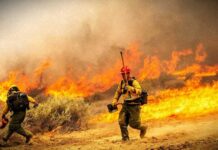
The words “Flash Flood Emergency” lit up phones across south-central Texas because water was rising fast enough to take lives.
Story Snapshot
- The National Weather Service issued a rare Flash Flood Emergency for parts of Kerr and Uvalde counties.
- Officials reported fatalities as floodwaters swept away vehicles and triggered dozens of rescues.
- Rescue teams and state resources surged into the Hill Country as roads vanished under water.
- Rapid-rise flooding again exposed how this landscape turns heavy rain into deadly rivers.
What Triggered The Emergency Designation
The National Weather Service used its highest flood alert for parts of Kerr and Uvalde counties after relentless storms dumped extreme rain and water rescues began. A Flash Flood Emergency means an imminent threat to life. Local updates warned of ten to twenty inches in spots and urged people to move to higher ground as rivers swelled and roads failed. The alert did not come lightly. Forecasters and emergency managers saw flooding already underway and still rising.
Storms hit the Texas Hill Country the way a match hits dry grass. The ground could not take the water. Creeks and low-water crossings filled and then raged. Drivers lost sight of pavement lines. First responders waded and boated to stranded families. Some neighborhoods saw every route out blocked. Local weather posts reported all roads closed in Uvalde as water covered major streets and highways, cutting off normal rescue paths and slowing response.
Confirmed Losses And The Race To Rescue
Officials confirmed deaths tied to the flooding as vehicles and an RV were swept away in fast water. The toll rose while crews pulled people from rooftops and high-water vehicles pushed into dark streets. Reports from the scene described dozens of water rescues with more teams arriving by the hour. The scale of the response grew to over a thousand personnel statewide, with at least seventy rescues logged in early counts as the worst bands passed over river towns.
Numbers moved fast during the morning. That is how flash floods work here. The line between “safe to drive” and “gone” can be minutes. The rule “Turn Around, Don’t Drown” sounds simple, but rapid water hides depth and speed. The people most at risk are often in vehicles, trying to get home or get out. That pattern returned in this flood, and it explains the repeated focus on closing roads early and keeping cars away from low crossings.
Why The Hill Country Floods Kill So Quickly
The Hill Country is beautiful and dangerous in heavy rain. Steep slopes, thin soil, and rock make water run off instead of soaking in. When a stalled storm drops inches per hour, creeks become walls of water. Rivers like the Guadalupe and Pedernales can rise feet in under an hour. Forecast offices warn about this again and again, yet each event still catches people on the move, because life does not pause for a weather map on a phone.
DEADLY FLOODING BATTERS TEXAS AS EMERGENCY RESPONSE EXPANDS
Severe flooding has inundated parts of Texas, leaving at least two people dead, prompting emergency declarations across dozens of counties, and triggering more than 230 water rescues as communities recover from… pic.twitter.com/hzS6qDSjoC
— Washington Eye (@washington_EY) July 17, 2026
Some readers will ask if alerts came fast enough or loud enough. That question often follows Texas floods. Based on early information in this event, forecasters escalated to the highest warning while flooding was already occurring and growing. That timing fits the goal of warnings: communicate when danger becomes clear and urgent. Debate over sirens and apps will continue, but common sense values say this much: when you see water covering the road in the Hill Country, do not test it—turn around.
How To Think About The Next 24 Hours
Flash floods do not end when rain stops. Water from upstream keeps moving. Rivers may crest later, then move the danger downstream. Officials will reopen roads in stages, after inspections. Expect detours, power outages, and boil water notices. Rescue crews need space to work. The best help now is to stay put if safe, check on neighbors, and keep vehicles off flooded routes. Local advisories and radio updates remain the most reliable guides in the hours ahead.
Lessons That Save Lives Every Time
Three simple habits help in this region. First, plan a backup route that avoids low crossings. Second, sign up for local alerts and keep a battery radio. Third, pack a go-bag with basics—meds, documents, water, lights. These are not scare tactics. They are normal tools for a place where creeks can jump their banks before sunrise and leave a whole town cut off by breakfast. Prepared families free up first responders to reach those who truly cannot move.
Sources:
ialert.com, english.elpais.com, youtube.com, tdi.texas.gov
© featuredheadlines.com 2026. All rights reserved.