
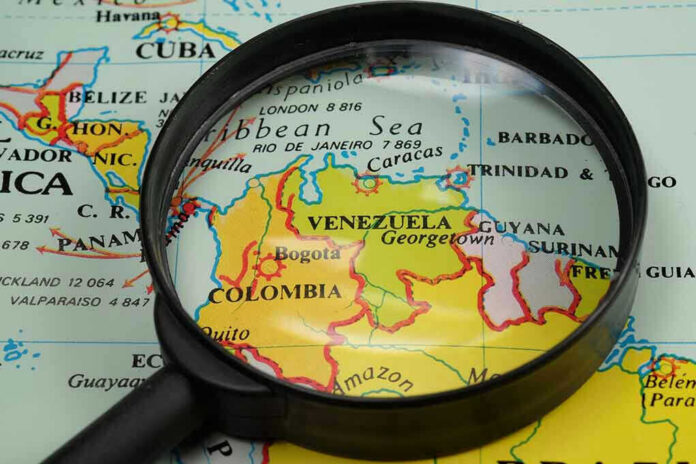
The Trump administration deployed U.S. forces to seize an oil tanker off Venezuela’s coast, marking an unprecedented escalation in America’s campaign against the Maduro regime that raises profound questions about maritime law and international sovereignty.
Story Snapshot
- U.S. military forces conducted rare seizure of merchant vessel in Venezuelan waters
- Action represents dramatic escalation in Trump administration’s pressure campaign against Maduro
- Operation targets regime already facing narcoterrorism charges in American courts
- Maritime seizure breaks conventional diplomatic protocols for international disputes
Unprecedented Military Action at Sea
Naval seizures of foreign merchant vessels represent one of the most aggressive tools in international diplomacy. The Trump administration’s decision to deploy U.S. forces against an oil tanker operating near Venezuelan waters signals a dramatic shift from traditional economic sanctions to direct military intervention. This action crosses boundaries that previous administrations avoided, even during heightened tensions with hostile regimes.
The operational complexity of seizing a merchant ship requires careful coordination between multiple military branches and represents significant legal risk under international maritime law. Such operations typically occur only during declared conflicts or under specific United Nations mandates, making this seizure particularly noteworthy for its bold departure from established precedent.
US Forces Seize Oil Tanker off Coast of Venezuela – Tensions Escalatehttps://t.co/mI0mic4kcU
— NexSouk (@NexSouk) December 11, 2025
Targeting the Maduro Economic Lifeline
Venezuela’s oil industry serves as the primary revenue source keeping Nicolas Maduro’s authoritarian government afloat amid widespread economic collapse. By intercepting oil tankers, the Trump administration directly attacks the financial foundation supporting a regime that has overseen hyperinflation, mass emigration, and systematic human rights abuses affecting millions of Venezuelan citizens.
The seizure strategy recognizes that traditional sanctions have failed to dislodge Maduro despite years of international pressure. Oil tanker interdiction represents a more aggressive approach designed to immediately impact the regime’s cash flow and operational capabilities. This tactical shift acknowledges that incremental measures have proven insufficient against a dictatorial government willing to sacrifice its population’s welfare.
Narcoterrorism Charges Drive Escalation
Federal narcoterrorism charges against Maduro transform this maritime seizure from a purely political action into a law enforcement operation with criminal justice implications. American prosecutors have built cases alleging that Venezuelan government officials facilitated drug trafficking networks that flooded U.S. communities with cocaine, creating a legal framework for increasingly aggressive interdiction efforts.
The criminal charges provide constitutional justification for actions that might otherwise face congressional scrutiny or international legal challenges. By framing Venezuelan oil operations as potentially connected to narcoterrorism financing, the administration creates broader authority for military and law enforcement agencies to disrupt regime activities beyond traditional diplomatic channels.
International Law and Strategic Implications
Maritime law experts will scrutinize this seizure for its compliance with international legal standards governing freedom of navigation and sovereign rights. The operation sets precedent for how future administrations might handle rogue regimes that threaten American interests while operating in international waters. Allied nations will watch closely to determine whether such tactics align with their own maritime security concerns.
The strategic implications extend beyond Venezuela to other authoritarian regimes that rely on maritime commerce for survival. Iran, North Korea, and other sanctioned nations operate extensive shipping networks to circumvent international restrictions, and this Venezuelan operation demonstrates American willingness to use military force for economic warfare objectives previously pursued through diplomatic means alone.