
Thirteen people died when a tourist plane crashed near Peru’s Nazca Lines, and the first reports already pointed to a sightseeing flight that never made it home.
Quick Take
- Officials and multiple news outlets said the crash killed **13 people**: 11 foreign tourists and two crew members.
- The plane went down near **Pueblo Viejo**, outside Nazca, after taking off from **Pisco Airport**.
- Authorities said the **cause was still unknown** and opened an investigation.
- The aircraft was widely identified as an **Aerodiana** sightseeing plane flying over the Nazca Lines.
A Flight Built for Wonder, Ending in Fire
The crash turned a classic tourist trip into a disaster scene. Reports from Reuters, ABC News, NBC News, and others said the plane was flying over the Nazca Lines when it went down, killing everyone aboard. Peru’s Ministry of Transport and Communications said the passengers were foreign tourists from Germany, Italy, and Spain, along with two crew members.
South America
13 dead in Peru Nazca Lines tourist plane crash — A tourist flight over the famous Nazca Lines in southern Peru crashed on Saturday, killing all 13 people on board— H.W.S.ALKRTY (@HAlkrty) August 2, 2026
That detail matters because the Nazca Lines are not a routine route. They draw visitors who want a short aerial view of one of Peru’s best-known archaeological sites. The flight’s appeal is simple: take off, circle the desert, and come back with photos. Instead, this trip ended in smoke, wreckage, and a toll that local police said left no survivors.
What Authorities Said at the Scene
Police Major Jorge Andrade told reporters from the crash site that 11 passengers and two crew members had died. Reuters and other outlets said local authorities had begun investigating, while NBC News reported that firefighters and municipal police went to the scene to fight the fire and start rescue work. Some reports said only four bodies had been recovered early on, which shows how fast-moving the response was.
The reported crash location also stayed broad in the early hours. Some outlets placed it in Pueblo Viejo, about four miles from Nazca, while others described it as outside Nazca or near the reserve tied to the Nazca Lines. That is not unusual in an active disaster response. Early crash locations often shift slightly as reporters work from police statements and scene accounts rather than final maps.
Why This Story Is Still About the Unknowns
The strongest part of the public record is the death toll. The weakest part is the cause. Every major report said the reason for the crash had not yet been established. That means no one in the current record has tied the disaster to weather, mechanical trouble, pilot error, or any other single explanation. The investigation is the next chapter, not the headline.
🚨BREAKING: Plan Crashes,13 Dead
A small plane carrying foreign tourists to view Peru’s famed Nazca Lines archaeological site crashed on Saturday, killing all 13 people on board, police said.
Seven Italians, two Germans and two Spaniards were killed, along with two crew… pic.twitter.com/hesWQXO0xo
— Mayegun (@mayegun1805) August 2, 2026
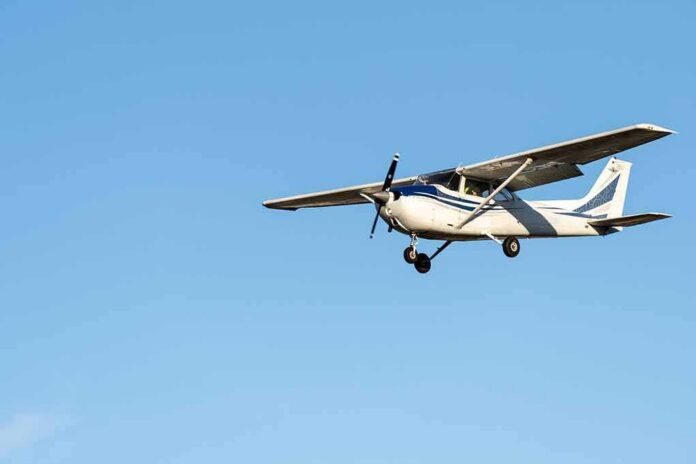
The aircraft itself was repeatedly identified as an Aerodiana-operated sightseeing plane, and reports said it had taken off from Pisco Airport before heading toward the Nazca Lines. That gives the event a clear shape: a tourist flight, a known route, a sudden loss of control, and a fatal impact in the desert. The broad outline is solid. The fine points are still moving.
Why Early Coverage Can Mislead Without Lying
This is a textbook case of early aviation reporting. Wire services and broadcast outlets quickly converge on the same official statements, then the public often treats those first details as final. That can blur nationality counts, exact positions, and even the aircraft model if later records change. In this case, the consensus is strong on the core facts, but the manifest and investigation file still matter for the final record.
The bigger lesson is plain. A tourist plane crash can be fully real, fully tragic, and still partly unresolved in the first day. The public learns the number of dead first. It learns the cause last. In Peru, that delay is now the space where investigators, families, and foreign consulates will have to do the slow work of matching names, bodies, and evidence to the wreckage on the ground.
Sources:
youtube.com, reuters.com, theguardian.com, indianexpress.com, foxnews.com, scmp.com
© featuredheadlines.com 2026. All rights reserved.