
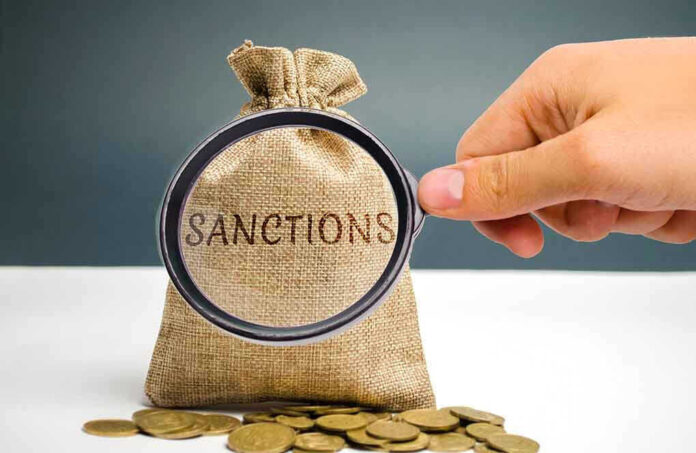
The Trump administration’s decision to slap sanctions on Cuba’s President for human rights violations is a rare wake-up call in a world where dictators are coddled and American values get trampled by the very leaders who claim to protect them—so how long will the world keep turning a blind eye while tyranny flourishes just 90 miles from our shores?
At a Glance
- The U.S. government imposed new sanctions on Cuban President Miguel Díaz-Canel for his regime’s brutal crackdown on peaceful protesters demanding basic freedoms and an end to communist oppression.
- Hundreds of Cubans remain imprisoned for daring to speak out, while new laws in Cuba criminalize dissent and make even social media activism a crime.
- International human rights organizations, including Amnesty International and Human Rights Watch, have documented systematic abuses, unfair trials, and escalating repression.
- The Cuban government remains defiant, tightening its grip on power and blaming foreign “enemies” for unrest, as the U.S. faces criticism for both its tough stance and the persistence of old embargo policies.
Washington Finally Confronts Cuban Repression—But Is It Enough?
On the anniversary of the largest anti-government protests Cuba has witnessed in decades, the U.S. State Department announced new sanctions against Cuban President Miguel Díaz-Canel and key officials for their roles in orchestrating a violent crackdown on their own people. These sanctions, which include travel bans and asset freezes, come after the world watched in 2021 as Cubans flooded the streets, chanting for liberty and an end to the Communist Party’s iron grip. The regime’s response? Hundreds were arrested, with many sentenced to years behind bars for nothing more than demanding free expression and basic human rights. And let’s not forget, these are the same “leaders” who whine about U.S. embargoes while their own citizens can’t find bread or Ibuprofen.
For decades, Cuba’s Communist Party has ruled with an iron fist, jailing dissidents and criminalizing any whiff of opposition. The 2021 protests—sparked by food and medicine shortages, pandemic mismanagement, and years of failed socialist economics—were historic, but so was the repression that followed. Díaz-Canel’s regime has doubled down on its authoritarian playbook, introducing a new penal code that makes criticizing the government online a crime and ensures that even digital resistance is met with prison or exile. As if Cubans didn’t have enough to worry about, now their tweets can land them in a jail cell. The Trump administration’s move is a start, but it’s hard not to wonder if it’s too little, too late for those languishing in Cuban prisons or forced into silence.
Human Rights Groups Sound the Alarm While Cubans Suffer
Major human rights organizations, including Amnesty International and Human Rights Watch, have been relentless in documenting the abuses unleashed by the Cuban government since July 2021. According to their reports, at least 710 protesters have faced criminal charges, many for so-called “sedition,” while hundreds more endure lengthy sentences, sham trials, or forced exile. The regime’s strategy is simple: crush dissent, terrify the population, and pretend that the only problem is American sanctions. Meanwhile, the world’s self-appointed defenders of “democracy” seem content to look the other way, too busy with their own virtue signaling to address real tyranny in their own backyard. The U.S. sanctions, though symbolic, are a direct response to calls from human rights groups and the Cuban diaspora, who demand that Washington hold the regime accountable—not just with words, but with real consequences.
Economic hardship for ordinary Cubans only deepens as the government blames the U.S. for every woe under the sun. The truth is, the Communist Party’s own policies—currency chaos, censorship, and the criminalization of basic freedoms—are the real culprits. While the international community wrings its hands, the suffering continues: families separated, activists exiled, and a population kept in fear by a government terrified of its own people. For every American dollar spent propping up foreign NGOs or subsidizing illegals at home, wouldn’t it make more sense to support those who actually fight for liberty?
Cuba’s Crackdown: A Grim Blueprint for Authoritarianism—And a Warning for America
The Cuban government’s response to protest—jailing, silencing, and exiling anyone who dares to dream of freedom—is a chilling reminder of what happens when unchecked power meets zero accountability. The regime’s new laws, which target not just public assembly but even private communications, set a dangerous precedent for authoritarian states everywhere. And while the U.S. sanctions are a welcome step, they beg the bigger question: how many more “anniversaries” will pass before the world treats Cuba’s dictatorship with the same outrage reserved for other regimes?
For American readers sick of watching their own government prioritize “woke” causes and open borders over real human rights, the Cuba story is a gut punch. Why does our leadership bend over backward for illegal immigrants, print endless money, and let criminals roam free, while true freedom fighters rot in foreign prisons? The answer, as always, comes down to values and priorities. Will the U.S. continue to coddle tyrants and undermine its own founding principles, or will it finally stand up for freedom—at home and abroad?