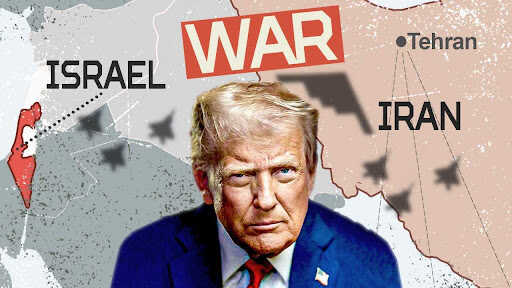
Donald Trump says he “ended the war with Iran” on a campaign-style phone call, and that one bragging line opens a much bigger story about power, peace, and how leaders sell big claims to voters.
Story Snapshot
- Trump told Georgia’s Burt Jones supporters that “we ended the war with Iran today.”[1][2][3]
- He said Iran agreed to a “very strong memorandum of understanding” and to never get a nuclear weapon.[1][2]
- The claim came on a tele-rally, not in a formal White House or Pentagon announcement.[1][2][3]
- The line blended foreign policy, campaign hype, and a clear appeal to American strength and deterrence.
Trump’s bold claim on a political phone call
President Donald Trump did not announce his supposed Iran breakthrough in the Oval Office or from a podium with flags behind him. He dropped it on a tele-rally for Georgia Lieutenant Governor Burt Jones, who is running for governor.[1][2][3] Trump told the call’s listeners, “I don’t know if you heard, but we ended the war with Iran today.”[1][2] That is not normal language for a routine campaign boost. He framed it as breaking news.
Trump then pushed the point further. He said the United States and Iran had reached a “very strong memorandum of understanding” to stop the fighting.[1][2] He added that Iranian leaders “agreed that they will never have nuclear weapons, which is what we insisted on; that was the whole purpose. That was 95 percent of the issue.”[1][2] In a few short lines, he claimed success on two huge goals at once: ending conflict and blocking Iran’s nuclear ambitions.
What Trump says the deal with Iran includes
Trump’s words painted a picture of total victory. According to his description, Iran not only agreed to stop the war, but also promised it would “never have a nuclear weapon.”[1][2] He stressed that this condition was his main demand and said it was “95 percent” of the whole issue.[1][2] That framing matches Trump’s long-standing focus on Iran’s nuclear program, which he often calls the heart of the threat, more than the daily clashes or proxy fights.
He also called the understanding “very strong,” and said it ended the war that day.[1][2] But no detailed terms, timelines, or verification steps have been publicly outlined. There is no mention in his remarks of inspections, enforcement, or what happens if Iran breaks the promise.[1][2][3] That lack of visible structure makes the claim sound more like a headline than a treaty. It places a lot of weight on Trump’s word and personal style of deal-making.
Why say it this way, in this place, to this audience
Trump chose a very specific stage for this message. The tele-rally supported Burt Jones, a loyal ally who backs Trump’s agenda and style.[1][3][5][7] Trump’s claim that he “ended the war with Iran” let him do several things at once. He boosted Jones with big, attention-grabbing news. He reminded listeners of his image as a tough negotiator. And he framed himself as the man who stops endless wars without looking weak.
That pitch lines up with many conservative voters who want strength abroad but are tired of open-ended ground wars. To that audience, a leader who forces a hostile regime to back down without sending thousands of troops might sound ideal. Trump’s story says: America stands firm, the enemy bends, and our side keeps both pride and peace. Whether all the details match reality, the political message hits a nerve that many on the right share.
War, words, and what “ended” really means
The phrase “ended the war with Iran” carries more emotion than precision. The United States and Iran have not fought a declared formal war, but they have been locked in a long, ugly mix of sanctions, proxy battles, and near-miss clashes.[6] Trump’s own time in office saw airstrikes, the killing of Iranian General Qassem Soleimani, and talk of major escalation.[6] Calling a shift in that standoff “ending the war” turns a slow grind into a clear before-and-after story.
Many Americans like straight, simple lines: war or peace, win or lose. Politicians know this. When Trump says the war “ended,” he offers that simple line. A careful view, grounded in common sense, asks harder questions. Did Iran actually change course? Are its proxies still active? Has the nuclear threat really gone away, or has the fight just moved to quieter channels? Those questions matter more than any one victory quote on a campaign call.
Sources:
© featuredheadlines.com 2026. All rights reserved.