

featuredheadlines.com — Barney Frank’s life, from Bronx tenement kid to architect of Wall Street reform and openly gay power broker in Congress, is a case study in how one ornery, razor-tongued man bent modern American politics in directions both the left and the right still argue about.
Story Snapshot
- Barney Frank died at 86 after entering hospice for congestive heart failure, closing a 50-year run in public life.[1]
- He served 16 terms in the United States House of Representatives from Massachusetts, becoming a central player on financial policy.[1]
- He co-authored the Dodd-Frank Act, reshaping post-crisis Wall Street rules and igniting a long-running left-right fight over regulation.[1]
- He was the first member of Congress to voluntarily come out as gay, changing expectations about what “unelectable” looked like.[1][2][4]
A Death That Forces Washington To Reopen Old Arguments
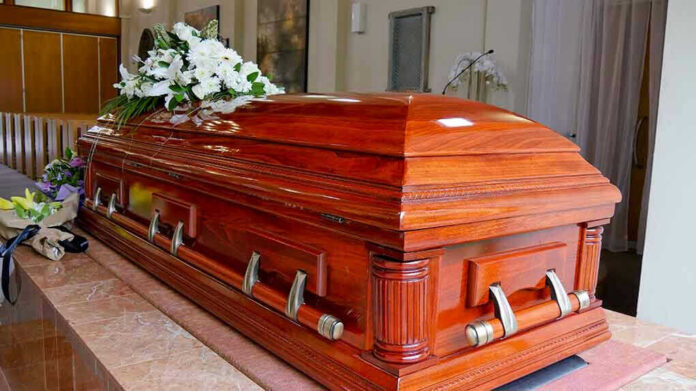
Barney Frank’s death at 86 does not end the debates he loved; it drags them back into the light.[1] Reporters had already framed his final chapter when he entered hospice care in late April, with Frank himself quipping that his body was “just wearing out.” He died less than a month later, after telling one interviewer he felt little pain but knew his heart was failing. The man who spent decades dissecting others’ legacies became the subject of one more fight over his own.
Obituaries rushed to claim the headline: gay rights pioneer, architect of Dodd-Frank, liberal lion.[1][2] Each label contains truth, but each leaves something critical out. The hospice reports focused on the human drama and his gallows humor. The early death notices from television and online outlets leaned on the financial-crisis storyline and his status as an openly gay lawmaker.[1][2][4] None can fully capture the rough-edged, transactional, sometimes infuriating legislator who thrived on granular details and public combat.
From Massachusetts Districts To The Center Of Financial Power
Frank first entered the United States House of Representatives in 1981 and stayed until 2013, a 32-year stretch that few modern politicians survive.[1] He represented Massachusetts districts that evolved through redistricting, but he built seniority by mastering the dry mechanics of legislation and procedure.[1] He gained real clout when Democrats returned to House control in 2007 and he became chair of the House Financial Services Committee, just as the housing bubble and credit markets started to buckle.[1]
The financial crisis elevated him from niche policy specialist to national figure practically overnight.[1] As banks failed and Washington scrambled, he helped negotiate rescue measures and then turned to long-term reform. The result was the sweeping Dodd-Frank Wall Street Reform and Consumer Protection Act, which tightened capital standards, created new oversight bodies, and tried to reduce the chances that taxpayers would again bail out private risk-taking.[1] Critics on the right still argue that many of those rules burden small banks more than the giant institutions they were supposed to discipline.
Gay, Out, And Electable When Those Words Did Not Belong Together
Frank’s financial legacy alone would secure a footnote in history books; his role in gay political history guarantees more than that.[1][2][4] He became the first member of Congress to voluntarily announce he was gay in the late 1980s, at a time when many strategists insisted a public acknowledgment meant the end of a serious political career.[1][2][4] Biographical accounts and later coverage describe him as the most prominent openly gay politician in the United States for more than a decade.[1][2]
Contemporary outlets covering his hospice announcement called him a “pioneering figure in LGBTQ political history,” underscoring how fully he had reversed the assumption that sexual orientation was disqualifying.[2] Video retrospectives produced after his death emphasize that he was not only openly gay but also the first member of Congress to enter a same-sex marriage while in office, a symbolic milestone that would have seemed politically suicidal when he first ran.[1][4] By surviving, winning, and chairing a marquee committee, he made it harder for both parties to pretend that gay Americans had no place at the governing table.
What Conservatives Should Remember About Barney Frank
Conservatives who opposed Frank on almost every policy front still have reasons to study his method. He did not hide that he was a liberal Democrat, and he pushed for expansive regulation and social change.[1] Yet he also forced his own side to confront trade-offs, publicly criticizing sloppy thinking and warning activists that slogans were not substitutes for legislative text. Reports from his final months highlight a man still obsessed with whether policy actually worked, not just whether it polled well.
Barney Frank, the former U.S. congressman from Massachusetts who championed gay rights and crafted major banking reforms in the fallout from the U.S. financial crisis of the late 2000s, has died. He was 86.
He was an LGBT rights pioneer in Congress. In 1987, he publicly declared… pic.twitter.com/pqGphVJtlV
— PBS News (@NewsHour) May 20, 2026
From a common-sense, right-of-center perspective, Frank’s career illustrates both the dangers and the durability of big-government solutions. Dodd-Frank tried to engineer financial stability through extensive federal oversight; conservatives argue that markets, not bureaucracies, are better disciplinarians. But Frank also proved that seriousness about details, willingness to debate opponents, and the courage to live openly can move institutions. You do not have to admire his conclusions to learn from the relentless way he pursued them.
Sources:
[1] Web – Barney Frank – Wikipedia
[2] Web – Former US Representative Barney Frank, 86, in hospice care
[4] YouTube – Former Massachusetts Congressman Barney Frank …
© featuredheadlines.com 2026. All rights reserved.