Top White House aides were so scared of what Maggie Haberman and Jonathan Swan might have on tape that they treated a book project like a national security threat.
Story Snapshot
- Trump advisers huddled in the Situation Room to contain the Jeffrey Epstein files fallout, sometimes without the president in the room.
- Aides later feared Haberman and Swan had recordings of their most sensitive Situation Room conversations for the book “Regime Change.”
- There is no public proof the reporters ever had tapes, only the aides’ fear and speculation.
- The episode shows how a crisis, a leak hunt, and a media machine turned the West Wing against itself.
Why Trump’s Team Was Freaked Out About The Epstein Files
The spark for all this fear was not a tape. It was paper. When the Jeffrey Epstein files began to surface, they dragged the Trump White House into a scandal it did not control. According to reporting on the book “Regime Change,” top advisers saw the documents as a live grenade, not a story they could spin away. They knew anything tied to Epstein would be toxic with voters and a gift to opponents.[1]
Those advisers responded the way Washington always does when it feels cornered: they ran to the most secure room in the building. They chose the Situation Room, the place meant for war and terror threats, as their bunker for political damage control.[1] That choice alone tells you how high they thought the stakes were. They were not treating this like a bad headline. They were treating it like an attack on the presidency.
How The Situation Room Became A Political Panic Room
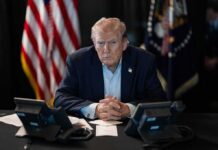
The Situation Room exists for national security crises, not for handling embarrassing files about a disgraced financier. Yet Trump’s aides held multiple meetings there to manage the Epstein fallout.[1] Reporters later learned that some of these meetings happened without Trump in the room.[2] That detail fits a pattern: advisers trying to shield a volatile boss by keeping him away from minute-by-minute panic and messy details he might explode over.
Using the Situation Room this way had two effects. First, it gave aides a place where phones and outside devices were locked down, which cut the risk of real-time leaks. Second, it let them feel like they were doing something serious and controlled while the story spun outside. From a conservative, common-sense view, this looks less like deep state plotting and more like staffers trying to keep chaos from getting worse, using the only tools they trusted.
Where The Fear Of Tapes Came From
The fear that reporters had tapes did not come out of thin air. Former Trump aide Omarosa Manigault Newman had already admitted she secretly recorded a conversation inside the Situation Room and then released it. That stunt shocked many in Washington and raised real worries inside the White House about how easy it might be to walk a recording into the most secure space in government. Once you know one person did it, you never quite relax again.
So is the book is accurate?
Scoop: Trump aides fear Haberman and Swan obtained Situation Room tapes for "Regime Change" https://t.co/WTawgxTQMf— ken benson Shah of Greater Idaho🤠🏁 (@borntoraisehogs) June 14, 2026
Fast forward to the Epstein crisis, and to Maggie Haberman and Jonathan Swan digging for their book. An Axios report on “Regime Change” says senior aides later told the authors they were “afraid some of our most sensitive conversations were being recorded.”[5] That is the key line: afraid. Not “we know,” not “we heard a tape,” but fear that someone in their own ranks had flipped on a recorder and might have handed the material to the press.
What “Regime Change” Actually Says – And Does Not Say
The public reporting based on “Regime Change” paints a picture of a West Wing on edge, holding repeated Situation Room sessions over the Epstein files and other crises.[1] The authors describe how Trump’s advisers gathered there in secret, wrestling with how to contain the damage and how to manage a president who often wanted problems buried, not explained.[2] That part is detailed and sourced. It fits what many other accounts have said about the culture of fear and loyalty tests in that White House.
What the available reporting does not show is proof that Haberman or Swan ever held Situation Room audio. The Axios scoop focuses on the aides’ own fear that their conversations “were being recorded,” not on any confirmation from the journalists.[5] That difference matters. From a fact-based, conservative standpoint, fear is not evidence. Aides had reason to be jumpy after the Omarosa tape, but jumpy staff and hard-hitting reporters do not automatically equal a national security breach.
Leaks, The Press, And The Cost Of Governing In Fear
This episode fits a long-running tug-of-war between political staff and the press. Serious reporters chase sources inside the building. Ambitious staffers leak to protect themselves or to hurt rivals. The result is a constant low-level civil war of whispers and stories. In the Trump era, that war turned into a daily firefight, because the president’s own style fed paranoia about “traitors” on the inside and “fake news” on the outside.
From a common-sense conservative view, two truths can sit side by side. Secret recordings in a secure facility are a real problem and should be punished. National security spaces should never become stages for book research or political spin. At the same time, political aides cannot treat every tough story as proof of spying. If they govern in fear of reporters instead of fear of bad decisions, they will keep hiding in secure rooms while trust in institutions keeps eroding.
Sources:
[1] Web – ‘We’re Afraid’: Top Trump Aides Reportedly Think Maggie Haberman and …
[2] Web – White House exploring legal options against Omarosa Manigault …
[5] Web – The Situation Room is for national security crises, but the Trump …
© featuredheadlines.com 2026. All rights reserved.