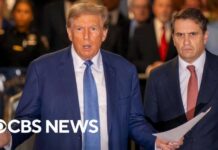
President Trump’s unprecedented move to secure a 10% U.S. government stake in Intel has ignited debate over national security, government power, and the future of American industry.
Story Highlights
- The U.S. government now holds a 10% equity stake in Intel, valued at $11 billion, using existing grants and investments.
- This marks the first time the federal government has taken direct ownership in a leading semiconductor firm without assuming operational control.
- The move is designed to strengthen domestic chip manufacturing, reduce dependence on foreign supply chains, and bolster national security.
- Conservatives celebrate the deal’s cost-effectiveness and its focus on American jobs, while critics raise concerns over increased government intervention in private industry.
Trump’s Intel Deal: A New Era for American Manufacturing
On August 22, 2025, President Trump and Intel announced a landmark agreement: the U.S. government would acquire a 10% equity stake in the tech giant by reallocating $8.9 billion in already-awarded grants and investments. Unlike past government interventions that ballooned the deficit, this stake was secured without new taxpayer spending. The deal targets a core conservative concern—restoring American control over critical technology—while sidestepping the fiscal irresponsibility that frustrated voters during previous leftist administrations.
Trump publicly defended the deal on August 25, highlighting its strategic value: “I PAID ZERO FOR INTEL, IT IS WORTH APPROXIMATELY 11 BILLION DOLLARS.” The administration clarified that the government will be a passive investor—no board seat, no governance rights—ensuring Intel retains operational freedom. White House advisors have signaled that similar deals could be pursued in other sectors vital to national security, reflecting a shift from the globalist, hands-off policies of the past to a muscular, America-first industrial strategy.
Securing the U.S. Chip Supply: Strategic Context and Motivations
The U.S. has faced mounting threats from foreign adversaries, persistent chip shortages, and the vulnerabilities of globalized supply chains. Previous policies left America exposed, as reliance on overseas manufacturing created risks for the economy and national defense. The CHIPS Act of 2022 was an early response, but the Trump-Intel agreement marks a new level of commitment to domestic production. Intel, the only U.S. company leading in advanced chip research and manufacturing, is now tasked with expanding its American footprint. This deal comes amid fierce competition with China and efforts to ensure the Department of Defense has secure access to next-generation semiconductors.
For conservatives, the arrangement represents a sharp break from the “woke,” globalist approaches that often prioritized foreign interests or red tape over American security and jobs. Trump’s team frames the move as both a victory for constitutional principles—by avoiding direct government control—and a practical solution to the failures of bureaucratic overreach seen in past years.
Winners, Critics, and the Road Ahead
Intel’s stock surged 28% in August, signaling market confidence. Shareholders and American workers stand to benefit from renewed investment and job creation. National security officials welcome the government’s enhanced leverage over a vital supply chain, while economic advisors float the possibility of extending this model to other critical industries like energy and defense.
Yet, critics argue that government equity stakes could open the door to future overreach. Some warn of potential market distortions or threats to corporate autonomy, echoing concerns that any expansion of federal power—even in the name of national interest—must be carefully monitored. Others, however, point out the passive nature of the government’s role and the deal’s reliance on existing funds as evidence that conservative values are being upheld: limited government, fiscal responsibility, and a laser focus on American prosperity and security.
🚨💻 Trump Announces U.S. Stake in Intel | Washington, D.C. | Aug 22, 2025 (UTC)
Trump says America now owns 10% of Intel — worth $11B — at no cost.
But a Senate letter shows deep security concerns over Intel’s new CEO and China ties.What’s New
•🕑 Announcement dropped Aug… https://t.co/kwhLRSNOQ2— Gunnys Adventures (@DerrickSalas9) August 23, 2025
As the Trump administration signals openness to similar arrangements in other sectors, the Intel deal stands as a test case—one that may inspire copycats or fuel debate over where to draw the line between safeguarding American interests and preserving the freedom of private enterprise. For an audience wary of government excess but determined to restore American greatness, this deal offers both reassurance and a preview of battles yet to come.
Sources:
Trump defends $11B Intel stake, says he’ll ‘make deals like this all day long’
Intel and Trump Administration Reach Historic Agreement