
featuredheadlines.com — The price of your Memorial Day burger is being set less by the holiday and more by a years-long cattle squeeze that is finally showing up at the checkout lane.
Story Snapshot
- U.S. cattle numbers have fallen to the lowest level in roughly three-quarters of a century, tightening beef supply.
- Retail beef prices are near or at record highs just as families fire up the grill for Memorial Day.
- Ranchers blame drought, higher input costs, and market concentration among a handful of meatpackers.
- Strong American demand means shoppers grumble, but most still toss steaks and burgers into the cart.
Why Your Burger Suddenly Costs Like a Steak
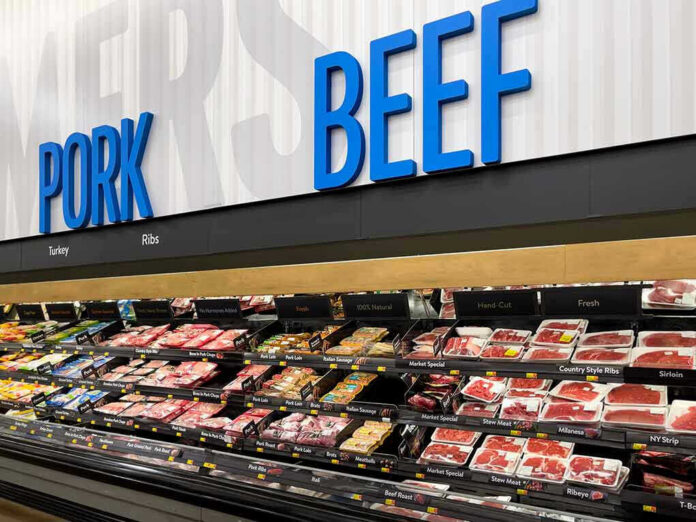
Grocery shoppers walking into meat departments this Memorial Day find something jarring: beef prices that look more like special-occasion splurges than backyard routine. Local reporting from farm states and city stations keeps repeating the same phrase: smallest cattle herd in decades, even roughly seventy-five years, and that long slide in cattle numbers is finally colliding with our stubborn appetite for meat.[1] Memorial Day simply exposes the problem because everyone notices at once when the grill comes out.
Reports of record-high or near-record-high prices show up across the map. One Kansas City station cites U.S. Department of Agriculture retail data putting average beef close to ten dollars a pound, up roughly thirteen percent from a year ago.[1] Consumer-focused coverage describes Memorial Day cookout shoppers facing sticker shock but still loading up on ground beef, steaks, and brats because, as one grocer put it, meat is “still the main event” when Americans gather to grill.[3] People complain, but they are not switching en masse to chickpeas.
The Long Drought Behind a Short Holiday Spike
Ranchers and farm groups describe a multi-year story that sounds nothing like a weekend blip. Drought baked pastures across major cattle states, forcing producers to sell cows early because there simply was not enough grass or affordable feed to keep them.[1] When herds shrink, fewer calves are born in subsequent years, and the entire supply chain tightens. That biological lag means decisions made when you barely remember last Thanksgiving are shaping what you pay for ribeye this Memorial Day.
Farm voices also point to input costs that quietly reset the economics of raising beef. Feed, fuel, fertilizer, and borrowing costs all climbed over the last several years, squeezing margins for smaller operators.[1][3] Some producers exited entirely; others chose to cash in animals earlier rather than gamble on another expensive winter. From a conservative, common-sense perspective, this is exactly what markets do when policy and inflation push costs higher: marginal producers disappear, supply contracts, and the remaining product becomes more expensive for everyone else.
When Four Companies Sit Between the Ranch and Your Grill
Cable business coverage digs into a factor that makes consumers especially suspicious: concentration in meatpacking. Analysts describe a handful of giant processors controlling the bulk of beef slaughter and packing, leaving ranchers with few bidders for their cattle and consumers with few true competitors in the meat case. Interviews with farm leaders claim those middle companies exert outsized control over what farmers receive and what you pay, capturing a big slice of the spread between live cattle prices and retail beef.[2]
Some large packers have already settled lawsuits over past allegations of restricting supply to raise prices, which makes shoppers understandably skeptical when they now hear that “market forces” alone explain record-high beef. A prudent, right-of-center view does not assume every corporation is guilty, but it also does not hand them a halo. The combination of government-driven cost pressures and concentrated corporate power is the worst of both worlds: fewer independent producers, less real competition, and a family that suddenly needs a budget meeting before buying T-bones.
Why Americans Grumble but Still Buy the Beef
Consumer reports ahead of the holiday show a pattern that would puzzle a textbook economist but makes perfect sense culturally. Surveys and on-the-ground interviews show shoppers noticing the price hikes, adjusting other items in the cart, yet refusing to let beef leave the menu entirely.[1][3] People trade ribeye for cheaper sirloin, stretch chili with beans, or choose smaller steaks, but the core preference for beef at the center of the plate remains stubbornly strong.
Imagine thinking you’re getting a cheap steak this summer. Beef prices rise as cattle supply declines to a 75-year low, and your wallet is about to pay for it. 🥩
— Goodness And Mercy (@FineAndRich) May 23, 2026
That resilient demand gives the whole system its current shape: tight supply, high packer leverage, and households culturally committed to burgers and steaks. That is why blaming Memorial Day for price spikes misses the point. The holiday just turns on the stadium lights. The real game is a years-long contraction in cattle herds mixed with policy, cost, and market-structure choices. If Americans want lower beef prices again, the answer is not skipping one weekend’s cookout; it is rebuilding the herd, reining in inflationary policy, and insisting on real competition between the ranch and the register.
Sources:
[1] YouTube – Beef prices reach record highs before Memorial Day weekend
[2] YouTube – Beef prices hit all-time highs ahead of Memorial Day
[3] Web – Beef prices soar as Americans prepare for Memorial Day cookouts
© featuredheadlines.com 2026. All rights reserved.