A quick slap at Wrigley Field turned a quiet anthem into a national argument about respect, rights, and the line between manners and the law.
Story Snapshot
- Video shows an older fan telling a younger man to stand for the anthem, then slapping his head.
- The younger man stood right after the slap and stayed up through the song.
- Chicago Police said they know about the clip but have no report and took no action.
- Legal definitions say unwanted hitting can be battery, even during the anthem.
What the video shows and what people saw
The clip captures an older fan ordering a younger man to “get up” during The Star-Spangled Banner, then smacking the back of his head when he stays seated. The younger man rises and remains standing until the anthem ends. Onlookers react, with at least one person appearing to object to the strike. The older fan’s words and the younger man’s response are on tape. Motive for sitting is not. No injury is shown, and no identities are confirmed in reporting so far.
Commenters split fast. Some call the slap a nudge toward basic respect. Others call it plain assault. The split mirrors a bigger culture fight: whether patriotism is taught by example or enforced by force. Supporters argue ballparks are shared rituals where standing is simple courtesy. Critics counter that touching a stranger crosses a bright line, regardless of cause. The exchange became a Rorschach test where many saw their values, not just the facts.
What the law actually says about a slap
Law is colder than culture. The Legal Information Institute defines battery as intentional, unwanted, and offensive contact. A smack to the head fits that box unless there is consent or a valid defense. No one has offered either here. That does not guarantee a charge or a case. It does set the standard. Feelings about the flag do not change the elements of the offense. Rights protect speech and silence, not the right to lay hands on someone.
Chicago Police Department told outlets they are aware of the video and have no report on file. Without a complainant, police do not act. That is not a green light for vigilante etiquette. It is simple procedure. No report means no paper trail, no names, and no formal finding about who did what before the camera rolled. If a report lands, video, witness accounts, and security footage could fill gaps that comments cannot.
The anthem, the ballpark, and the unwritten rules
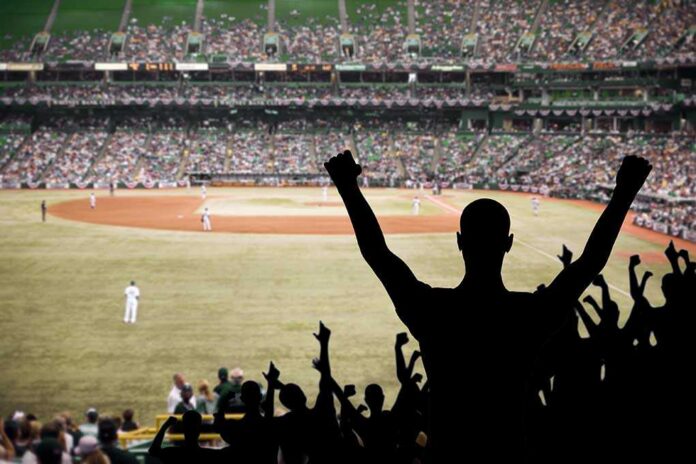
American sports wrap the anthem into the pregame like peanut shells in the aisles. There is custom, not a mandate. Many stand out of respect. Some sit or kneel to protest, to rest, or due to health. That mix has a long history and grew louder after 2016. Stadium guides, including at Wrigley, do not grant fans the authority to police other fans with force. Ushers and security exist for a reason, and removal, not hitting, is the venue’s tool.
Conservatives often stress order, duty, and respect for tradition. Those values thrive when taught, not when shoved. The older fan’s demand aligned with a common cultural norm. The slap did not. It undercut the message by breaking the very standard conservatives defend: personal responsibility under the law. If the goal is to model honor for the flag, the better course is to stand tall, sing loud, and let security handle disputes.
What we still do not know—and why it matters
Key blanks remain. We do not know why the younger man sat. Injury, protest, or simple distraction would change how many see the clip, though not the legal test. We do not know if the older fan regrets his choice or would do it again. We do not know if anyone filed a report after the game. These facts decide not only public judgment but also whether the state ever weighs in with charges or a no-action closeout.
🚨 WRIGLEY FIELD INCIDENT!
A fan at a Chicago Cubs game was struck in the back of the head after refusing to stand for the US national anthem, igniting a massive debate online over patriotism vs. assault. Was this out of line? ⚾🇺🇸 pic.twitter.com/cu7HGlG5Qm
— Impact Index Daily (@IndexImpact) July 21, 2026
If a complaint appears, expect requests for full-angle stadium footage, statements from nearby fans, and possibly a face-to-face interview with both men. That record would either anchor a simple battery case or frame the moment as a heated, isolated lapse with no lasting harm. Until then, the video stands as both evidence and mirror. It shows a slap. It reflects our split over how far one person can go to demand another’s respect for the flag.
Sources:
redstate.com, dailymail.com, tmz.com, yardbarker.com, facebook.com, nypost.com, espn.com, mlb.com
© featuredheadlines.com 2026. All rights reserved.