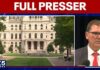
Philadelphia’s top prosecutor said “we’re gonna blow it up” about the White House ballroom, and the fight now is over whether he meant a bomb or a ballot box.
Story Highlights
- Larry Krasner said the White House ballroom would be “blown up” during a public speech.
- He framed it as an “official ceremony” years from now, not a call to attack.
- He joked about keeping a piece as a paperweight and paying back taxpayers.
- The line split viewers: literal threat or loud political hyperbole.
What Krasner Said, Where He Said It, And Why It Landed Like A Grenade
Philadelphia District Attorney Larry Krasner spoke at the President’s House event in Old City and tore into President Trump’s new White House ballroom project. He said Trump is a “pain in the ass,” then promised a future where “we all” smile, keep pieces of the ballroom as paperweights, and “blow it up” in an “official ceremony” that would repay taxpayers by selling the debris. A video clip shows him saying “after we all blow it up,” which fueled a fast backlash and louder defenses.
Critics seized on the short phrase, “we’re gonna blow it up,” as proof of violent intent toward federal property and the presidency. Supporters pointed to the rest of the sentence and the time frame. They said this was political theater about undoing a past administration’s pet project after an election, not a plan to bomb anything. The clash shows how a three-second clip can crush context and push people to pick sides fast.
The Line Between Rhetoric And Threat, In Plain English
American law and custom draw a line between heated talk and true threats. Courts often treat “rhetorical hyperbole” as protected speech when a typical listener knows it is exaggeration, not a command to act. That fits phrases like “blow it up” used to mean “tear it down and start fresh” in a legal process, such as a voted change or a formal demolition after a new administration takes office. Still, the same words can sound like a threat when stripped of timing and context.
Researchers who study political language say leaders use big claims and dramatic images to rally crowds. They mix promises with shock value. That style grabs attention and gives wiggle room later. It is common across parties and media. It can shape how people feel about what is normal or justified. But it also makes clips easier to twist and harder to explain once they go viral. A wise public figure knows that cameras never include footnotes.
What Reasonable People Can Infer From The Record
The best reading of the full remarks is future, formal, and symbolic. Krasner talked about ten to fifteen years from now, about an “official ceremony,” and about selling souvenir pieces “to pay back the taxpayers”. That sounds like rhetoric about a post-election change and a legal teardown, not a bomb plot. The video supports this reading by pairing the “blow it up” line with the larger event speech, not a secret plan. Calling it a literal terror threat stretches the record beyond what it shows.
Philadelphia DA Larry Krasner is facing backlash after saying he wants to “blow up” the White House ballroom and keep a piece of it as a paperweight on his desk.
The remark is drawing criticism over the rhetoric and its reference to destroying part of the White House.
Photo via… pic.twitter.com/97VWMBRMly
— TalkRadio 77 WABC (@77WABCradio) August 26, 2026
American conservative values prize law and order, clear speech, and respect for institutions. On those terms, two things can be true at once. First, no public official should sling phrases that can be chopped into “we’re gonna blow it up” when the target is a federal building. That is reckless talk. Second, the full context here points to hard-nosed political showmanship, not instructions to commit a crime. Voters should demand precise words from leaders so enemies cannot twist them.
Why This Moment Matters Beyond One Ballroom
Speech now lives as micro-clips watched on phones with the sound off. Ambiguous shock lines are gasoline in that world. A three-word jab can nuke a week of careful policy talk. The fix is simple, not easy: speak as if your least charitable critic will cut your line at the comma. Say “dismantle by law” instead of “blow it up.” Keep the heat on ideas, not images of destruction. That protects free speech and public trust at the same time.
Sources:
twitchy.com, nbcphiladelphia.com, youtube.com, facebook.com, dailywire.com, yahoo.com
© featuredheadlines.com 2026. All rights reserved.