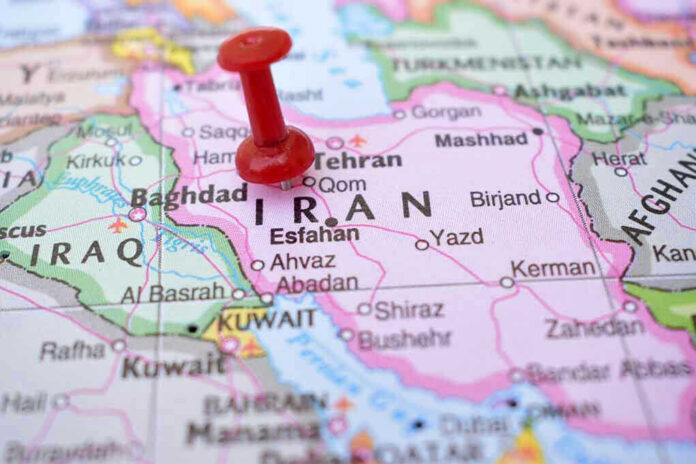
Iran’s sweeping crackdown on alleged Mossad operatives signals a dangerous escalation in Middle East espionage—and a stark warning for those who value national sovereignty and constitutional rights.
Story Snapshot
- Iran arrested 20 individuals accused of spying for Israel’s Mossad, vowing severe punishment.
- These arrests follow a series of executions, including a nuclear scientist, intensifying regional tensions.
- The crackdown comes after a devastating conflict with Israel and mounting domestic instability in Iran.
- Experts warn of rising political repression and the erosion of fair judicial standards under the Iranian regime.
Iran’s Crackdown on Alleged Mossad Agents: What Happened?
In August 2025, Iran’s judiciary publicly announced the arrest of 20 individuals accused of working as operatives for Israel’s Mossad intelligence agency. The suspects, detained over recent months, face allegations of espionage and sabotage targeting Iran’s critical nuclear and military infrastructure. Officials declared that those convicted would receive no leniency, with the judiciary vowing to make harsh examples of them to deter foreign intelligence operations. Some detainees have reportedly had charges dropped and were released, but the majority remain under investigation as authorities pursue aggressive counterintelligence measures.
This wave of arrests comes on the heels of the execution of Rouzbeh Vadi, an Iranian nuclear scientist convicted of spying for Israel. His execution, carried out on August 6, punctuates a series of similar actions by the Iranian government in response to a summer marked by military conflict. Just weeks earlier, Israeli airstrikes had killed another prominent scientist and inflicted substantial damage on Iran’s nuclear program, magnifying Tehran’s sense of vulnerability and urgency to clamp down on suspected espionage networks. These developments have put ordinary Iranians and the international community on high alert regarding the regime’s willingness to use capital punishment as a tool of deterrence and control.
Espionage, Power, and Political Messaging in Iran
Iran’s leadership is leveraging these high-profile arrests and executions to send an unmistakable signal to both domestic and foreign audiences. The Iranian judiciary, led by spokesperson Asghar Jahangiri, has made public statements promising to “make an example of them all,” aiming to showcase the regime’s resolve in defending national security and deterring further infiltration by Israel’s Mossad. This campaign is not new—Tehran has a documented history of periodic spy ring busts and publicized executions—but this year’s surge stands out for its scale and its timing, coming directly after Iran’s costly confrontation with Israel and amid ongoing economic hardship and energy shortages at home.
The regime’s messaging is intended to rally public support, project strength, and distract from mounting domestic challenges. Iran’s population faces severe international sanctions, high unemployment, and growing fear as security crackdowns escalate. The government’s response—swift arrests, secretive trials, and executions—raises serious questions about judicial fairness, due process, and the use of state power to suppress dissent. Analysts warn that such measures often follow military defeats or security breaches, serving to reassert control and intimidate both actual adversaries and the broader public.
Regional Fallout and Broader Implications
The broader impact of Iran’s crackdown reverberates across the Middle East and into global security circles. By dramatically increasing executions and detentions for alleged espionage, Tehran is heightening an already volatile intelligence war with Israel, risking further covert operations, reprisals, and instability in the region. For Iran’s scientific and academic community—especially those involved in nuclear research—the arrests have created an atmosphere of suspicion and fear, disrupting vital projects and causing a loss of expertise. The international response has been cautious, with many observers expressing concern over the lack of transparency, unspecified numbers of suspects released, and the secretive nature of the investigations.
For Americans who cherish constitutional rights and common sense justice, Iran’s approach stands as a cautionary example of what unchecked government power can look like. The erosion of due process, secretive detentions, and politically motivated prosecutions should remind us to be vigilant in defending our own freedoms at home—especially as the world’s authoritarian regimes grow bolder in projecting their models of control. While Iran’s regime frames its actions as necessary for national security, the consequences for individual liberty, rule of law, and regional stability are profound—and serve as a stark warning for those who value open societies and limited government.
Expert Perspectives and Unanswered Questions
Industry analysts and regional experts agree that the surge in arrests and executions reflects a regime under pressure, reacting to military setbacks and perceived infiltration by hostile intelligence agencies. Scholars of Middle Eastern affairs note that such crackdowns are often used to consolidate power at home and project deterrence abroad, even at the cost of international condemnation and internal repression. Nonetheless, questions remain about the evidence against the accused, the transparency of the Iranian judicial process, and the fate of those who have been released without charges. With investigations ongoing and details tightly controlled by authorities, the true extent of Iran’s internal security campaign—and its implications for regional peace—remains uncertain.
As events develop, observers and policymakers alike will be watching for further signs of escalation, potential retaliatory moves by Israel, and the broader impact on Middle Eastern stability. The Iranian regime’s actions offer a stark illustration of how authoritarian governments respond to security crises—and underline the importance of constitutional safeguards and transparent justice systems for all who value freedom and the rule of law.
Sources:
Iran Arrests 20 Suspected Mossad Operatives, Vows Harsh Punishment
No leniency: Iran announces arrest of 20 Zionist agents
Iran arrests 20 alleged spies of Israel