

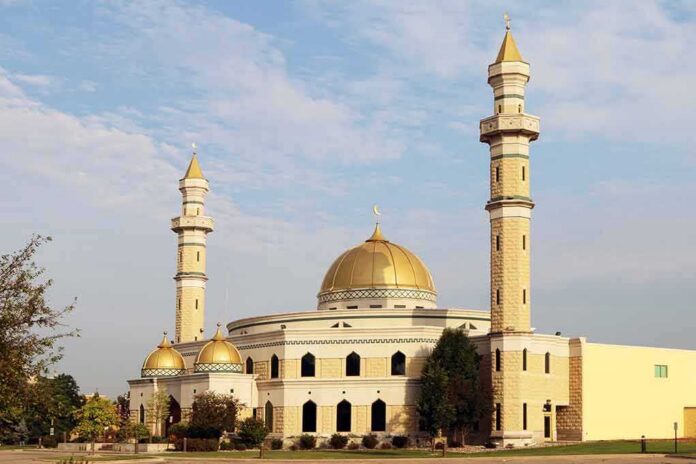
Warren’s fight is not about faith on paper—it’s about cars, curbs, and who gets heard at city hall.
Story Snapshot
- Residents say Muslim gatherings bring clogged streets, blocked driveways, and noise.
- City leaders and police dispute broad claims and point to ordinances and past checks.
- The dispute tracks a national pattern: land-use fights mask identity tension.
- Fixes exist: enforce neutral rules, set traffic plans, and keep two-way talk open.
What Residents Say Is Changing On Their Block
Residents in Warren, Michigan describe a steady change tied to Muslim holidays and Friday prayers. They report cars lining both sides of narrow streets. They say some drivers block driveways and park on lawns. They describe daytime noise and a feeling that normal order has slipped. Several told a national outlet they feel pushed out of their own neighborhood and ignored when they complain to the city and police. These claims come with clear asks: tickets, towing, and a plan.
Neighbors frame their grievance in simple terms most working families know well: access to their homes, safety for kids on bikes, and sleep during odd-hour events. They argue the city should apply the same rules to everyone, regardless of faith or culture. They cite the risk of blocked fire routes and the strain on aging streets. They also say quick bursts of crowd noise feel louder in tight blocks with small front yards and older housing stock.
What City Hall And Police Have Put On The Record
Mayor Lori Stone’s office says it takes resident concerns seriously and works to solve problems. The mayor also says many complaints shared with the press lack dates, times, and addresses, which limits what staff can verify or fix. The Warren Police Department says it treats parking and noise complaints the same across the city. Officers say the last call they handled in the area was in March, and when they checked before, cars were parked legally despite high volume.
Police also note most reported noise tied to these gatherings happens during the day. The city’s general ordinance bans excessive noise between 10:00 p.m. and 8:00 a.m. in residential areas and on public streets, so daytime activity often falls outside that rule. Warren’s code also addresses certain amplified vehicle music at other times, but the anchor quiet hours remain the 10 p.m. to 8 a.m. window. The department adds it has received no order to exempt any area from enforcement.
How Warren’s Dispute Fits A Wider American Pattern
This clash tracks a common pattern seen in mosque disputes nationwide. Neighbors often voice objections in land-use terms—traffic, parking, noise, and property values—because those claims sit inside neutral law and code. Research groups have documented cases where residents even set up chairs and cameras to count cars and congregants at pre-dawn prayers and to log noise episodes, turning identity tension into planning talk. City desks then face a zoning-and-ordinance problem, not a theology debate.
Warren has walked parts of this path before. Years ago, a planning fight in the city featured loudspeaker, parking, and traffic concerns on the record. More recently, a local zoning body denied a request for two 35-foot minarets after neighbors raised parking and safety issues, again invoking neutral impacts rather than faith claims. None of this proves or disproves today’s parking and noise complaints. It shows the road map many towns follow when religion and land use collide.
What Works: Clear Rules, Equal Treatment, Practical Fixes
City leaders should publish a simple, event-day traffic and parking plan for large gatherings, with cones, crossing points, and overflow lots. Houses near the site should receive door-hanger notices with dates, times, and contact numbers. Police should run targeted enforcement during peak windows and log each action in a public dashboard. If a driveway is blocked, tow. If cars line both sides to the point of hazard, ticket and restrict one side for safety.
Mosque leaders should match that with volunteer marshals, leased lots for overflow, and text alerts that steer drivers to legal spaces. A monthly meeting with neighbors can surface frictions early and keep trust. None of these steps pick sides. They honor the Warren code on quiet hours and safety while respecting the right to gather and worship. That balance reflects American common sense: one set of rules, applied fairly, with room for faith and room to park.
Sources:
facebook.com, foxnews.com, cair.com, cbsnews.com, ispu.org, clickondetroit.com
© featuredheadlines.com 2026. All rights reserved.