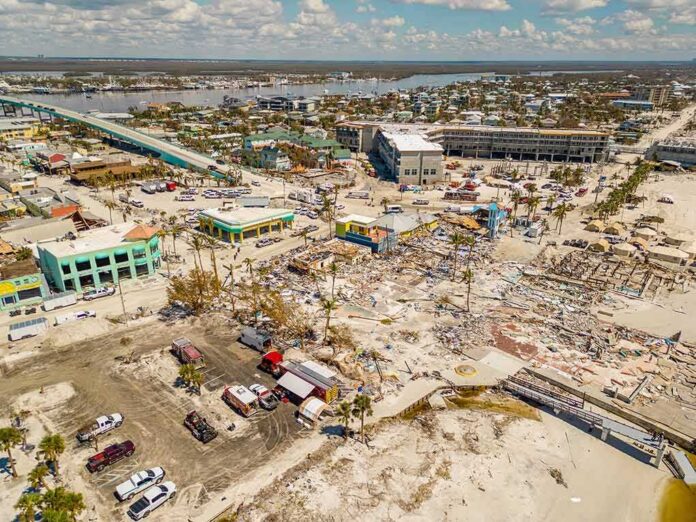
A fast-forming nor’easter turned New York City’s weekend into a life-or-death stress test of coastal risk, power grids, and plain old common sense.
At a Glance
- One person died in Brooklyn after a tree fell during the storm.
- Tens of thousands lost power across New York, New Jersey, and Connecticut.
- National Weather Service warned of widespread coastal flooding and high winds.
- Officials urged limited travel and beach closures as conditions worsened.
Early Warnings Gave Clear Signals, Then The Storm Delivered
National Weather Service forecasters called this early-season nor’easter days ahead, flagging strong winds, heavy rain, and coastal flooding through the weekend. The office in New York issued wind advisories and storm warnings over the waters, then expanded them as confidence rose in a long-duration hit. Those alerts were not hedged. They said to expect flooding across multiple tide cycles and winds stout enough to down limbs and power lines. That is what the region got.
City and state officials moved to blunt the damage. New York City Emergency Management issued a travel advisory spanning Friday through Sunday morning. Beaches were closed. The governor declared a state of emergency for key downstate counties, citing dangerous coastal flooding and strong winds. These steps were basic storm hygiene: keep people off surf-battered beaches, reduce traffic in flood-prone zones, and prepare crews for outages and debris.
One Fatality And Widespread Outages Mark A Brutal Saturday
A man in Brooklyn died after a tree fell during the height of the wind and rain. First responders took him to a nearby hospital, where he was pronounced dead. Power problems stacked up across the region as trees and saturated soil gave way. Tens of thousands of customers in New York, New Jersey, and Connecticut lost electricity at different points on Saturday, with utilities rotating crews to restore service as weather allowed. That toll often rises and falls through a storm cycle.
Downed branches, pooling water, and salt spray forced transport slowdowns and bridge restrictions as gusts ramped up. Forecast offices and local media tracked rain bands and coastal surges pushing repeatedly over bulkheads and into low streets. The New York Times and other outlets emphasized heavy rain totals and the risk of local flash flooding and tidal backflow along the shorelines and bays. These are the gears of a nor’easter: wind, water, and time spent grinding the same spots.
Why Nor’easters Break Things: The Power Grid Meets Tree Roots And Tides
Outage patterns in the United States follow extreme weather like iron filings to a magnet. Research shows most long outages come with major weather events, and the odds jump even higher when several hazards stack on the same day. That is what a nor’easter does. It layers wind on saturated ground, lifts tides over sea walls, and works the grid hard with salt, debris, and strain. When warnings say “prolonged,” utilities hear “damage over multiple rounds.”
US Nor Easter Live updates via New York Times: High winds and exceptionally high tides 🌊caused flooding ⚠️in low-lying areas along Jersey Shore and in some coastal parts of NYC🗽, submerging streets, cars and first floors of some buildings. https://t.co/PagvTDyUrU #climate #News pic.twitter.com/P6CHGQ2usR
— EnviroEdgeNews (@EnviroEdgeNews) September 26, 2026
For residents, the lesson is not new, but it sticks because it is simple. Move cars off flood-prone blocks before the first tide. Treat any downed line as live. Stay off jetties and seawalls when waves look “Instagram big.” These choices match the values that keep neighborhoods strong: take responsibility, heed clear warnings, and help the next person dig out. Officials were blunt before this storm, and the outcome—one life lost, many without power—shows why straight talk matters.
What Comes Next As Crews Clear Debris And Tides Recede
Cleanup means saws, pumps, and patience. Crews will cut and haul weakened trees that still threaten wires and sidewalks. Inspectors will check bulkheads and dune cuts after repeated high tides. Utilities will chase lingering faults caused by saltwater and wind fatigue. Forecasts suggested the worst would ease by late Sunday, but coastal flooding impacts across the weekend were expected and proved persistent. Restoring rhythm after a nor’easter takes longer than the headlines.
Sources:
nypost.com, weather.gov, forecast.weather.gov, nytimes.com, washingtonpost.com, fox5ny.com, nature.com
© featuredheadlines.com 2026. All rights reserved.